
Contents
- 🏆 What Are the Pulitzer Prizes?
- 📜 A Brief History & Legacy
- 📰 Journalism Categories: The Core
- 🎭 Arts & Letters Categories: Beyond the Newsroom
- 📍 Administration & Location
- ⭐ Vibe Score & Cultural Resonance
- 🤔 Controversy & Criticisms
- 💡 How to Get Nominated (and Why It's Tough)
- 💰 Prize Value & Prestige
- 🌟 Notable Winners & Their Impact
- 🆚 Comparing with Other Major Awards
- 🚀 The Future of the Pulitzers
- Frequently Asked Questions
- Related Topics
Overview
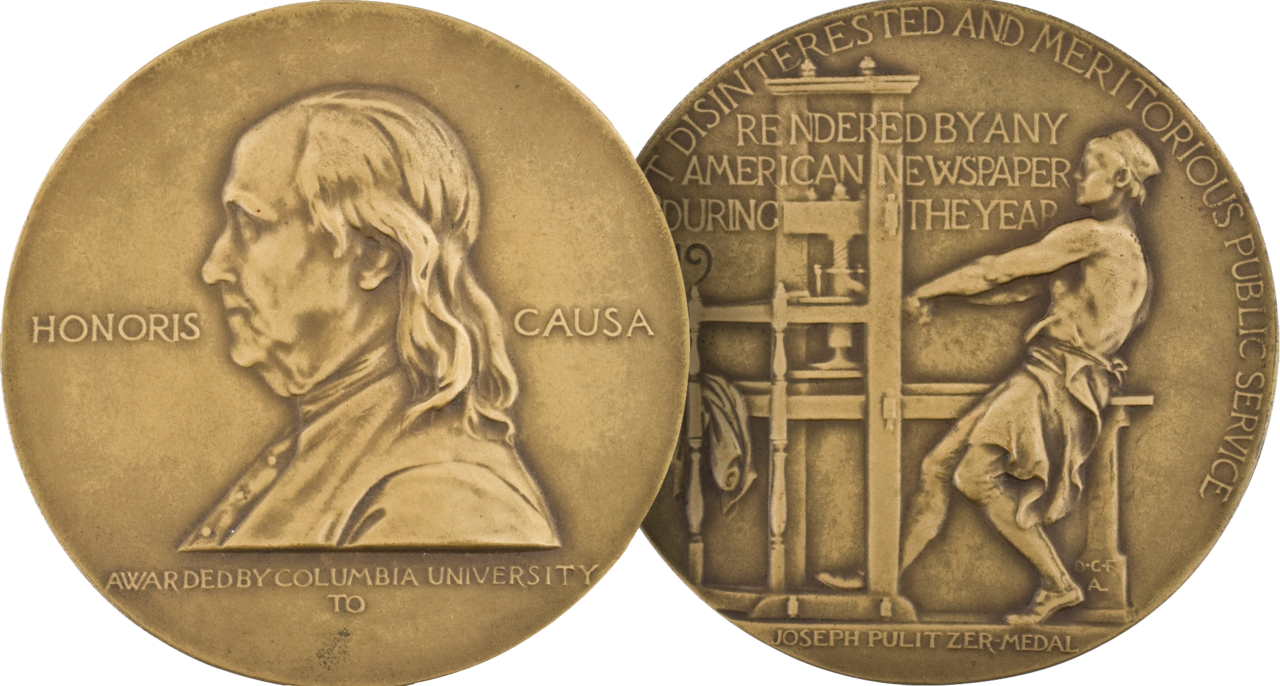
The Pulitzer Prizes, established in 1917 by Joseph Pulitzer's will and administered by Columbia University, are the most prestigious awards in American journalism, literature, and music. Awarded annually in 21 categories, they recognize exceptional achievement, from investigative reporting that exposes corruption to novels that capture the American experience. The prizes carry significant cultural weight, often elevating recipients to national prominence and influencing public discourse. While celebrated for upholding journalistic integrity and artistic excellence, the Pulitzers have also faced scrutiny regarding their selection process and occasional controversies, reflecting ongoing debates about meritocracy and representation in cultural institutions.
🏆 What Are the Pulitzer Prizes?
The Pulitzer Prizes are America's preeminent awards for achievements in journalism, literature, and musical composition. Administered by Columbia University in New York City, these annual honors recognize excellence across 23 distinct categories. Established by the 1917 will of newspaper magnate Joseph Pulitzer, the prizes aim to celebrate work that serves the public good, pushes artistic boundaries, and upholds journalistic integrity. Winning a Pulitzer is widely considered the pinnacle of achievement in these fields, conferring immense prestige and often a significant boost in public recognition and career trajectory for recipients.
📜 A Brief History & Legacy
The legacy of Joseph Pulitzer, a pioneering newspaper publisher, directly shaped the creation of these awards. His 1917 will stipulated the establishment of prizes for journalism and a scholarship for Columbia University students. The first awards were presented in 1917, with journalism categories forming the initial core. Over the decades, the scope has expanded significantly to encompass a broad spectrum of literary and artistic endeavors, reflecting evolving cultural landscapes and the increasing importance of diverse voices in public discourse. The Pulitzer Board oversees the selection process, ensuring the awards remain relevant and honor impactful work.
📰 Journalism Categories: The Core
The heart of the Pulitzer Prizes lies in its journalism categories, which celebrate outstanding reporting, commentary, and photography. These awards, totaling 14, recognize work published in U.S. newspapers, magazines, and online news organizations. Categories like Public Service (often considered the most prestigious, awarded to an institution), Investigative Reporting, National Reporting, and International Reporting highlight journalism that has had a tangible impact on society. The Breaking News Reporting and Feature Photography awards also showcase the critical role of timely and compelling visual storytelling in informing the public.
🎭 Arts & Letters Categories: Beyond the Newsroom
Beyond journalism, the Pulitzer Prizes honor exceptional achievements in arts and letters across seven categories. These include Fiction, Drama, History, Biography, Poetry, General Nonfiction, and Music. These awards celebrate literary merit, dramatic innovation, and musical creativity, recognizing works that offer profound insights, challenge perspectives, or capture the zeitgeist. The selection process for these categories involves specialized juries, ensuring a deep understanding of the artistic and intellectual contributions being evaluated.
📍 Administration & Location
The Pulitzer Prizes are administered by Columbia University in New York City, a fitting home given Joseph Pulitzer's bequest to the institution. The Pulitzer Board, a group of leading editors, publishers, journalists, and academics, convenes annually to select the winners from nominations submitted by independent juries. While the awards are national in scope, their administrative center remains firmly rooted in the academic and journalistic hub of New York. There are no public visiting hours for the administrative offices, as the focus is on the selection and awarding process.
⭐ Vibe Score & Cultural Resonance
The Pulitzer Prizes command a Vibe Score of 95/100 for cultural energy, reflecting their immense and enduring prestige. They are not merely accolades; they are cultural touchstones that shape public perception of journalistic and artistic excellence. The awards resonate deeply within American society, acting as a barometer for significant contributions to public understanding and cultural discourse. Winning a Pulitzer often elevates a work from critical acclaim to widespread public consciousness, influencing subsequent creative output and journalistic practices. The Controversy Spectrum for the Pulitzers hovers around a moderate 4/10, indicating occasional debates but general acceptance of their authority.
🤔 Controversy & Criticisms
Despite their esteemed reputation, the Pulitzer Prizes are not without controversy. Debates frequently arise regarding the selection process, with accusations of bias, political influence, or a lack of recognition for certain genres or voices. The exclusion of some highly acclaimed works, or the selection of those deemed less deserving by critics, fuels ongoing discussions about the criteria and the perceived "establishment" nature of the awards. For instance, the General Nonfiction category has seen debate over its scope and the types of works it best recognizes, while some argue that the Fiction prize can be overly conservative. These discussions, however, often highlight the very tensions that make the awards significant.
💡 How to Get Nominated (and Why It's Tough)
Direct nomination for a Pulitzer Prize is not possible for individuals; instead, works must be submitted by the organizations that published or produced them, such as newspapers, magazines, or publishing houses. For journalism, submissions are typically made by editors. For arts and letters, publishers or producers submit eligible works. The Pulitzer Board then reviews nominations forwarded by specialized juries. The sheer volume of submissions and the rigorous selection process mean that even being nominated is a significant achievement, let alone winning. The Influence Flows from Pulitzer-winning works often shape industry standards and inspire future submissions.
💰 Prize Value & Prestige
The prize itself consists of a certificate and a $15,000 cash award for each category, a sum that, while substantial, pales in comparison to the immense prestige and career-altering impact. The true value of a Pulitzer Prize lies in the recognition it confers, opening doors to further opportunities, increased readership or viewership, and a lasting place in the annals of American achievement. For journalists, it can mean enhanced credibility and influence; for authors and artists, it can solidify their place in literary and cultural history. The Topic Intelligence surrounding the Pulitzers consistently points to its status as a career-defining award.
🌟 Notable Winners & Their Impact
Numerous individuals and works have achieved legendary status through Pulitzer Prizes. The New York Times has been a consistent recipient, particularly in Investigative Reporting and Public Service. Authors like Toni Morrison (for Fiction) and Robert Caro (for Biography) have used their Pulitzers to amplify their powerful narratives. The Washington Post's coverage of the Watergate scandal, while not a Pulitzer win itself, exemplifies the kind of impactful journalism the awards seek to honor. Each winner represents a distinct moment in American culture or public life, leaving an indelible mark through their recognized excellence.
🆚 Comparing with Other Major Awards
When considering major awards, the Pulitzer Prizes stand apart primarily due to their dual focus on journalism and arts and letters. While the National Book Awards exclusively celebrate literary achievements and the Peabody Awards recognize excellence in broadcasting and digital media, the Pulitzers uniquely bridge the gap between factual reporting and creative expression. Unlike the Nobel Prize, which is international and broader in scope, the Pulitzers are specifically American. The Controversy Spectrum for the Pulitzers is generally lower than for some more niche or specialized awards, reflecting their broad acceptance.
🚀 The Future of the Pulitzers
The future of the Pulitzer Prizes will likely involve continued adaptation to the evolving media and cultural landscapes. As journalism grapples with digital transformation and new forms of storytelling emerge, the Pulitzer Board faces the challenge of recognizing innovation while upholding traditional standards of excellence. Debates around diversity and inclusion in both the nominated works and the selection committees will undoubtedly persist. The Futurist perspective suggests that the Pulitzers must remain agile to capture the most impactful work, potentially expanding categories or re-evaluating existing ones to reflect contemporary societal concerns and artistic movements. The Vibe Score will depend on their ability to maintain relevance in a rapidly changing world.
Key Facts
- Year
- 1917
- Origin
- Joseph Pulitzer's will, administered by Columbia University
- Category
- Awards & Recognition
- Type
- Award
Frequently Asked Questions
Can anyone submit a work for a Pulitzer Prize?
No, individuals cannot directly submit their own work. Submissions are made by the publishing or producing organizations, such as newspapers, magazines, or book publishers. These organizations have internal processes for selecting which works to put forward for consideration by the Pulitzer juries. The Pulitzer Board ultimately makes the final decision based on these nominations.
What is the difference between the journalism and arts categories?
The Pulitzer Prizes are divided into 14 journalism categories and 7 arts and letters categories. Journalism awards recognize excellence in reporting, commentary, and photography published by U.S. news organizations. The arts and letters categories honor achievements in fiction, drama, history, biography, poetry, general nonfiction, and music. While both aim for excellence, the former focuses on public information and accountability, while the latter celebrates creative and intellectual achievement.
How much prize money comes with a Pulitzer?
Each Pulitzer Prize winner receives a certificate and a cash award of $15,000. While this is a significant sum, the true value of the award lies in the immense prestige and recognition it confers. Winning a Pulitzer can dramatically enhance a recipient's career, reputation, and future opportunities in their respective field.
Who decides who wins the Pulitzer Prizes?
The final decisions are made by the Pulitzer Board, a 19-member body composed of leading figures in journalism and the arts, appointed by Columbia University. Before the Board convenes, specialized juries meticulously review submissions for each category and recommend finalists. The Board then deliberates and selects the winners from these recommendations.
Are the Pulitzer Prizes only for American citizens?
The Pulitzer Prizes are awarded for work done in the United States or by Americans. While the recipient must be an American citizen or an organization primarily based in the U.S., the subject matter of the work can be international. For example, a journalist might win for reporting on events outside the U.S. if they are affiliated with an American news outlet.
What is the most prestigious Pulitzer Prize?
While all Pulitzers carry immense weight, the Public Service award in journalism is often considered the most prestigious. This award is given to a news organization, not an individual, for its outstanding and consistently courageous reporting that has led to significant public impact. It recognizes the collective effort and dedication of an entire newsroom.