
Contents
- 💧 What is Rainwater Harvesting?
- 🏠 Who Needs a System?
- 🛠️ System Components & Installation Basics
- 📏 Sizing Your System: How Much Water Can You Catch?
- 💰 Cost Considerations & Potential Savings
- ✅ Permitting & Regulations: Navigating the Red Tape
- 💧 Maintenance & Longevity
- 💡 Advanced Options & Future Trends
- Frequently Asked Questions
- Related Topics
Overview
Installing a rainwater harvesting system is a practical, eco-conscious move that can significantly reduce reliance on municipal water. This process involves capturing precipitation from your roof, directing it through a filtration system, and storing it in a tank for later use. Key components include gutters, downspouts, first-flush diverters, filters, and storage tanks, each playing a crucial role in delivering clean, usable water. The complexity and cost vary based on system size, materials, and local regulations, but the long-term benefits of water conservation and reduced utility bills are substantial. Understanding the local climate, rainfall patterns, and your specific water needs is paramount for designing an effective and efficient system.
💧 What is Rainwater Harvesting?
Rainwater harvesting is the ancient practice of collecting and storing precipitation, primarily from rooftops, for later use. Far from a new-fangled fad, this method boasts a history stretching back millennia, with evidence of sophisticated systems found in ancient civilizations like the Minoans and Nabataeans. Modern systems transform this age-old technique into a sustainable infrastructure solution, reducing reliance on municipal water supplies and mitigating stormwater runoff. It's a direct way to capture a free, renewable resource, turning a potential nuisance into a valuable asset for homes, businesses, and even entire communities. Understanding the fundamental principles is the first step towards harnessing this natural bounty.
🏠 Who Needs a System?
A rainwater harvesting system is ideal for anyone looking to reduce their water bills, increase water independence, or simply live more sustainably. Homeowners in drought-prone regions, particularly those with significant roof surface area, will find it especially beneficial. It's also a smart choice for gardeners who need a consistent, chemical-free water source for irrigation, or for individuals aiming to lower their environmental footprint. Businesses with large roof areas, such as warehouses or manufacturing plants, can achieve substantial savings by implementing commercial-scale systems. Even urban dwellers with limited space can explore smaller, more localized solutions for balcony gardens or specific household needs. Essentially, if you have a roof and a need for water, you're a potential candidate.
🛠️ System Components & Installation Basics
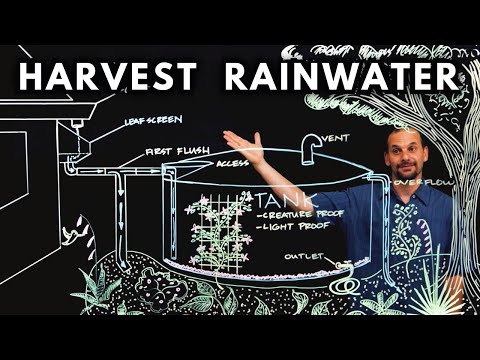
The core components of a typical rainwater harvesting system include a collection surface (usually your roof), gutters and downspouts to channel water, a filtration system to remove debris, and a storage tank. For residential installations, this might involve a simple rain barrel connected to a downspout, or a more complex network of pipes leading to a larger underground cistern. The installation process can range from a DIY weekend project for basic setups to a professional undertaking for larger, integrated systems. Key considerations include ensuring proper slope for gutters, selecting appropriate filter types (e.g., leaf guards, first-flush diverters), and choosing a tank material and location that suits your climate and aesthetic preferences. Professional installation is often recommended for larger systems to ensure safety and compliance.
📏 Sizing Your System: How Much Water Can You Catch?
Determining the right system size hinges on two primary factors: your available roof area and your average annual rainfall. The formula is straightforward: multiply your roof's square footage by your local average rainfall (in inches) and then by a conversion factor (0.623 for gallons per inch of rain). This gives you the theoretical maximum volume of water you can collect. You then need to factor in your water usage needs – whether for irrigation, non-potable household uses, or even potable water with advanced treatment. For instance, a 1,000 sq ft roof in an area receiving 30 inches of rain annually could theoretically capture over 18,000 gallons. Rainfall data for your specific region is crucial for accurate calculations, and many online calculators can assist with this process.
💰 Cost Considerations & Potential Savings
The initial investment for a rainwater harvesting system can vary significantly, from under $100 for a basic rain barrel to several thousand dollars for a comprehensive underground cistern system with pumps and filtration. However, the long-term savings can be substantial, especially in areas with high water rates or frequent watering restrictions. For example, a household that uses 500 gallons of water per week for irrigation could save hundreds, if not thousands, of dollars annually by using harvested rainwater. Government incentives and rebates are increasingly available in many regions, further reducing the upfront cost and improving the return on investment. The payback period depends heavily on local water prices and the scale of your system.
💧 Maintenance & Longevity
Once installed, a rainwater harvesting system requires regular maintenance to ensure optimal performance and water quality. This typically involves cleaning gutters and downspouts at least twice a year to remove debris, inspecting and cleaning filters, and checking the storage tank for sediment buildup. The frequency of maintenance will depend on your local environment, such as the presence of trees. For systems with pumps and purification components, periodic servicing according to manufacturer recommendations is crucial. A well-maintained system can last for decades, providing a reliable water source and contributing to a more sustainable lifestyle. Water quality testing is advisable if the water is intended for any use beyond basic irrigation.
💡 Advanced Options & Future Trends
Beyond the standard residential and commercial setups, advanced rainwater harvesting systems are emerging. These include integrated systems that automatically switch to municipal water when the tank is low, and sophisticated multi-stage filtration and UV purification for potable water use. Greywater recycling can often be integrated with rainwater harvesting for a more comprehensive water management strategy. The future likely holds smart systems that monitor rainfall, tank levels, and water quality in real-time, optimizing usage and alerting users to maintenance needs. As climate change intensifies, the importance and adoption of robust rainwater harvesting solutions are poised to grow significantly.
Key Facts
- Year
- 2023
- Origin
- Vibepedia.wiki
- Category
- Sustainable Infrastructure
- Type
- Resource Guide
Frequently Asked Questions
Can I drink rainwater harvested from my roof?
Drinking harvested rainwater is possible but requires robust filtration and purification systems, including UV sterilization, to remove bacteria, viruses, and contaminants. Many local regulations prohibit or restrict the use of harvested rainwater for potable purposes without meeting stringent health standards. It's crucial to consult with local health departments and qualified professionals to ensure safety and compliance before considering drinking harvested rainwater. For most users, harvested water is best suited for non-potable uses like irrigation, toilet flushing, and laundry.
What is the difference between a rain barrel and a cistern?
A rain barrel is typically a smaller, above-ground container, often made from repurposed food-grade barrels, designed to collect water from a single downspout for immediate use, primarily for gardening. A cistern, on the other hand, is a larger storage tank, which can be above or below ground, designed to store significant volumes of water for extended periods and for broader household use. Cisterns often require more complex plumbing, filtration, and sometimes pumps to distribute the water effectively.
How much does a typical rainwater harvesting system cost?
The cost varies dramatically based on size and complexity. A simple rain barrel setup might cost $100-$300. A more comprehensive residential system with a larger tank, filtration, and pump could range from $1,000 to $5,000 or more. Commercial or industrial-scale systems can run into tens or hundreds of thousands of dollars. Factors like tank material, installation complexity, and the need for purification all influence the final price.
Do I need a permit to install a rainwater harvesting system?
Permit requirements vary significantly by location. Many areas require permits for larger systems, especially those involving underground tanks, plumbing connections, or intended for potable use. Smaller, simple rain barrel installations may not require permits in some jurisdictions. It is essential to check with your local building department or planning office for specific regulations in your area before beginning any installation.
How often does my system need maintenance?
Regular maintenance is key to longevity and water quality. Gutters and downspouts should be cleared of debris at least twice a year, or more often if you have many trees. Filters should be inspected and cleaned regularly, depending on the type and local conditions. Tanks should be inspected for sediment buildup annually and cleaned as needed. Systems with pumps and purification components will have specific maintenance schedules outlined by the manufacturer.
What are the environmental benefits of rainwater harvesting?
Rainwater harvesting significantly reduces demand on municipal water supplies, conserving precious freshwater resources. It also helps mitigate stormwater runoff, which can reduce erosion, prevent flooding, and decrease the pollution entering local waterways. By using harvested water, you lower the energy consumption associated with treating and pumping municipal water, further contributing to environmental sustainability.