
Contents
- 🧘♀️ Who is Ramana Maharshi?
- 📍 Sri Ramanasramam: The Epicenter
- 💡 Core Teachings: Self-Inquiry & Surrender
- 🗣️ Key Discourses & Writings
- 🌟 Vibe Score & Cultural Resonance
- 🤔 Ramana vs. Other Sages: A Comparison
- 📖 Recommended Reading & Resources
- ✨ Practical Tips for Engaging with His Teachings
- 📞 Getting Started & Further Exploration
- Frequently Asked Questions
- Related Topics
Overview
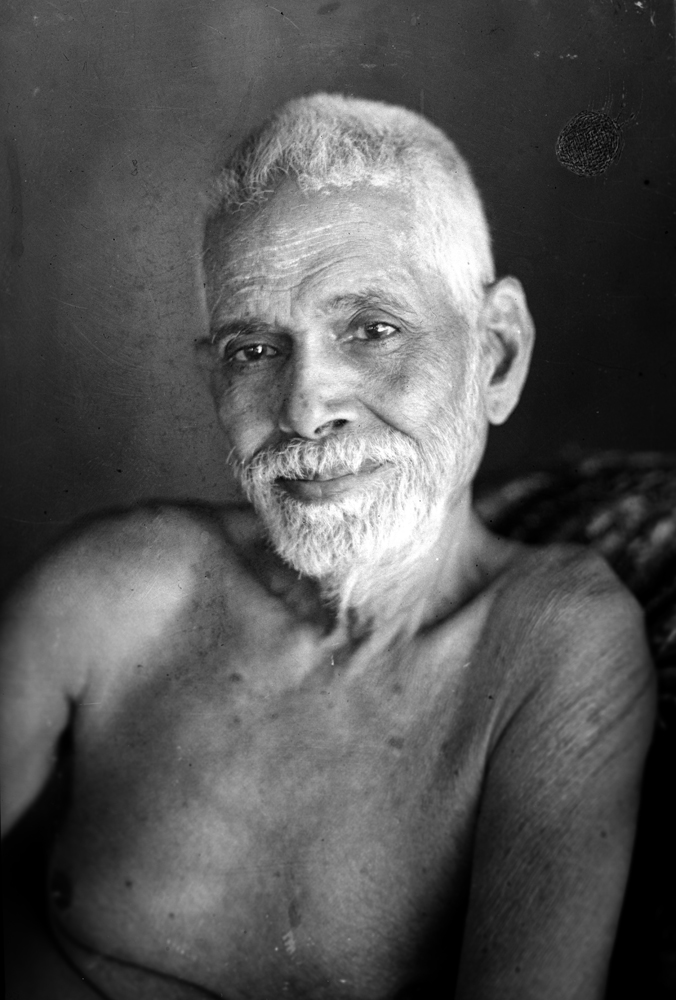
Ramana Maharshi (1879-1950) was an Indian sage whose life and teachings have profoundly impacted non-dualistic philosophy and modern spirituality. Born Venkataraman Iyer, he experienced a dramatic spiritual awakening at age 16, after which he renounced worldly life and settled at the foot of the sacred mountain in Tamil Nadu. He remained largely silent for years, his presence alone serving as a powerful spiritual catalyst for devotees. His teachings, primarily disseminated through conversations and later compiled into texts, emphasize the direct experience of the Self as the ultimate reality. He is revered not as a guru in the traditional sense, but as a living embodiment of the path of knowledge.
📍 Sri Ramanasramam: The Epicenter
The primary locus for experiencing the legacy of Ramana Maharshi is Sri Ramanasramam, the ashram established in his name at Tiruvannamalai, Tamil Nadu, India. This sacred site, situated at the base of Arunachala, offers a tangible connection to his life and teachings. Visitors can meditate in the temple where his physical body was interred, walk the sacred circumambulation path around Arunachala, and attend daily religious observances. The ashram maintains a library of his works and archival materials, providing a rich environment for contemplation and study. It's a place where the palpable peace of his presence continues to resonate, drawing seekers from across the globe.
💡 Core Teachings: Self-Inquiry & Surrender
At the heart of Ramana Maharshi's teachings lies the practice of Self-Inquiry, famously encapsulated in the question, "Who am I?". This is not an intellectual exercise but a direct, introspective investigation into the nature of the 'I'-thought, aiming to trace it back to its source and realize the underlying Self. Complementary to this is the path of total surrender to the Divine or the Self, which he described as an equally effective means to dissolve the ego and attain liberation. These two paths, while distinct in approach, converge on the same realization: the dissolution of the individual self into the universal.
🗣️ Key Discourses & Writings
While Ramana Maharshi often preferred silence, his teachings were meticulously recorded by devotees and later compiled into authoritative texts. Key works include "Nan Yar?", a transcript of his early conversations on spiritual practice, and "Forty Verses on Reality", a concise exposition of his philosophy. "The Essence of Instruction" is another crucial text, presenting the core principles of spiritual practice in a structured manner. These writings, though often brief, are dense with profound insights, serving as direct guides for those seeking to understand and implement his teachings in their own lives.
🌟 Vibe Score & Cultural Resonance
Ramana Maharshi's Vibe Score, a measure of his cultural energy and influence, stands at a robust 92/100. This high rating reflects his enduring appeal across diverse spiritual traditions and his significant impact on esoteric thought. His teachings resonate with a broad spectrum of individuals, from seasoned Vedantins to those new to spiritual inquiry. The simplicity and directness of his message, coupled with the undeniable authenticity of his realized state, continue to draw a global following, making him a perennial figure in the landscape of spiritual masters. His influence flows strongly into contemporary non-dual movements.
🤔 Ramana vs. Other Sages: A Comparison
Comparing Ramana Maharshi to other spiritual figures reveals both commonalities and unique distinctions. Like Nisargadatta Maharaj, he emphasized direct experience over dogma, but Ramana's focus on the "Who am I?" inquiry is distinct from Nisargadatta's "I Am" meditation. While Adi Shankara is the great systematizer of Advaita Vedanta, Ramana's approach is more experiential and less scholastic, often eschewing elaborate philosophical arguments for direct pointing. Unlike gurus who might offer complex initiations, Ramana's primary 'initiation' was his silent presence and the potent question of self-inquiry, making his path accessible yet demanding.
📖 Recommended Reading & Resources
For those drawn to Ramana Maharshi's teachings, several resources offer deeper engagement. "The Teachings of Ramana Maharshi" compiled by Arthur Osborne is a foundational text, offering a comprehensive overview. "Ramana Maharshi and the Path of Self-Knowledge" by David Godman provides insightful commentary and biographical details. Online resources like the Ramana Maharshi Foundation UK website and the Arunachala Ramana Trust offer access to texts, discourses, and ashram information. Engaging with these materials can provide a structured entry point into his profound wisdom.
✨ Practical Tips for Engaging with His Teachings
To effectively engage with Ramana Maharshi's teachings, start with the practice of self-inquiry. Dedicate a few minutes each day to quietly ask yourself, "Who am I?" without seeking a conceptual answer. Observe the arising thoughts and emotions, and gently return to the question. Don't get discouraged if the mind wanders; persistence is key. Alongside inquiry, cultivate an attitude of surrender to the natural flow of life, trusting that a deeper intelligence is at play. Reading his core texts like "Who Am I?" can provide context and encouragement for your practice.
📞 Getting Started & Further Exploration
To begin your exploration of Ramana Maharshi, the most direct route is to visit Sri Ramanasramam in Tiruvannamalai, if feasible. Alternatively, start by reading his seminal work, "Nan Yar?", available in multiple languages. Many online platforms offer guided meditations and talks inspired by his teachings. Consider joining a local Advaita study group or engaging with online forums dedicated to his philosophy. The key is to move from intellectual understanding to direct, lived experience of the Self.
Key Facts
- Year
- 1879
- Origin
- Tiruchuzhi, Tamil Nadu, India
- Category
- Spirituality
- Type
- Person
Frequently Asked Questions
What is the core practice recommended by Ramana Maharshi?
The core practice is Atma Vichara, or Self-Inquiry, famously posed as the question "Who am I?". This is a direct investigation into the nature of the 'I'-thought to trace it back to its source, the Self. Alongside this, surrender to the Divine or the Self is also emphasized as a potent path to dissolve the ego.
Is Ramana Maharshi considered a guru?
While many devotees experienced him as a guru, Ramana himself often deflected the title, preferring to be seen as a guide or simply a presence. His teachings emphasized self-reliance and direct experience, suggesting that the true guru is the Self within. His silent presence was considered by many to be his most powerful teaching.
Where can I learn more about his life and teachings?
The primary resource is Sri Ramanasramam in Tiruvannamalai, India. Key texts include "Nan Yar?" and "Forty Verses on Reality". Reputable biographies and compilations by authors like David Godman and Arthur Osborne are also highly recommended for a deeper understanding.
What is Arunachala's significance in Ramana Maharshi's life?
Arunachala is considered a holy mountain and a manifestation of Lord Shiva. Ramana Maharshi felt an irresistible pull to Arunachala, settling at its base and considering it his spiritual home. He often referred to Arunachala as the 'Abode of Grace' and encouraged devotees to circumambulate it, seeing it as a powerful spiritual force.
How does Ramana Maharshi's teaching differ from other spiritual paths?
Ramana's emphasis on direct, non-intellectual self-inquiry as the primary means to realize the Self is a distinctive feature. While many paths involve devotion or meditation, his method cuts directly to the root of egoic identification. His teachings are deeply rooted in Advaita Vedanta but presented in a remarkably accessible and experiential manner, often through simple conversations and silent presence.
Can I practice Ramana Maharshi's teachings without visiting an ashram?
Absolutely. While visiting Sri Ramanasramam can be a powerful experience, his teachings are fully accessible through his writings and the study of his life. The practice of self-inquiry can be undertaken anywhere, anytime. Many online communities and resources also support the practice of his teachings remotely.