
Contents
- 🎵 Origins & History
- ⚙️ How It Works
- 📊 Key Facts & Numbers
- 👥 Key People & Organizations
- 🌍 Cultural Impact & Influence
- ⚡ Current State & Latest Developments
- 🤔 Controversies & Debates
- 🔮 Future Outlook & Predictions
- 💡 Practical Applications
- 📚 Related Topics & Deeper Reading
- Frequently Asked Questions
- References
- Related Topics
Overview
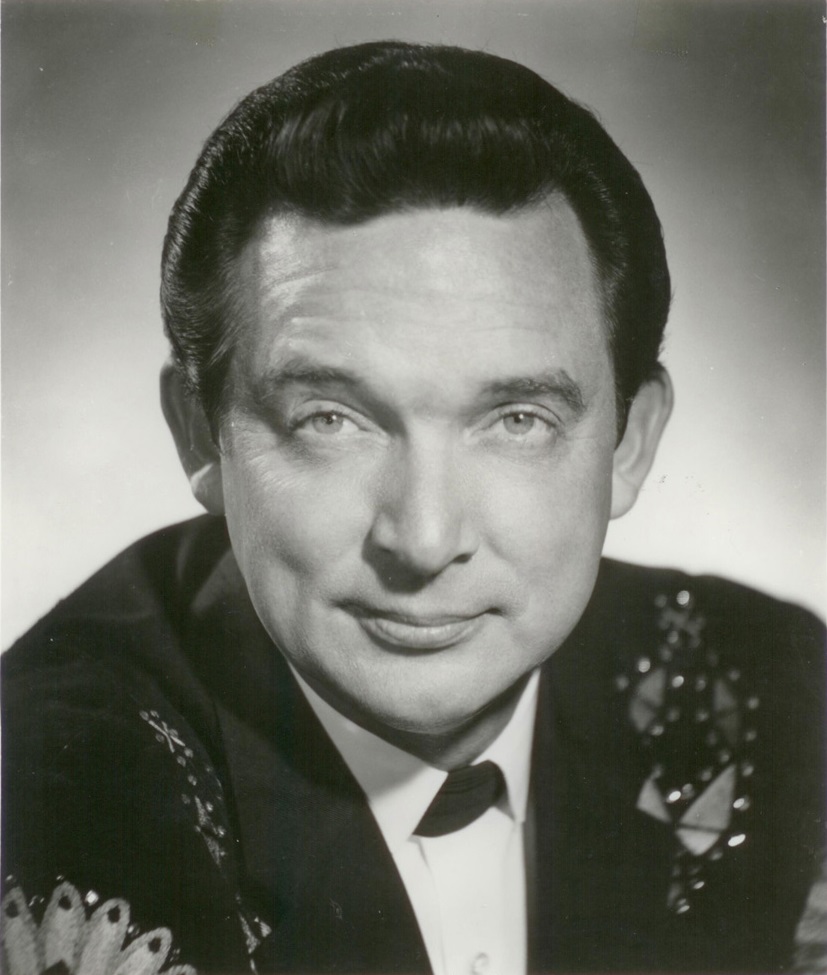
Noble Ray Price was born on January 12, 1926, in Wood County, Texas, a region steeped in the roots of American folk and country music. His early life was marked by a deep immersion in the sounds that would later define his career, absorbing influences from honky-tonk performers and the burgeoning country music scene. After serving in the U.S. Marines during World War II, Price returned to Texas and began honing his craft, performing in local clubs and developing the distinctive vocal style that would become his trademark. His early career saw him gain traction in the burgeoning post-war country music landscape, laying the groundwork for his eventual rise to national prominence through sheer talent and a relentless drive to innovate within the genre. His initial recordings in the early 1950s, particularly for Columbia Records, began to signal a departure from the established norms of country music.
⚙️ How It Works
Ray Price's signature innovation, often dubbed the "Ray Price beat," was a masterful reinterpretation of country music's rhythmic structure. He propelled the traditional 2/4 "boom-chick" beat into a more robust and danceable 4/4 time signature, a shift that infused country music with a greater sense of energy and sophistication. This rhythmic adaptation, coupled with his powerful, wide-ranging baritone voice, created a sound that was both deeply rooted in country tradition and strikingly modern for its time. His arrangements often featured lush string sections and a more prominent horn presence, elements rarely heard in mainstream country music before his influence, effectively bridging the gap between country and pop sensibilities and making his records more accessible to a wider audience.
📊 Key Facts & Numbers
Ray Price's recording career spanned over six decades, yielding an impressive discography. He released more than 50 studio albums, with his first charting single, "Talk to Your Heart," appearing in 1952. His most commercially successful period included hits like "For the Good Times," which reached number 1 on the Billboard Hot 100 in 1970, selling over one million copies and earning a Gold certification. "Crazy Arms," released in 1956, spent 20 weeks on the charts, becoming a foundational honky-tonk anthem. By the time of his passing in 2013, Price had sold an estimated 10 million records worldwide, a testament to his enduring popularity and the broad appeal of his music across generations.
👥 Key People & Organizations
Beyond his own musical endeavors, Ray Price was a significant figure within the country music industry, influencing countless artists. He was a contemporary and sometimes collaborator with legends like Hank Williams and Merle Haggard. His band, the Cherokee Cowboys, featured future stars such as Roger Miller and Willie Nelson in its early days, providing a crucial launching pad for their own careers. Price was inducted into the Country Music Hall of Fame in 1996, a recognition of his profound impact. His longtime manager, Don Law, was instrumental in shaping his career trajectory at Columbia Records for many years.
🌍 Cultural Impact & Influence
Ray Price's influence on country music is immeasurable. The "Ray Price beat" became a standard for many artists who followed, allowing country music to compete more effectively on pop radio and in broader cultural spaces. His willingness to incorporate orchestral arrangements and sophisticated production techniques opened doors for artists like Patsy Cline and Kenny Rogers, who also explored more polished sounds. His baritone voice became a benchmark for male vocalists in the genre, inspiring singers from George Jones to Conway Twitty. The success of songs like "For the Good Times" demonstrated that country music could tackle mature themes with a level of emotional depth and musical artistry that resonated universally, significantly elevating the genre's perceived sophistication.
⚡ Current State & Latest Developments
Since Ray Price's passing on December 16, 2013, his music continues to be celebrated through reissues, compilations, and ongoing radio play on country music stations. His legacy is actively maintained by his estate and through tributes from contemporary artists who cite him as a primary influence. In 2023, a special tribute concert was held to commemorate the 10th anniversary of his death, featuring performances by artists such as Charlie Wade and Marty Stuart, underscoring the enduring relevance of his work. His classic recordings remain staples in the country music canon, ensuring his sound continues to reach new listeners.
🤔 Controversies & Debates
While Ray Price's musical innovations were widely embraced, the transition to a more pop-influenced sound in country music was not without its critics. Some traditionalists felt that the "Ray Price beat" and his incorporation of strings diluted the raw, authentic sound of earlier honky-tonk music. Debates often arose regarding the balance between artistic evolution and the preservation of genre purity. However, Price consistently defended his artistic choices, arguing that music must evolve to remain relevant and connect with a broader audience, a stance that positioned him as a forward-thinking artist rather than a mere traditionalist.
🔮 Future Outlook & Predictions
The future of Ray Price's music lies in its continued integration into the broader landscape of American popular music. As streaming platforms make his extensive catalog more accessible, new generations of listeners are discovering his timeless hits. His influence is likely to persist through the ongoing stylistic blending of country, pop, and rock, where his pioneering rhythmic and vocal approaches can be heard in subtle echoes. Furthermore, the "Ray Price beat" may see revivals as artists explore retro sounds, potentially reintroducing his signature rhythm to contemporary charts and cementing his status as a foundational figure in the evolution of country music's sonic identity.
💡 Practical Applications
Ray Price's music has found practical applications far beyond the concert hall and radio waves. His songs, particularly "Release Me" and "For the Good Times," have been covered by hundreds of artists across numerous genres, from pop and rock to R&B, demonstrating their universal appeal and adaptability. His recordings are frequently used in film and television soundtracks to evoke specific moods or historical periods, adding emotional depth and authenticity to visual storytelling. Furthermore, musicologists and students of music theory study his arrangements and rhythmic innovations as key examples of genre evolution and the impact of stylistic experimentation within popular music.
Key Facts
- Year
- 1926-2013
- Origin
- United States
- Category
- culture
- Type
- person
Frequently Asked Questions
What was the "Ray Price beat"?
The "Ray Price beat" refers to Ray Price's innovative use of a 4/4 time signature in country music, a departure from the more common 2/4 rhythm prevalent at the time. This shift gave his music a more driving, modern feel that appealed to a broader audience and influenced subsequent country artists. It was a key element in his ability to blend traditional country sounds with more sophisticated arrangements, making hits like "Crazy Arms" and "For the Good Times" resonate widely.
Who were some notable musicians who played in Ray Price's band?
Ray Price's band, the Cherokee Cowboys, served as a launching pad for several future country music stars. Notable members included Willie Nelson, who would go on to pioneer the "outlaw country" movement, and Roger Miller, known for his unique songwriting and vocal style. Buddy Emmons, a legendary pedal steel guitarist, also played with Price, contributing significantly to his signature sound. The caliber of musicianship in his band underscored Price's commitment to musical excellence and innovation.
What is Ray Price most famous for?
Ray Price is most famous for his powerful baritone voice, his pioneering "Ray Price beat" that modernized country music's rhythm, and a string of hit songs including "Release Me," "Crazy Arms," and the Grammy-winning "For the Good Times." His ability to infuse country music with orchestral elements and a sophisticated sound earned him widespread acclaim and a permanent place in the Country Music Hall of Fame. He is recognized for significantly broadening the appeal and musical scope of country music.
How did Ray Price influence country music?
Ray Price profoundly influenced country music by introducing a more dynamic 4/4 rhythm, the "Ray Price beat," which made the genre more accessible and danceable. He also popularized the use of string sections and sophisticated production in country songs, paving the way for the Nashville Sound and artists like Patsy Cline. His rich baritone vocal style set a new standard for male country singers, and his band, the Cherokee Cowboys, nurtured the talents of future legends like Willie Nelson and Roger Miller, demonstrating his role as both an innovator and a mentor.
Was Ray Price's music considered controversial?
While Ray Price's music was not overtly controversial in terms of lyrical content, his stylistic innovations sometimes sparked debate among country music purists. His embrace of orchestral arrangements and a smoother, more pop-influenced sound, particularly in the late 1960s and 1970s with hits like "For the Good Times," was seen by some traditionalists as a departure from the raw honky-tonk roots of the genre. However, Price viewed these changes as necessary evolution, arguing that music must adapt to remain relevant, a perspective that ultimately broadened country music's audience.
How can I listen to Ray Price's music today?
Ray Price's extensive catalog is readily available on major digital streaming platforms such as Spotify, Apple Music, and Amazon Music. Numerous compilation albums featuring his greatest hits, like "The Essential Ray Price" or "16 Biggest Hits," can also be purchased online or found in music stores. His classic recordings are frequently featured on country music radio stations, offering accessible ways to experience his influential sound.
What are Ray Price's most famous songs?
Ray Price is celebrated for numerous iconic songs that have become staples of country music. Among his most famous are "Release Me (And Let Me Love Again)," a massive hit that topped charts in 1967; "Crazy Arms," a quintessential honky-tonk anthem from 1956; and "For the Good Times," a Grammy-winning ballad that crossed over to the pop charts in 1970. Other significant recordings include "Heartaches by the Number," "Night Life," and "You're the Best Thing That Ever Happened to Me," showcasing the breadth of his vocal talent and interpretive skill.