
Contents
Overview
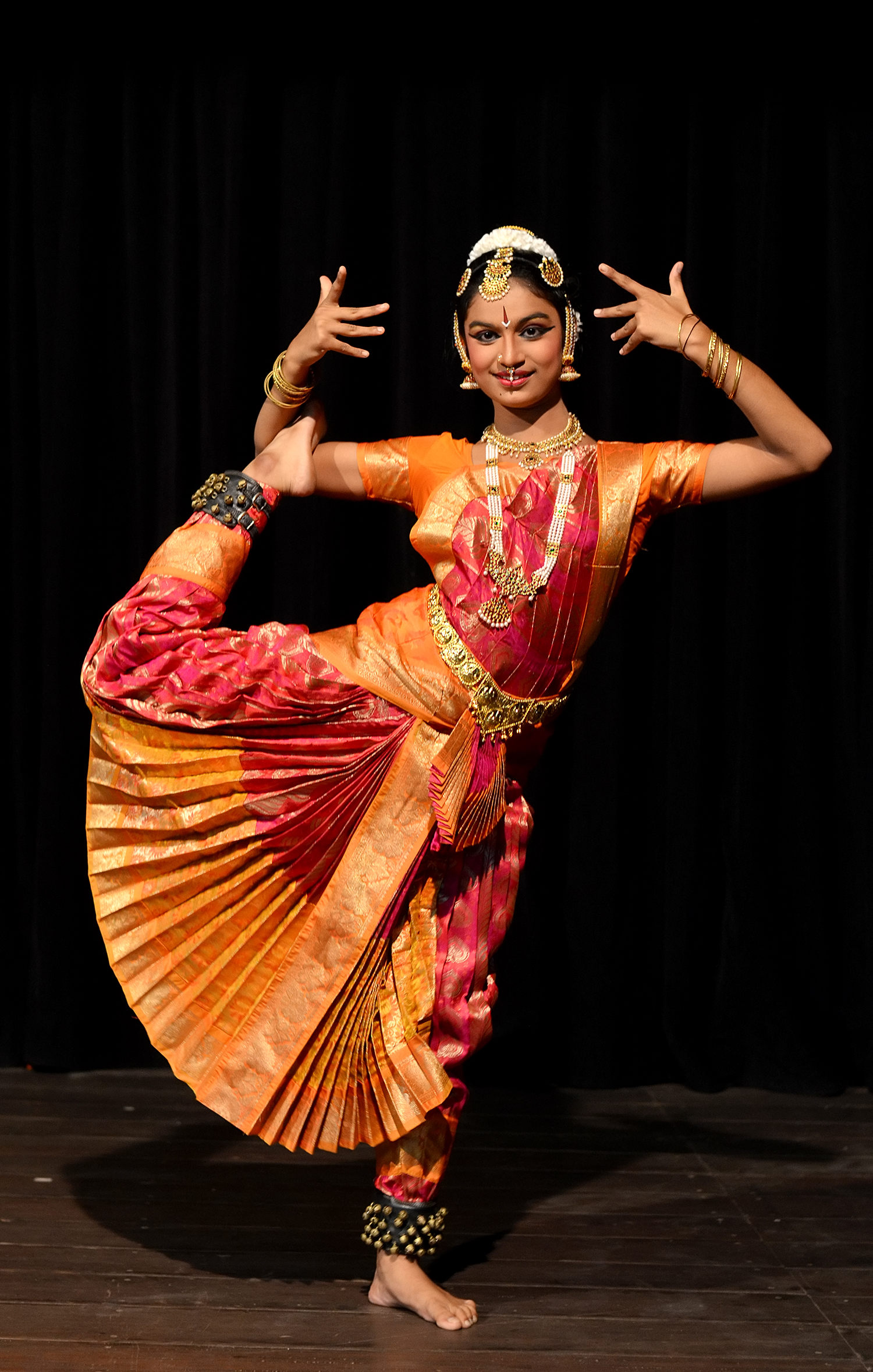
Religious dance is the intentional use of movement and choreography within spiritual or sacred contexts, a practice woven into the fabric of human civilization across millennia and continents. It manifests as a profound expression of devotion, a conduit for spiritual experience, and a communal act of worship, ranging from the frenetic, trance-inducing movements of shamans to the highly stylized, narrative performances in temples and the contemplative, embodied prayer of contemplative traditions. While some faiths have historically suppressed or prohibited dance due to perceived associations with sensuality or paganism, its presence is undeniable in major world religions like Hinduism, where it forms integral temple arts, and in various forms of Indigenous, Sufi, and even some Christian and Jewish traditions. The 20th century saw a resurgence of interest in sacred dance, with figures like Bernhard Wosien and movements like the Contemporary Sacred Dance seeking to reintegrate embodied spirituality into modern religious life, highlighting its enduring power to connect the physical and the transcendent.
🎵 Origins & History
The origins of religious dance are as ancient as humanity itself, predating recorded history and appearing in virtually every culture as an intrinsic part of early ritual and spiritual practice. Prehistoric cave paintings, such as those found in Bhimbetka Rock Shelters in India, depict figures in dynamic poses suggestive of ritualistic movement. Early shamanistic traditions across Siberia, Africa, and the Americas utilized ecstatic dance to enter altered states of consciousness, communicate with spirits, and facilitate healing. In ancient Greece, dances like the Pyrrhic dance were performed in honor of gods like Apollo and Athena, while Dionysian rites involved wild, uninhibited movement. The Vedic period in India saw the development of temple dances, precursors to classical forms like Bharatanatyam, which were deeply integrated into worship. The historical trajectory of religious dance is marked by both proliferation and suppression, with its acceptance often hinging on theological interpretations and cultural norms.
⚙️ How It Works
Religious dance functions through the intentional use of the human body as a vessel for spiritual expression and connection. It can operate on multiple levels: as a form of prayer, where movement becomes a physical articulation of devotion; as a means of achieving altered states of consciousness, facilitating ecstatic experiences or meditative focus, as seen in the whirling of Sufi Whirling Dervishes; or as a narrative tool, reenacting sacred stories or myths. The choreography can be highly structured and codified, as in Bharatanatyam or Kathak in India, or improvisational and spontaneous, as in some Pentecostal services or Indigenous ceremonies. The performer's intention, the community's reception, and the specific ritual context are crucial to its efficacy, transforming mere movement into sacred action. The use of music, chanting, and symbolic gestures often amplifies the spiritual impact.
📊 Key Facts & Numbers
Globally, it is estimated that a significant majority of cultures have incorporated some form of dance into their religious or spiritual practices throughout history. The Hindu temple dance tradition, for instance, has a lineage stretching back over 2,000 years. The Whirling Dervishes of the Mawlawiyya Sufi Order perform their sema ceremony, a form of religious dance, in numerous countries, attracting hundreds of thousands of tourists and spiritual seekers annually. While precise global statistics on contemporary religious dance participation are scarce, surveys in some denominations, like certain branches of Pentecostalism, indicate that a notable percentage of congregants may engage in spontaneous expressive dance during worship services.
👥 Key People & Organizations
Key figures in the history of religious dance include Mirra Alfassa (The Mother), who developed spiritual dance practices at the Auroville ashram in India, and Bernhard Wosien, a German dancer and teacher who, alongside Maria Gass, founded the Contemporary Sacred Dance movement in the mid-20th century, aiming to revive dance as a spiritual practice in Europe. In the realm of Hindu dance, figures like Balasaraswati are revered for their mastery and preservation of classical forms. Within Sufism, Jalaluddin Rumi, the 13th-century poet and mystic, is credited with inspiring the practice of whirling. Organizations like the Sacred Dance Guild and various denominational arts ministries actively promote and support religious dance today, fostering community and providing resources for practitioners.
🌍 Cultural Impact & Influence
Religious dance has profoundly shaped cultural expressions, influencing not only religious iconography and temple architecture but also secular performance arts. The intricate hand gestures (mudras) and storytelling in Bharatanatyam have inspired contemporary choreography, while the ecstatic energy of shamanic dances has informed modern therapeutic movement practices. In many societies, dance was integral to rites of passage, agricultural festivals, and community bonding, reinforcing social cohesion and transmitting cultural values. The visual arts, from ancient Greek pottery to Renaissance paintings and contemporary installations, frequently depict figures in religious dance, attesting to its enduring symbolic power. Its influence can be seen in the development of theatrical dance forms, many of which retain echoes of their sacred origins.
⚡ Current State & Latest Developments
The 21st century sees religious dance flourishing in diverse and often unexpected ways. Expressive dance remains a vibrant and integral part of worship in many Pentecostal and Charismatic Christian churches, often spontaneous and deeply personal. Online platforms like YouTube and Vimeo host countless videos of religious dance performances, from traditional rituals to modern interpretations, reaching global audiences. Initiatives like the Sacred Dance Guild's annual conferences and workshops continue to provide spaces for training and community building. Furthermore, there's a growing interest in using dance for spiritual formation and healing within various faith traditions, bridging the gap between ancient practices and modern needs.
🤔 Controversies & Debates
The practice of religious dance is not without its controversies. Historically, many traditions have viewed dance with suspicion, sometimes outright prohibiting it due to concerns about sensuality, idolatry, or association with pre-Christian pagan rituals. This tension persists today, with debates arising within congregations about the appropriateness of dance in worship. Some critics argue that overly stylized or performative dance can detract from the spiritual focus, becoming mere entertainment. Conversely, proponents emphasize dance's power to express emotions and devotion that words cannot capture. The question of authenticity versus spectacle, and the potential for appropriation of sacred forms by secular contexts, also fuels ongoing discussion.
🔮 Future Outlook & Predictions
The future of religious dance appears dynamic, likely characterized by increased interfaith exploration and technological integration. We can anticipate a continued blending of traditional forms with contemporary choreographic techniques, leading to innovative expressions of faith. The use of digital platforms will undoubtedly expand its reach, potentially fostering global online communities of religious dancers and scholars. There's also a growing potential for therapeutic applications, with dance being explored as a tool for spiritual healing and trauma recovery within religious frameworks. As societies become more diverse, interfaith collaborations in dance may become more common, seeking common ground in embodied spiritual expression. The challenge will be to maintain the sacred integrity of the practice amidst evolving cultural landscapes and technological advancements.
💡 Practical Applications
Religious dance finds practical application in numerous spheres. Within worship services, it can serve as a powerful form of congregational participation, enhancing communal prayer and spiritual engagement, particularly in traditions like Pentecostalism. It's utilized in rites of passage, such as weddings and coming-of-age ceremonies, to mark significant life transitions. In educational settings, particularly religious schools and seminaries, dance can be taught as a method of biblical or theological study, offering embodied understanding of scripture. Furthermore, dance therapy, often drawi
Key Facts
- Category
- culture
- Type
- topic