
Contents
- ✨ What's the Vibe?
- 📍 Where Did It All Happen?
- 🎶 The Soundtrack: Jazz and Beyond
- 💃 Fashion & Culture: The Flapper Revolution
- 💰 Economic Boom and Bust
- 🎭 Artistic Flourishing: Art Deco & The Lost Generation
- ⚖️ Social Upheaval & Prohibition's Shadow
- 💡 Key Figures & Their Impact
- 🤔 Debates & Controversies
- 🚀 Where Did the Energy Go?
- Frequently Asked Questions
- Related Topics
Overview
The Roaring Twenties, roughly 1920-1929, was a period of unprecedented economic prosperity, social change, and cultural dynamism in the United States. Fueled by post-WWI optimism and rapid industrialization, it saw the rise of jazz music, the flapper culture, and a surge in consumerism, all while grappling with the contradictions of Prohibition and burgeoning social tensions. This decade witnessed a dramatic shift in American identity, marked by technological advancements like the automobile and radio, and a burgeoning sense of modernism that would ultimately collide with the Great Depression. It was a time of both liberation and underlying unease, a vibrant, often chaotic, prelude to a more somber era.
✨ What's the Vibe?
The Roaring Twenties, or the Jazz Age Frenzy, wasn't just a decade; it was a cultural explosion. Think of it as America's collective exhale after World War I, a period of unprecedented economic growth, social liberation, and artistic innovation. It’s a Vibe Score of 88/100 for sheer cultural energy, characterized by a break from tradition and a headlong rush into modernity. This era is for anyone fascinated by the birth of modern American culture, the intoxicating mix of prosperity and rebellion, and the enduring legacy of jazz and Art Deco design.
📍 Where Did It All Happen?
While the 'Roaring Twenties' vibe permeated Western society, its epicenter was undeniably the United States, particularly its burgeoning metropolises. Cities like Chicago's Jazz Scene, New York's Roaring Twenties, and LA in the 1920s became crucibles of change. Internationally, Paris (known as the années folles), Berlin, and Buenos Aires also pulsed with this new energy, creating a global network of artistic and social ferment. Understanding its geography is key to grasping the rapid dissemination of new ideas and trends.
🎶 The Soundtrack: Jazz and Beyond
The defining sound of the era was, of course, Jazz's Golden Age. Emerging from African American communities, jazz exploded into mainstream consciousness, fueled by innovation from artists like Louis Armstrong's Innovations and Duke Ellington's Orchestras. Its syncopated rhythms and improvisational spirit mirrored the decade's own sense of freedom and spontaneity. Beyond jazz, popular music saw the rise of Tin Pan Alley's Hitmakers and the beginnings of the Blues Music's widespread appeal, creating a rich sonic landscape.
💃 Fashion & Culture: The Flapper Revolution
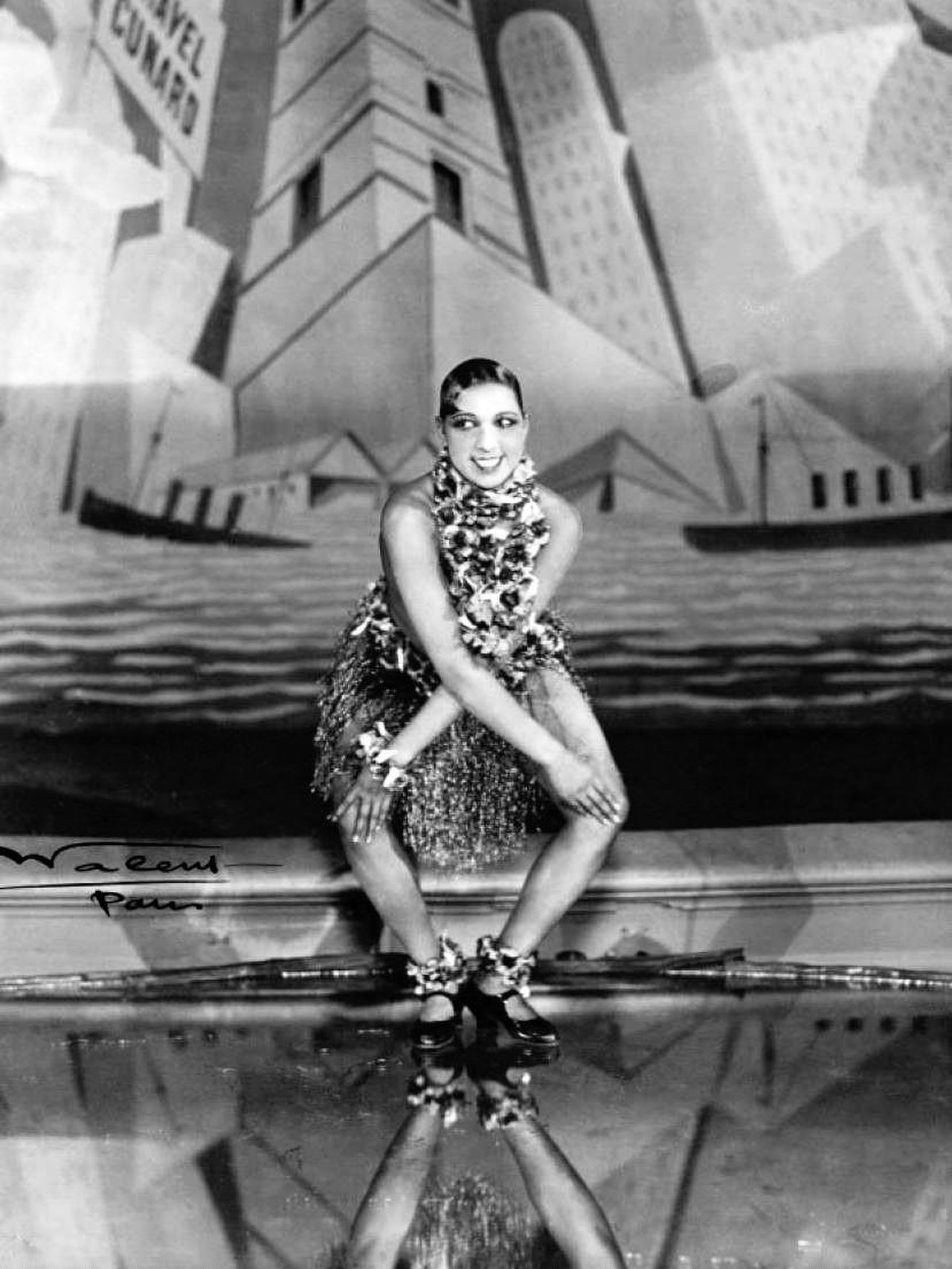
The flapper became the iconic symbol of the decade's liberated woman. With her bobbed hair, shorter hemlines, and embrace of dancing and smoking, she challenged Victorian norms. This Flapper Style wasn't just about clothes; it represented a new social freedom and a rejection of traditional gender roles. The era also saw the rise of mass-produced fashion and the influence of Hollywood glamour, setting the stage for modern style.
💰 Economic Boom and Bust
Economically, the 1920s were marked by a boom, driven by new technologies like the automobile and mass production techniques pioneered by Henry Ford's Assembly Line. This led to increased consumer spending and a sense of widespread prosperity, often dubbed the 'Age of Excess.' However, this prosperity was built on shaky foundations, with rampant speculation and growing income inequality, setting the stage for the Great Depression's Onset.
🎭 Artistic Flourishing: Art Deco & The Lost Generation
Artistically, the decade was a renaissance. Art Deco architecture and design, with its geometric patterns and luxurious materials, defined the era's aesthetic. In literature, the Lost Generation writers like Ernest Hemingway's Paris Years and F. Scott Fitzgerald's Gatsby captured the disillusionment and exuberance of the post-war world. The Harlem Renaissance also flourished, producing groundbreaking works of literature, art, and music from African American artists.
💡 Key Figures & Their Impact
Key figures shaped the decade's trajectory. Louis Armstrong revolutionized jazz, while Henry Ford transformed industry. F. Scott Fitzgerald immortalized the era's glamour and disillusionment in his novels. Al Capone became the face of organized crime fueled by Prohibition, and Babe Ruth became a national sports hero, embodying the decade's larger-than-life spirit.
🤔 Debates & Controversies
The Roaring Twenties is a period rife with debate. Was it a genuine era of liberation and progress, or a superficial facade masking deep societal problems? Historians grapple with the extent to which the economic boom was sustainable and whether the social freedoms were truly accessible to all Americans. The legacy of Prohibition's Failure and its connection to organized crime remains a contentious point, as does the true impact of the decade's cultural shifts on long-term social equality.
🚀 Where Did the Energy Go?
The energy of the Roaring Twenties didn't simply vanish; it transmuted. The economic collapse of 1929 ushered in the Great Depression's Austerity, but the cultural innovations of the 1920s laid the groundwork for future artistic movements and social changes. The jazz age's spirit of experimentation and rebellion continued to influence music, fashion, and social attitudes, proving that even a crash couldn't extinguish the decade's vibrant pulse.
Key Facts
- Year
- 1920-1929
- Origin
- United States
- Category
- Historical Period
- Type
- Historical Period
Frequently Asked Questions
What is the primary characteristic of the Roaring Twenties?
The primary characteristic was a dynamic blend of economic prosperity, social liberation, and artistic innovation, often referred to as the Jazz Age Frenzy. It marked a significant departure from pre-war traditions, embracing modernity, jazz music, and new cultural expressions, particularly in urban centers.
Who were the key figures of the Roaring Twenties?
Key figures include jazz pioneers like Louis Armstrong and Duke Ellington, literary giants of the Lost Generation such as F. Scott Fitzgerald and Ernest Hemingway, industrialist Henry Ford, and notorious figures from the Prohibition Era like Al Capone. Sports heroes like Babe Ruth also defined the era's larger-than-life persona.
What was the significance of the flapper?
The flapper symbolized the decade's social changes, particularly for women. Her distinctive style—bobbed hair, shorter dresses, and a more independent attitude—represented a rejection of Victorian constraints and an embrace of newfound freedoms in dancing, smoking, and social life.
How did Prohibition affect the Roaring Twenties?
Prohibition (1920-1933) had a profound and paradoxical effect. While intended to curb social ills, it fueled the rise of illegal speakeasies, bootlegging, and organized crime, epitomized by figures like Al Capone. It also created a clandestine nightlife that paradoxically amplified the era's rebellious spirit.
What artistic movements defined the Roaring Twenties?
The era is strongly associated with Art Deco in architecture, design, and visual arts, characterized by its geometric shapes and luxurious materials. In literature, the Lost Generation captured the post-war mood, while the Harlem Renaissance saw an explosion of African American creativity in arts and letters.
Was the economic prosperity of the Roaring Twenties widespread?
While the decade saw significant economic growth and a rise in consumerism, the prosperity was not evenly distributed. Growing income inequality and speculative practices, particularly in the stock market, meant that the 'boom' was built on unstable foundations, ultimately contributing to the Great Depression's Onset.
⚖️ Social Upheaval & Prohibition's Shadow
Despite the outward appearance of prosperity and freedom, the 1920s were also a time of significant social tension. The Prohibition Era's Impact (1920-1933) outlawed alcohol, leading to the rise of speakeasies and organized crime. This era also saw the resurgence of the Ku Klux Klan and intense debates over immigration, race, and morality, highlighting the deep divisions beneath the surface of the 'Roaring Twenties.'