
Contents
Overview
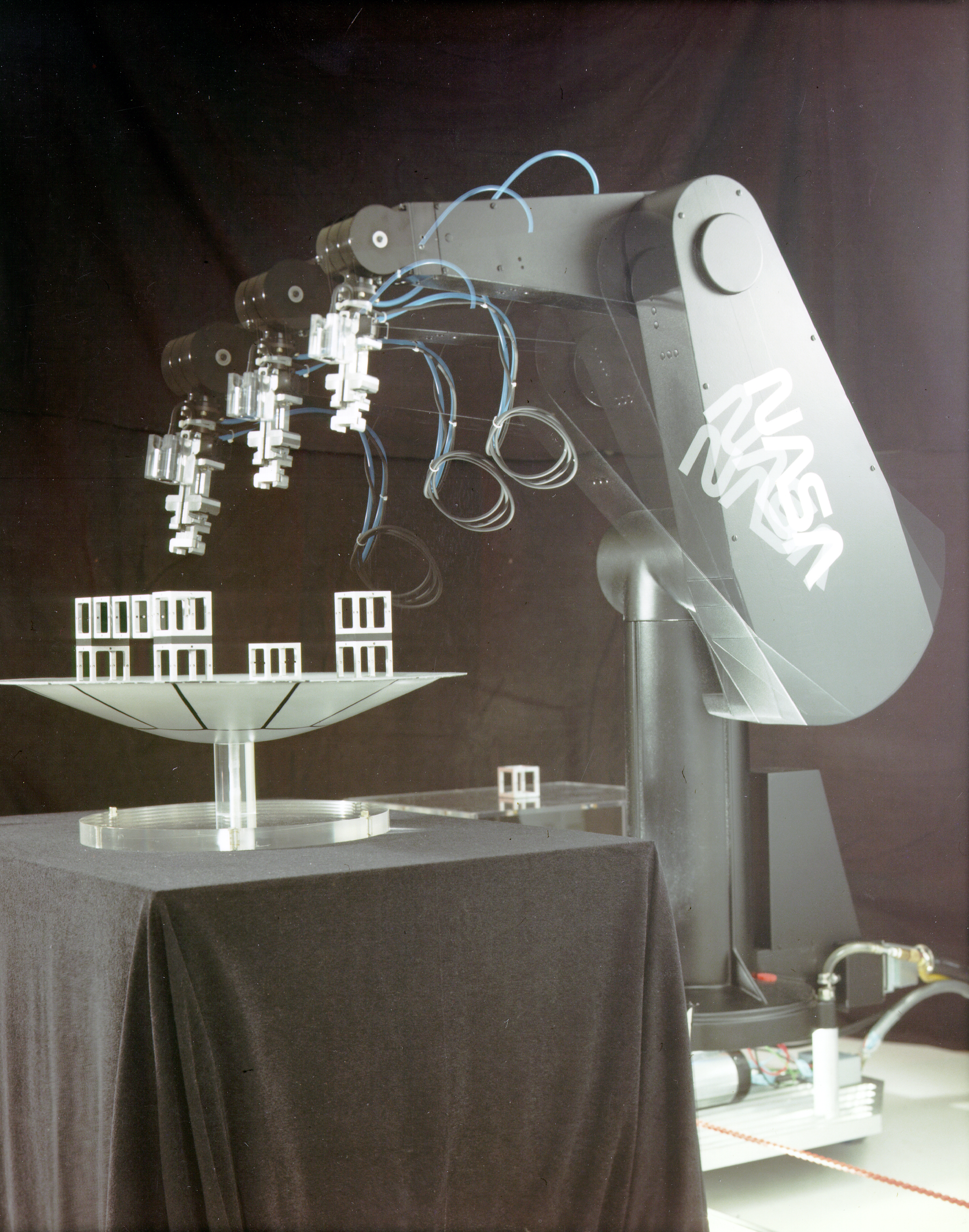
Robotics is the interdisciplinary study and practice of designing, constructing, operating, and using robots—programmable machines that perform tasks traditionally done by humans.[1][6] The field combines mechanical engineering, electrical engineering, computer science, and mathematics to create machines capable of autonomous or semi-autonomous operation.[2][4] The term 'robot' itself derives from the Czech word 'robota,' meaning 'forced labor,' first appearing in the 1920 play R.U.R. to describe mass-produced mechanical workers.[5][8] Modern robotics emerged in the mid-twentieth century, with early spot-welding robot prototypes deployed at General Motors facilities in 1961, marking the beginning of widespread industrial adoption.[3] Today, robotics represents a lucrative field that creates specialized careers, particularly for postgraduates and specialists known as roboticists.[6]
⚙️ How Robots Work
A functional robot typically comprises four essential design elements: a power source (such as a battery), mechanical construction (the physical structure), a control system (electrical circuits), and software (either remotely controlled or powered by artificial intelligence).[6] The basic components include motors, actuators, sensors, end effectors, a communication system, and a program that enables the machine to perform its designated tasks.[4] Robotics integrates closely with related fields like mechatronics—which combines mechanical engineering, electronics, and computer science—and automation, though robotics differs from mere automation by incorporating intelligent decision-making and real-time adaptability through sensors and AI.[2][8] Many modern robots leverage artificial intelligence to enhance their capabilities, enabling them to learn from experiences, recognize patterns, and adapt to changing environments much like biological systems studied in neuroscience and brain plasticity research.[1][7]
🏭 Industrial & Practical Applications
Robots have revolutionized numerous industries by performing dull, dirty, or dangerous tasks with greater efficiency and accuracy than humans.[4] In manufacturing, robots excel at repetitive work, improving productivity while reducing human error and costs—they can operate continuously without breaks, leading to 24/7 production capabilities.[2] Beyond the factory floor, robotics applications span agriculture, construction, domestic work, food processing, inventory management, medicine (including surgical procedures), military operations, mining, space exploration, and transportation.[6] Emerging applications include home electronics like autonomous vacuum cleaners and lawnmowers, home monitoring systems such as Amazon Astro, and assistive robotics that help individuals with limited mobility perform daily tasks.[7] In healthcare, robots perform complex surgical procedures with precision, while in space exploration, they enable humanity to explore distant planets—applications that demonstrate robotics' transformative potential across sectors as diverse as those covered by organizations like the Environmental Protection Agency.[6][7]
🔮 Future Developments & Impact
The future of robotics centers on advancing artificial intelligence, machine learning, and human-robot interaction to create machines that interface naturally with people.[6] Emerging technologies include computer vision for environmental perception and navigation, self-supervised learning that enables robots to adapt without explicit programming, and imitation learning where robots replicate human behavior demonstrated to them.[7] Researchers are exploring quantum robotics and robot kinematics as active areas of development, while concerns about workforce displacement have sparked discussions about solutions like basic income.[6] As robotics becomes increasingly sophisticated and autonomous, the field continues to evolve, with applications expanding into domains previously thought impossible—from complex decision-making tasks to creative problem-solving—though robots remain limited to solving problems they were specifically designed to address.[7] The integration of robotics with emerging technologies like blockchain and virtual reality promises to further expand the field's capabilities and applications in the coming decades.
Key Facts
- Year
- 1920-present
- Origin
- Czech Republic (terminology); Industrial adoption began in 1960s America
- Category
- technology
- Type
- technology
Frequently Asked Questions
What's the difference between robotics and automation?
While automation refers to systems that perform tasks automatically without real-time adaptability, robotics involves machines capable of intelligent decision-making and interaction with their environment through sensors and artificial intelligence. Robotics is more sophisticated and adaptive than basic automation.
What are the main components of a robot?
A functional robot typically includes: a power source (battery), mechanical construction (physical structure), a control system (electrical circuits), software (remote control or AI), motors, actuators, sensors, end effectors, and a communication system. These components work together to enable the robot to perform its designated tasks.
Where are robots most commonly used today?
Robots are widely deployed in manufacturing (especially automotive), healthcare (surgical procedures), space exploration, agriculture, construction, mining, domestic applications (vacuum cleaners, lawnmowers), and increasingly in assistive roles for people with mobility limitations. They excel in environments hazardous to humans or tasks requiring precision and consistency.
How does artificial intelligence enhance robotics?
Artificial intelligence enables robots to learn from experiences, recognize patterns, make autonomous decisions, and adapt to changing environments. AI-powered robots can process sensor data in real-time, predict outcomes, and improve their performance through machine learning—capabilities that transform robots from simple task-performers into intelligent, adaptive systems.
What concerns exist about the future of robotics?
Primary concerns include workforce displacement as robots automate jobs previously held by humans, ethical implications of autonomous robots in military and healthcare contexts, and questions about maintaining human control over increasingly autonomous systems. These concerns have sparked discussions about solutions like basic income and new regulatory frameworks.
References
- britannica.com — /technology/robotics
- petoi.com — /blogs/blog/what-is-robotics-definition-types-and-practical-applications
- formant.io — /resources/glossary/robotics/
- uti.edu — /blog/robotics-and-automation/robotics-basics
- builtin.com — /robotics
- en.wikipedia.org — /wiki/Robotics
- techtarget.com — /whatis/definition/robotics
- standardbots.com — /blog/what-is-robotics
- turito.com — /blog/robotics/robotics-definition-basics-of-robotics-for-beginners-turito