
Contents
- 🥁 What is Rock Drumming?
- ⚡️ The Vibe: Rebellion and Rhythm
- 🛠️ Essential Gear & Setup
- 📈 Learning the Craft: From Garage Bands to Stadiums
- 🌟 Iconic Drummers Who Defined the Sound
- 💥 The Drummer's Role: More Than Just Keeping Time
- 🎶 Subgenres and Their Rhythmic Signatures
- 💡 The Future of Rock Drumming
- Frequently Asked Questions
- Related Topics
Overview
Rock drumming is the percussive backbone of arguably the most influential genre of popular music in the 20th and 21st centuries. It’s not just about hitting things; it’s about creating the pulse, the energy, and the raw power that defines rock and roll. From the foundational swing rhythms of early rockabilly to the complex polyrhythms of progressive rock, the drummer is the engine driving the entire sonic machine. This isn't just a musical style; it's a cultural force that has soundtracked revolutions, teenage angst, and anthemic singalongs for decades. Understanding rock drumming means understanding the very spirit of rock music itself.
⚡️ The Vibe: Rebellion and Rhythm
The 'vibe' of rock drumming is inextricably linked to rebellion. Think of the primal energy of John Bonham's thunderous fills with Led Zeppelin, or the driving, no-nonsense power of Keith Moon's chaotic brilliance with The Who. This isn't polite jazz or intricate classical percussion; it's often loud, aggressive, and designed to make you move. The drummer is the embodiment of raw, untamed energy, often seen as the wild card in a band, pushing boundaries and challenging expectations. This rebellious spirit is a core component of rock's enduring appeal, a sonic manifestation of youthful defiance and artistic freedom.
🛠️ Essential Gear & Setup
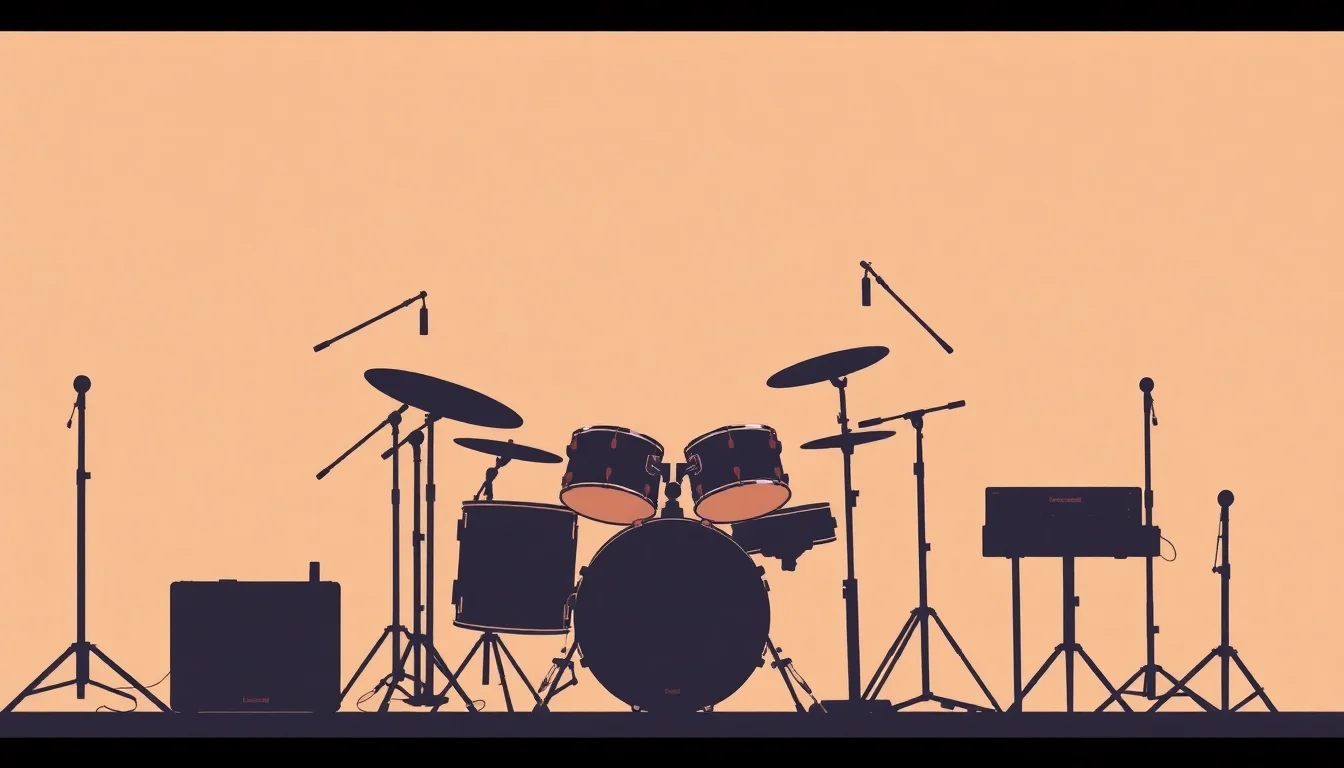
Setting up for rock drumming involves a specific toolkit. At its heart is the drum kit, typically comprising a bass drum, snare drum, tom-toms, and cymbals. Beyond the basic kit, rock drummers often employ double bass pedals for relentless, driving beats, various specialized cymbals for accents and textures, and sometimes electronic drum pads for added sonic possibilities. The physical arrangement of the kit is crucial for efficiency and stage presence, allowing the drummer to access all their instruments with minimal movement. Proper tuning and maintenance are also key to achieving that signature rock sound, from the fat crack of the snare to the booming resonance of the toms.
📈 Learning the Craft: From Garage Bands to Stadiums
Learning rock drumming is a journey that can start anywhere from a basement practice space to a formal music conservatory. Many legendary drummers were self-taught, honing their skills through sheer dedication and countless hours of practice, often mimicking their heroes. The rise of online tutorials and online drumming resources has democratized learning, making expert instruction accessible globally. For those serious about a career, formal education in music theory and performance can provide a solid foundation, but the true essence of rock drumming is often forged in the crucible of live performance, jamming with bands, and developing a unique personal style through relentless experimentation.
🌟 Iconic Drummers Who Defined the Sound
Several drummers stand as titans, shaping the very definition of rock drumming. John Bonham (Led Zeppelin) is almost universally cited for his immense power, groove, and innovative use of the kick drum, creating a sound so distinctive it's often imitated but rarely matched. Keith Moon (The Who) was a whirlwind of percussive anarchy, treating his kit as a melodic instrument and delivering performances that were as much theater as music. Neil Peart (Rush) brought technical virtuosity and complex, jazz-influenced arrangements to the genre, elevating drumming to an art form. These figures, among others like Ginger Baker and Stewart Copeland, didn't just play drums; they redefined what a drummer could be within a rock context.
💥 The Drummer's Role: More Than Just Keeping Time
The drummer's role in a rock band extends far beyond simply keeping a steady beat. They are the rhythmic architect, dictating the song's tempo, dynamics, and overall feel. A well-placed fill can build tension, signal a transition, or inject explosive energy into a track. The interplay between the drummer and the bassist, often referred to as the 'rhythm section,' is the foundation upon which the rest of the band builds. Drummers also contribute to the song's narrative through their choices in cymbal work, snare accents, and kick drum patterns, adding layers of texture and emotion that are vital to the rock sound. Their ability to anticipate and react to other band members is crucial for cohesive performance.
🎶 Subgenres and Their Rhythmic Signatures
Rock drumming isn't monolithic; it's a diverse landscape shaped by subgenres. Hard rock drumming, exemplified by bands like AC/DC, is characterized by straightforward, powerful beats and driving snare rhythms. Progressive rock drummers, such as Bill Bruford or Gavin Harrison, often incorporate intricate time signatures, odd meters, and complex fills, drawing from jazz and classical influences. Punk rock drumming, as heard with The Ramones, is typically fast, raw, and energetic, prioritizing intensity over technicality. Even within alternative rock, drummers like Dave Grohl (Nirvana) brought a unique blend of power and melodic sensibility to their playing, demonstrating the genre's stylistic breadth.
💡 The Future of Rock Drumming
The future of rock drumming is a fascinating intersection of tradition and innovation. While the raw power and foundational grooves of classic rock drumming will always endure, expect to see an increasing integration of electronic elements and advanced sound design. Drummers are pushing the boundaries of what's possible with hybrid kits, incorporating samplers and digital triggers to create entirely new sonic palettes. Furthermore, the global reach of rock music means that drummers from diverse cultural backgrounds will continue to infuse the genre with fresh rhythmic ideas and perspectives. The spirit of rebellion, however, will undoubtedly remain the driving force, ensuring rock drumming continues to evolve and inspire.
Key Facts
- Year
- 1950s
- Origin
- United States
- Category
- Music & Performance
- Type
- Topic
Frequently Asked Questions
What is the most important part of a rock drummer's setup?
While the entire kit is crucial, the snare drum and bass drum are often considered the heart of a rock drummer's sound. The snare provides the sharp, cutting accent, while the bass drum lays down the foundational pulse. The interaction between these two elements, along with the hi-hat, forms the core of most rock beats. However, the choice and placement of cymbals also significantly contribute to the overall sonic texture and impact of a rock performance.
How can I develop my own unique rock drumming style?
Developing a unique style comes from a combination of deep listening, dedicated practice, and fearless experimentation. Study the greats, but don't just copy them; analyze what makes their playing effective and then adapt those elements to your own feel. Play along to a wide variety of music, not just rock. Don't be afraid to try unconventional rhythms, experiment with different drum and cymbal sounds, and push your technical limits. Live performance is also key, as the energy of an audience can inspire spontaneous creativity.
Are electronic drums viable for rock drumming?
Absolutely. Electronic drums have become increasingly sophisticated and are a viable, and often advantageous, option for many rock drummers. They offer a vast range of sounds, the ability to practice silently with headphones, and seamless integration with recording software and live sound systems. Many modern rock drummers use hybrid kits, combining acoustic drums with electronic pads to access a wider sonic palette. The key is to use them in a way that serves the music and maintains the raw energy expected of rock.
What's the difference between a rock drummer and a metal drummer?
While both genres are loud and powerful, metal drumming typically demands a higher level of technical proficiency and endurance. Metal drummers often utilize double bass pedals extensively for rapid-fire blast beats and intricate patterns, pushing tempos far beyond typical rock speeds. The sound is also often more aggressive and processed. Rock drumming, while still powerful, can sometimes prioritize groove, feel, and song dynamics over sheer speed and complexity, though there's significant overlap and many drummers excel in both.
How important is stage presence for a rock drummer?
Stage presence is highly important for a rock drummer, as they are often the visual anchor of the band's energy. While not every drummer needs to be a theatrical performer like Keith Moon, conveying energy, focus, and engagement through body language is crucial. The drummer's physical exertion and visible connection to the music contribute significantly to the overall spectacle of a live rock show. It's about embodying the power and spirit of the music visually as well as sonically.