
Contents
Overview
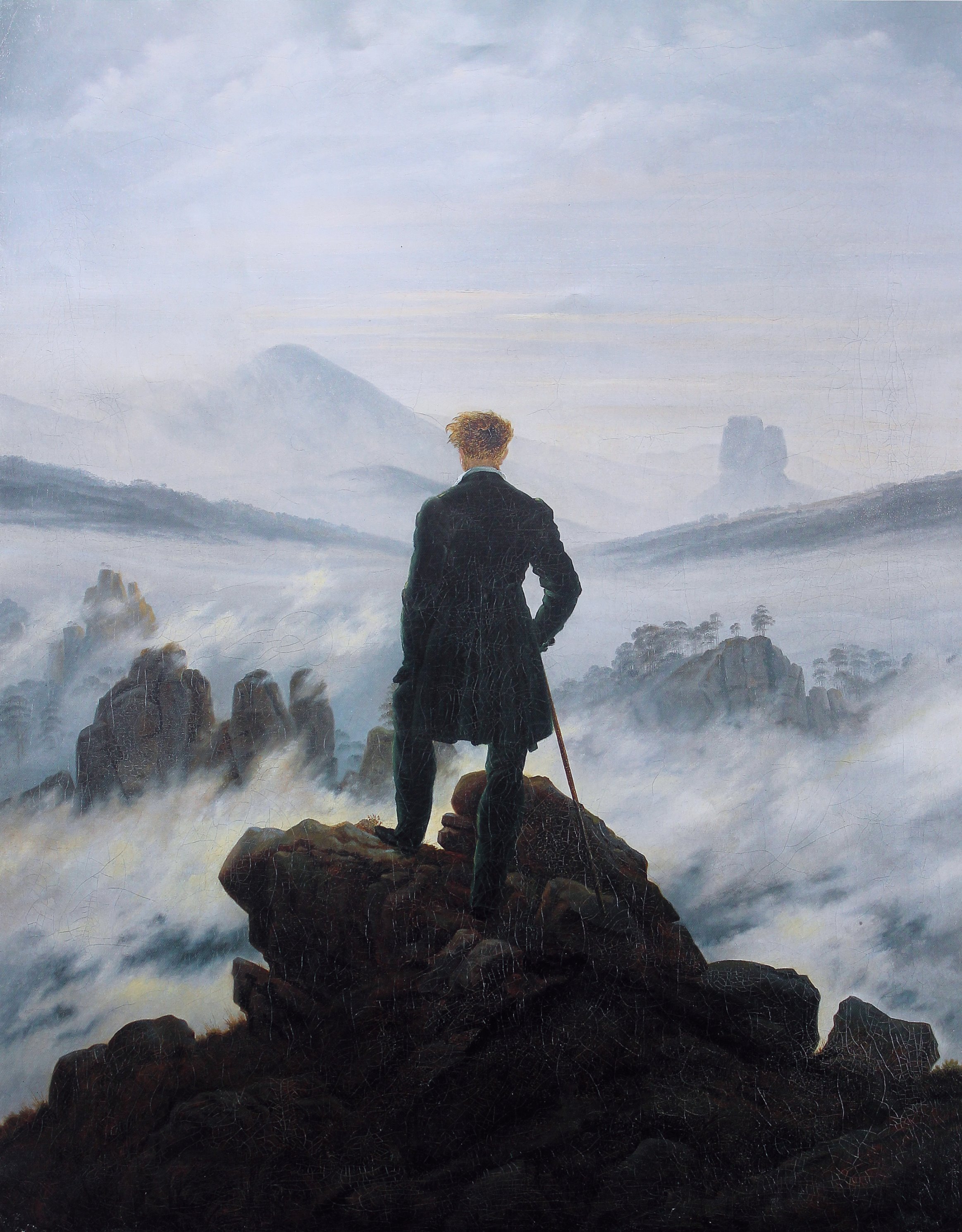
Romanticism, a seismic artistic, literary, musical, and intellectual upheaval, fundamentally reshaped Western culture. Emerging as a potent counterpoint to the Enlightenment's emphasis on reason and the burgeoning Industrial Revolution's mechanization, it championed subjectivity, imagination, and an intense appreciation for the natural world. Romantics championed individualism, valuing passion and intuition as primary modes of understanding existence, and saw beauty not merely in form but in its capacity to stir profound emotional responses. Key themes included a deep reverence for nature, a fascination with the supernatural and the exotic, an idealization of the past, and an embrace of the heroic and the sublime. This movement left an indelible mark on art, literature, music, and philosophy, its echoes still resonating today.
🎵 Origins & History
The seeds of Romanticism were sown in the late 18th century, a direct reaction against the perceived cold rationality of the Age of Enlightenment and the dehumanizing effects of the Industrial Revolution. Precursors like Jean-Jacques Rousseau's emphasis on natural goodness and Johann Wolfgang von Goethe's Sturm und Drang movement in Germany laid crucial groundwork. Across the continent, thinkers and artists like Victor Hugo in France and Ludwig van Beethoven in music began to embody its spirit, challenging classical norms and embracing emotional intensity. The movement's genesis was a deliberate rejection of Neoclassical order, favoring instead a more personal, passionate, and often wild expression.
⚙️ How It Works
Romanticism functions by prioritizing subjective experience and emotional truth over objective reality and empirical observation. Its practitioners sought to evoke powerful feelings through art, literature, and music, often by exploring themes of the sublime, the mysterious, and the intensely personal. This involved a deliberate turn towards nature, not as a mere backdrop, but as a living, breathing entity capable of inspiring awe and spiritual connection. Imagination was elevated to a supreme faculty, allowing artists to transcend the mundane and access deeper truths. The movement also championed the individual genius, the artist as a visionary prophet whose unique sensibility could reveal profound insights into the human condition and the universe. This often manifested in a fascination with the exotic, the medieval past, and the supernatural, all viewed through a lens of heightened emotion and individual perception.
📊 Key Facts & Numbers
The movement's influence extended to architecture, with over 500 notable Gothic Revival structures erected across Europe during this time. The sheer volume of artistic output, estimated to be in the millions of individual pieces across all disciplines, underscores its pervasive cultural energy.
👥 Key People & Organizations
Key figures driving the Romantic movement include the poets William Wordsworth, Samuel Taylor Coleridge, John Keats, and Percy Bysshe Shelley in England, whose works explored nature and emotion. In Germany, Johann Wolfgang von Goethe and Friedrich Schiller were pivotal. French Romanticism was spearheaded by writers like Victor Hugo and Alexandre Dumas, and painters such as Eugène Delacroix and Théodore Géricault. In music, Ludwig van Beethoven, Franz Schubert, and Frédéric Chopin pushed the boundaries of classical form. Organizations like the Pre-Raphaelite Brotherhood in England, though emerging later, were deeply influenced by Romantic ideals, advocating for a return to the sincerity and detail of early Renaissance art. The philosophical underpinnings were significantly shaped by thinkers like Immanuel Kant and Georg Wilhelm Friedrich Hegel.
🌍 Cultural Impact & Influence
Romanticism's cultural impact is immeasurable, fundamentally altering the trajectory of Western art, literature, and music. It shifted the focus from objective representation to subjective experience, paving the way for modern art movements like Impressionism and Expressionism. The elevation of the individual and the celebration of emotion influenced subsequent philosophical thought and political movements, including Nationalism and Liberalism. The Romantic fascination with nature continues to inform environmentalism and conservation efforts, while its embrace of the supernatural and the exotic fueled genres like Gothic literature and Fantasy fiction. The very concept of the "tortured artist" or the "passionate genius" owes much to Romantic ideals, shaping our perception of creativity to this day. Its influence can be seen in countless films, novels, and musical compositions produced well into the 21st century.
⚡ Current State & Latest Developments
While the peak of the Romantic era concluded around 1850, its spirit persists, albeit in transformed guises. Contemporary artists, musicians, and writers often draw upon Romantic themes of emotional intensity, nature's power, and individual expression. The resurgence of interest in folk music, the popularity of nature-based tourism, and the continued appeal of Gothic literature and Fantasy fiction all carry Romantic echoes. In digital spaces, online communities dedicated to nature photography, personal journaling, and introspective poetry can be seen as modern manifestations of Romantic sensibilities. The ongoing debate about the role of emotion versus intellect in art and life ensures that the core tensions of Romanticism remain relevant in the 2024 cultural landscape.
🤔 Controversies & Debates
Romanticism is not without its controversies. Critics often point to its potential for excessive sentimentality, escapism, and a glorification of irrationality, which some argue can lead to dangerous ideologies. The idealization of the past, particularly the medieval period, is often criticized for overlooking the harsh realities of those eras. Furthermore, the Romantic emphasis on the individual genius has been challenged for its potential to foster elitism and neglect collective or collaborative artistic endeavors. Some scholars also debate the extent to which Romanticism truly broke from Enlightenment ideals, arguing for continuities in certain rationalistic or philosophical underpinnings. The movement's association with burgeoning Nationalism also raises questions about its role in later conflicts.
🔮 Future Outlook & Predictions
The future outlook for Romanticism suggests a continued, albeit evolving, presence in culture. As global challenges like climate change intensify, the Romantic reverence for nature may see a resurgence, inspiring new forms of environmental art and activism. The ongoing exploration of subjective experience through digital media, virtual reality, and AI-generated art could offer novel avenues for Romantic expression. We might witness a "Neo-Romantic" movement that synthesizes historical ideals with contemporary technological and social contexts, perhaps exploring the sublime in digital landscapes or the emotional impact of artificial intelligence. The enduring human need for emotional connection and meaning ensures that the core tenets of Romanticism will continue to find new forms of expression, likely influencing artistic and philosophical discourse for decades to come.
💡 Practical Applications
Romanticism's influence is evident in numerous practical applications, particularly in the arts and humanities. Its emphasis on emotional resonance informs modern advertising and marketing, which often seeks to evoke specific feelings in consumers. In tourism, the Romantic idealization of nature fuels the appeal of national parks, scenic routes, and wilderness experiences, with millions visiting places like Yosemite National Park annually. The narrative structures and character archetypes developed during the Romantic era continue to be employed in film, television, and literature, shaping storytelling conventions. Even in fields like psychology, the focus on individual experience and emotional well-being can be seen as a distant descendant of Romantic thought, emphasizing the inner life of the individual.
Key Facts
- Category
- movements
- Type
- topic