
Contents
- 🎵 Origins & History
- ⚙️ How It Works
- 📊 Key Facts & Numbers
- 👥 Key People & Organizations
- 🌍 Cultural Impact & Influence
- ⚡ Current State & Latest Developments
- 🤔 Controversies & Debates
- 🔮 Future Outlook & Predictions
- 💡 Practical Applications
- 📚 Related Topics & Deeper Reading
- Frequently Asked Questions
- References
- Related Topics
Overview
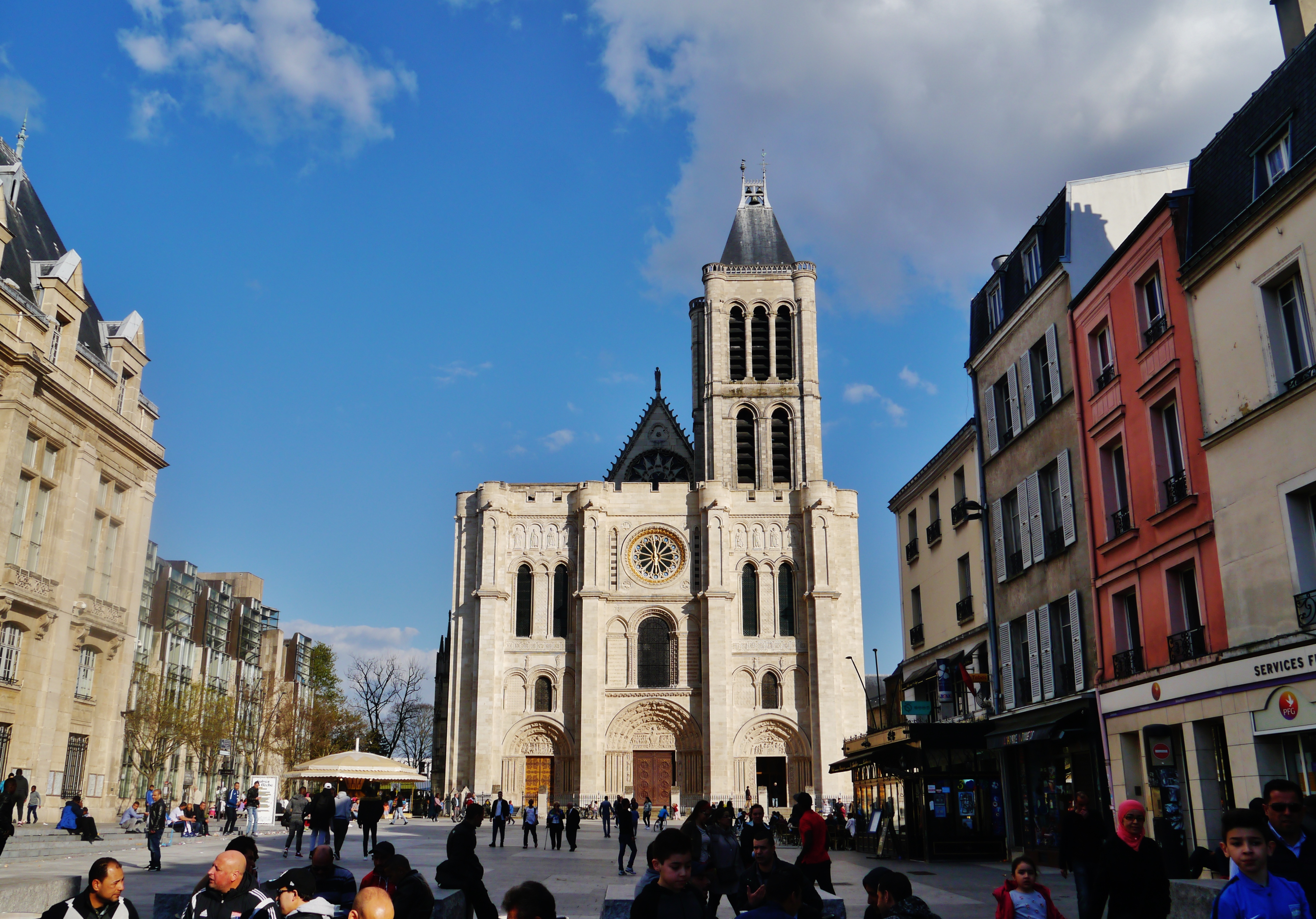
The story of Saint-Denis is inextricably linked to its namesake, Saint Denis, the patron saint of France, who is traditionally believed to have been martyred and buried on the site in the 3rd century AD. The establishment of the Basilica of Saint-Denis in the 10th century by King Louis VI cemented its status as the royal necropolis, transforming it into a sacred space for the French monarchy. Over centuries, the abbey church became the final resting place for nearly every French king and queen from Hugh Capet to Louis XVIII, making it a vital repository of French history and art, housing effigies and tombs that chronicle dynastic succession. The commune's development was further shaped by its proximity to Paris, evolving from a monastic center to an industrial town in the 19th century, attracting workers and contributing to the urban sprawl of the capital.
⚙️ How It Works
Saint-Denis functions as a distinct commune within the Seine-Saint-Denis department, operating under French municipal law with its own elected mayor and council. Its administrative structure is overseen by the Prefecture of Police of Paris for certain functions and the Prefecture of Seine-Saint-Denis for others. The commune's urban fabric is a mix of historical sites, residential areas, industrial zones, and significant public infrastructure. Transportation is a key element, with the RATP operating extensive metro and bus lines, including Line 13 and Tramway Line 1, connecting it efficiently to central Paris and surrounding areas. The Stade de France is a major physical landmark, a 81,000-seat stadium that serves as a national venue for sporting and cultural events, managed by the consortium Stade de France Consortium.
📊 Key Facts & Numbers
As of 2023, Saint-Denis is home to approximately 109,077 residents, making it the most populous suburb of Paris. The commune covers an area of 12.36 square kilometers. The Basilica of Saint-Denis itself is a UNESCO World Heritage tentative site, attracting an estimated 100,000 visitors annually. The Stade de France has a capacity of 81,000 spectators and has hosted major events such as the 1998 FIFA World Cup final and multiple Rugby World Cup matches. The department of Seine-Saint-Denis, of which Saint-Denis is a subprefecture, has a total population exceeding 1.6 million people. The unemployment rate in Saint-Denis has historically been higher than the national average, often hovering around 15-20% in recent years, impacting its socioeconomic profile.
👥 Key People & Organizations
The spiritual and historical heart of Saint-Denis is undoubtedly the Basilica of Saint-Denis, overseen by the Centre des Monuments Nationaux (CMN), a public body responsible for managing national monuments. The commune's modern identity is heavily influenced by the Stade de France, managed by the Stade de France Consortium, which includes major French construction and media companies. Politically, Saint-Denis is led by Mayor Mathieu Hanotin, a member of the Socialist Party, who was elected in 2020. The Seine-Saint-Denis Departmental Council also plays a significant role in regional governance and development. Historically, monarchs like Charles VIII and Francis I commissioned significant works within the Basilica, shaping its artistic legacy.
🌍 Cultural Impact & Influence
Saint-Denis's cultural impact is profound, primarily through the Basilica of Saint-Denis, which is a seminal example of Gothic architecture and a crucial site for understanding French royal history. Its tombs and effigies have inspired countless artists and historians, serving as a visual chronicle of French dynasties. The Stade de France has become a symbol of national pride and a global stage for sporting and entertainment events, hosting iconic moments like France's victory in the 1998 FIFA World Cup. The commune's diverse population also contributes to a vibrant multicultural scene, reflected in its local festivals and community initiatives, though this diversity is also a source of ongoing social dialogue and integration challenges.
⚡ Current State & Latest Developments
In recent years, Saint-Denis has been a focal point for major urban renewal projects and infrastructure upgrades, particularly in anticipation of the 2024 Summer Olympics, for which the Stade de France served as a primary venue for athletics and swimming events. The Grand Paris Express project is set to further enhance connectivity with new metro lines, aiming to integrate Saint-Denis more seamlessly into the wider metropolitan region. The CMN continues restoration efforts at the Basilica of Saint-Denis, preserving its historical and artistic integrity. Discussions are ongoing regarding the future development of the area surrounding the Stade de France, with plans for new residential and commercial spaces.
🤔 Controversies & Debates
Saint-Denis is no stranger to controversy, particularly concerning its socioeconomic status and the challenges of integration within the broader Parisian metropolitan area. Debates often arise regarding the management of public spaces, crime rates, and the equitable distribution of resources. The historical significance of the Basilica of Saint-Denis has also led to discussions about heritage preservation versus modern development needs. Furthermore, the concentration of major sporting events at the Stade de France has sometimes sparked debates about the impact on local residents, including issues of noise, traffic, and security. The commune's political landscape is also marked by ongoing debates about social policies and urban planning strategies.
🔮 Future Outlook & Predictions
The future of Saint-Denis appears to be one of continued transformation, driven by major infrastructure projects and its role in the evolving Métropole du Grand Paris. The completion of the Grand Paris Express lines is expected to significantly boost the commune's accessibility and economic potential. There is a strong focus on leveraging the Stade de France and its surrounding area for continued economic development, potentially attracting new businesses and cultural attractions. Efforts to preserve and enhance the heritage of the Basilica of Saint-Denis will likely continue, ensuring its role as a major tourist and historical destination. The long-term success will hinge on addressing persistent socioeconomic disparities and fostering inclusive growth for its residents.
💡 Practical Applications
The primary practical application of Saint-Denis lies in its role as a major transportation hub and a venue for large-scale events. The Stade de France serves as a critical national infrastructure for sports, concerts, and other public gatherings, accommodating tens of thousands of attendees. The Basilica of Saint-Denis functions as a vital historical and religious site, attracting tourists, pilgrims, and scholars interested in French royal history and Gothic art. For urban planners and developers, Saint-Denis represents a case study in managing the complexities of suburban growth, heritage preservation, and the integration of major public facilities within densely populated areas. Its role in the Grand Paris Express project highlights its function as a key node in future regional transit networks.
Key Facts
- Year
- 3rd Century AD (religious origin) / 10th Century (royal necropolis) / 1998 (Stade de France)
- Origin
- France
- Category
- place
- Type
- place
Frequently Asked Questions
What is Saint-Denis most famous for?
Saint-Denis is most famous for two primary reasons: its historical significance as the royal necropolis of France, housing the tombs of numerous monarchs within the magnificent Basilica of Saint-Denis, and its modern role as the home of the Stade de France, a major national stadium for sports and concerts. These two landmarks represent centuries of French history, from medieval royalty to contemporary national identity.
Is Saint-Denis part of Paris?
No, Saint-Denis is not technically part of Paris, but it is a commune located in the northern suburbs of the city, just 9.4 kilometers from its center. It is part of the Seine-Saint-Denis department and the larger Métropole du Grand Paris. While it has its own distinct administration and identity, its close proximity and integration with Paris make it a vital part of the greater Parisian metropolitan area.
What is the historical significance of the Basilica of Saint-Denis?
The Basilica of Saint-Denis is of immense historical and architectural significance. It is considered the first masterpiece of Gothic architecture, with its innovative use of ribbed vaults and pointed arches, pioneered by Abbot Suger in the 12th century. More importantly, it served as the royal necropolis for the Kings of France from Hugh Capet in the 10th century until the French Revolution, housing the tombs and effigies of most French monarchs, making it a crucial site for understanding dynastic history.
What major events has the Stade de France hosted?
The Stade de France has hosted numerous high-profile events since its construction for the 1998 FIFA World Cup. These include the final of that World Cup, multiple Rugby World Cup matches, UEFA Champions League Finals, and countless international football and rugby union games for the French national teams. It also serves as a major venue for international athletics competitions and large-scale music concerts by global artists.
What are the socioeconomic challenges in Saint-Denis?
Saint-Denis, like many large suburban communes, faces socioeconomic challenges including higher-than-average unemployment rates, which have frequently been around 15-20%. Issues related to social integration, housing, and public services are ongoing concerns. The commune's diverse population presents both opportunities and challenges in fostering community cohesion and ensuring equitable access to resources and opportunities for all residents.
How is Saint-Denis connected to the rest of Paris?
Saint-Denis is well-connected to Paris via public transportation. It is served by Paris Métro Line 13 at stations like Saint-Denis - Porte de Paris and Carrefour Pleyel, and Tramway Line 1 runs through the commune. Additionally, numerous RATP bus lines provide extensive coverage. The ongoing Grand Paris Express project will further enhance its connectivity with new metro lines, integrating it more deeply into the metropolitan network.
What is the future outlook for Saint-Denis?
The future outlook for Saint-Denis is shaped by significant urban development projects, particularly the Grand Paris Express and initiatives around the Stade de France. These developments aim to boost economic activity, improve infrastructure, and enhance its role within the Métropole du Grand Paris. Continued efforts are expected to focus on addressing socioeconomic disparities while leveraging its historical and sporting assets for growth and improved quality of life.