
Contents
Overview
The samurai class emerged in Japan during the Heian period (794–1185), initially as provincial warriors hired by wealthy landowners to protect their estates. This period solidified their status as a distinct warrior aristocracy, a role they maintained through various shogunate periods, including the Ashikaga (1336–1573) and the Tokugawa Shogunate (1603–1868). The Tokugawa era, in particular, saw the samurai transition from active battlefield combatants to administrators and scholars, though their martial prowess remained central to their identity and the state's security apparatus. The formal end of the samurai era arrived with the Meiji Restoration in 1868, when Emperor Meiji abolished the feudal system and the samurai class itself in favor of a modern, centralized government and military.
⚙️ How It Works
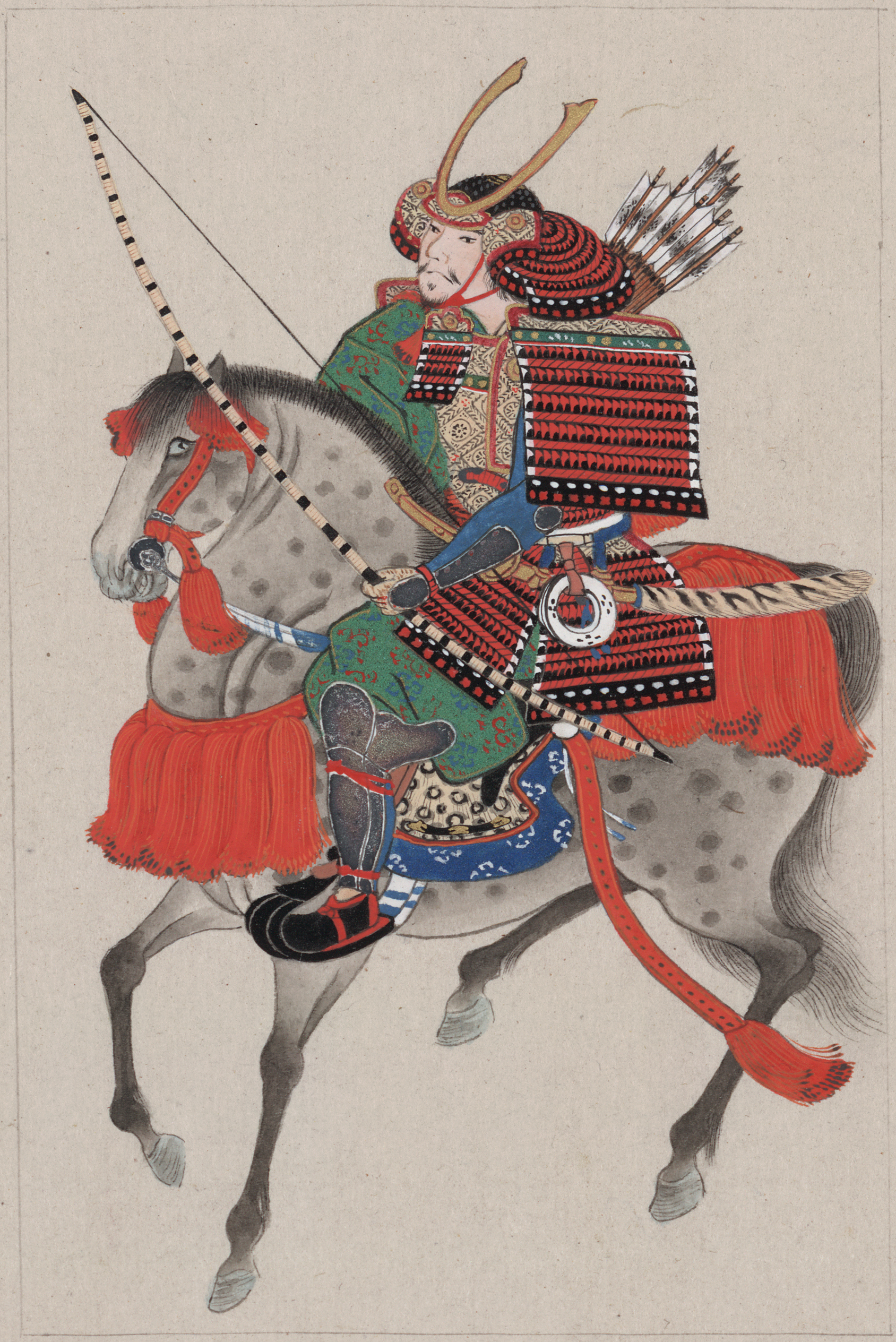
The samurai's effectiveness stemmed from rigorous, lifelong training and a specialized skill set. Their primary martial arts included kenjutsu (swordsmanship), kyudo (archery, often from horseback), and bajutsu (horsemanship). Mastery of the katana and wakizashi (collectively known as daisho) was paramount, requiring years of dedicated practice under renowned swordsmiths and martial arts masters. Beyond combat, samurai were educated in classical Chinese literature, shodo (calligraphy), haiku poetry, and Confucian philosophy, preparing them for roles as provincial governors, judges, and bureaucrats. This dual focus on martial discipline and scholarly pursuits was codified in Bushido, the unwritten ethical code emphasizing loyalty, self-discipline, honor, and courage, often to the point of death.
📊 Key Facts & Numbers
The katana, their iconic weapon, could take months to forge. The Sengoku period (c. 1467–1615) was a time of endemic warfare. The Meiji Restoration in 1868 officially dissolved the samurai class, with stipends paid to former samurai to facilitate their integration into a new society. The last significant samurai uprising was the Satsuma Rebellion in 1877, led by Saigo Takamori, which ultimately failed against the modernized Imperial Japanese Army.
👥 Key People & Organizations
Key figures associated with the samurai include Miyamoto Musashi, a legendary swordsman and philosopher renowned for his undefeated duels and the treatise The Book of Five Rings. Oda Nobunaga, Toyotomi Hideyoshi, and Tokugawa Ieyasu were instrumental in unifying Japan during the late 16th century, consolidating power and establishing the foundations for the Tokugawa Shogunate. Saigo Takamori, often called the 'last samurai', led the aforementioned Satsuma Rebellion. Organizations like the Shinsengumi, a special police force in Kyoto during the late shogunate, exemplify the samurai's role in maintaining order. The Imperial Japanese Army, established post-Meiji, gradually absorbed and replaced the samurai's military function.
🌍 Cultural Impact & Influence
The samurai's influence extends far beyond Japan's borders, deeply embedding itself in global perceptions of martial discipline and honor. Their aesthetic, particularly the elegance of the katana and the minimalist design of samurai armor, has inspired countless films, anime, and video games, such as Ghost of Tsushima and Sekiro: Shadows Die Twice. The philosophy of Bushido continues to be studied and adapted in business leadership and personal development, emphasizing integrity and resilience. Martial arts derived from samurai traditions, including kendo, iaido, and jujutsu, are practiced by millions worldwide, preserving and evolving the samurai's combat techniques. The samurai's enduring mystique solidifies their status as iconic figures in global popular culture.
⚡ Current State & Latest Developments
While the samurai class was formally abolished in 1868, their cultural and ideological legacy persists. Modern Japan grapples with the samurai's historical role, particularly concerning their association with imperialism and militarism in the 20th century. Descendants of samurai families often maintain a strong sense of heritage, and some continue to be involved in traditional martial arts or cultural preservation. The concept of the 'salaryman' in contemporary Japan is sometimes seen as a secularized echo of samurai discipline and loyalty to an organization. Furthermore, the global fascination with samurai continues unabated, with new media adaptations and historical reinterpretations constantly emerging, ensuring their continued presence in the cultural zeitgeist.
🤔 Controversies & Debates
The samurai are often romanticized, leading to debates about the reality versus the myth of their honor code. Critics point to the brutality and ruthlessness that characterized much of samurai warfare, particularly during the Sengoku period, questioning the purity of Bushido as a universally noble doctrine. The samurai's exclusive privileges, such as the right to execute commoners for disrespect (kirisute gomen), highlight the inherent class inequality of the system. Furthermore, the samurai's role in Japan's imperial expansion in the 20th century is a point of contention, with some arguing that their legacy contributed to a militaristic national identity. The portrayal of samurai in Western media often simplifies their complex history, focusing on stylized violence rather than their administrative and cultural roles.
🔮 Future Outlook & Predictions
The future of the samurai's legacy lies in how their ideals are interpreted and applied in a modern context. While direct martial practice continues through kendo and other disciplines, the philosophical aspects of Bushido are likely to see ongoing adaptation in fields like ethics, leadership, and conflict resolution. There's a potential for increased academic and popular interest in the administrative and scholarly contributions of samurai, moving beyond the warrior archetype. As global interest in Japanese culture remains strong, the samurai will likely continue to be a potent symbol, though the challenge will be to present a more nuanced and historically accurate portrayal that acknowledges both their achievements and their problematic aspects, avoiding simplistic glorification.
💡 Practical Applications
Samurai traditions have found practical applications in various fields. Kendo, a modern martial art derived from samurai swordsmanship, is a competitive sport and a discipline for physical and mental development. Iaido, the art of drawing the sword, is practiced for its meditative and precision-based movements. Samurai philosophies of discipline, focus, and strategic thinking, often encapsulated in The Book of Five Rings by Miyamoto Musashi, are studied in business schools and leadership training programs. The aesthetic principles of samurai culture, such as simplicity and functionality in design, continue to influence modern Japanese aesthetics and product design, from minimalist architecture to the sleek lines of Toyota vehicles. Even the concept of meticulous craftsmanship, exemplified by the katana, informs modern approaches to quality and artisanal production.
Key Facts
- Category
- history
- Type
- topic