
Contents
Overview
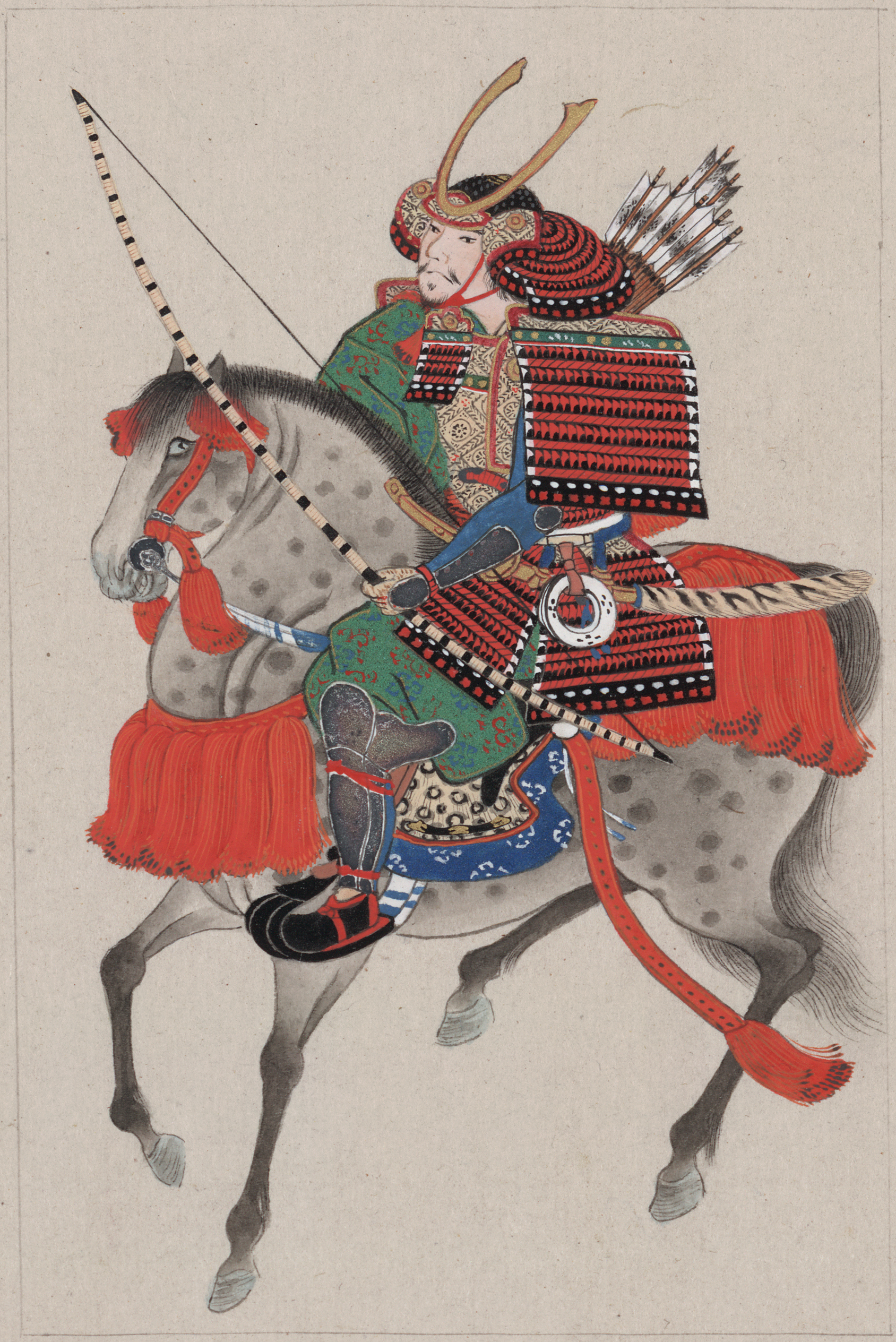
Samurai history chronicles the evolution of Japan's professional warrior class, a lineage that spanned nearly a millennium. Originating as provincial warriors, they ascended to political and military dominance, culminating in a period where they became a hereditary ruling elite, embodying a strict code of conduct known as bushido. Their martial prowess, centered on the katana and yumi (bow), was complemented by scholarly pursuits in literature, calligraphy, and Neo-Confucianism. The arrival of Commodore Perry and Western military technology rendered their traditional skills obsolete, leading to their eventual disbandment and transformation into modern society, leaving an indelible mark on Japanese culture and global perception.
🎵 Origins & History
The samurai class emerged from the need for provincial warriors, known as saburau (those who serve). Initially, these warriors were provincial landowners and their retainers, tasked with maintaining order and collecting taxes for the imperial court. As the central government's authority waned, powerful regional clans like the Taira and Minamoto rose, leading to the Genpei War. The Minamoto victory established the Kamakura Shogunate, marking the first time samurai held direct political power, shifting governance from the aristocracy to the warrior class. This period solidified their military dominance and laid the groundwork for centuries of samurai rule, punctuated by periods of intense conflict like the Sengoku period (Warring States period).
⚙️ How It Worked: The Samurai System
The samurai system was a complex feudal structure where loyalty and service were paramount. Samurai served daimyo (feudal lords) who, in turn, owed allegiance to the shogun, the military dictator. This hierarchy dictated land ownership, stipends, and military obligations. Samurai were trained from childhood in martial arts such as kenjutsu (swordsmanship), kyudo (archery), and sojutsu (spear fighting), alongside horsemanship. Beyond warfare, they were expected to be cultured individuals, studying Zen Buddhism, calligraphy, poetry, and administration, reflecting the ideals of bushido, the samurai code of honor. This dual focus on martial skill and intellectual refinement distinguished them from mere soldiers.
📊 Key Facts & Numbers
The samurai class comprised approximately 5-10% of Japan's population during its peak. Their stipends, paid in koku (rice units), varied widely. The Edo period saw a significant shift, with samurai transitioning from active warriors to administrators and bureaucrats, with many receiving stipends as low as 10 koku, barely enough to sustain themselves. The cost of maintaining a samurai family, including elaborate kimono and weaponry, could be substantial, leading to economic hardship for lower-ranking samurai. The abolition of the class system saw the new government compensate former samurai.
👥 Key People & Organizations
Key figures shaped samurai history, from clan leaders to influential philosophers. Minamoto no Yoritomo founded the Kamakura Shogunate, establishing samurai rule. Oda Nobunaga, Toyotomi Hideyoshi, and Tokugawa Ieyasu unified Japan, leading to the establishment of the Tokugawa Shogunate and the long peace of the Edo period. Miyamoto Musashi, a legendary swordsman and philosopher, exemplified the warrior ideal through his duel with Sasaki Kojiro and his treatise The Book of Five Rings. Saigo Takamori, often called the 'last samurai', led the Satsuma Rebellion against the Meiji government, a final stand for the old ways.
🌍 Cultural Impact & Influence
The samurai's influence permeates Japanese culture and global perceptions of Japan. Their code of bushido, emphasizing loyalty, honor, and self-discipline, continues to be a touchstone in discussions of Japanese identity. The iconic image of the samurai, wielding a katana and clad in samurai armor, has been immortalized in countless films, books, and video games, such as Ghost of Tsushima and Sekiro: Shadows Die Twice. Their aesthetic, from the minimalist design of Zen gardens to the intricate craftsmanship of their swords, has inspired artists and designers worldwide. The concept of the samurai has become a global symbol of stoicism and martial excellence.
⚡ Current State & Latest Developments
While the samurai class was officially abolished, their legacy endures. Modern Japan grapples with the samurai's historical role, particularly concerning their association with Japanese imperialism and wartime militarism. Contemporary discussions often revolve around the romanticized versus the historical reality of the samurai. The martial arts derived from samurai traditions, such as kendo, iaido, and aikido, remain popular globally, with millions practicing them today. The enduring fascination with samurai culture ensures their continued presence in popular media and academic study.
🤔 Controversies & Debates
The romanticization of the samurai is a significant point of contention. Critics argue that the idealized image of bushido often glosses over the brutality, corruption, and social stratification inherent in the samurai system. The samurai's role in enforcing a rigid social hierarchy, their participation in wars, and their historical privilege are often downplayed in favor of a more palatable narrative of honor and discipline. Furthermore, the samurai's eventual suppression of peasant uprisings and their complicity in later imperial expansion are subjects of ongoing historical debate. The notion of the samurai as purely noble warriors is a modern construct that often overlooks the complexities and darker aspects of their history.
🔮 Future Outlook & Predictions
The future of samurai history lies in its continued reinterpretation and adaptation. As global interest in Japanese culture grows, so too will the demand for accurate, nuanced portrayals of the samurai. Future developments may include more in-depth academic research challenging existing narratives, interactive historical simulations that offer deeper engagement with samurai life, and continued evolution of samurai-inspired martial arts and philosophies. The potential for new media to explore lesser-known aspects of samurai history, such as the lives of female warriors (onna-bugeisha) or the economic struggles of lower-ranking samurai, remains vast. The enduring appeal of the samurai suggests their story will continue to be told and retold for generations.
💡 Practical Applications
Samurai history offers practical applications in leadership training, ethics, and martial arts. The principles of bushido, such as discipline, loyalty, and strategic thinking, are frequently cited in business and military leadership programs. The meticulous craftsmanship of samurai swords, particularly the nihonto, continues to inspire metallurgists and artisans. The philosophical underpinnings of samurai culture, particularly Zen Buddhism and its emphasis on mindfulness and present-moment awareness, are applied in modern psychology and meditation practices. Furthermore, the historical study of samurai warfare provides valuable insights into pre-industrial military strategy and logistics, relevant to military historians and strategists.
Key Facts
- Category
- history
- Type
- concept