
Contents
Overview
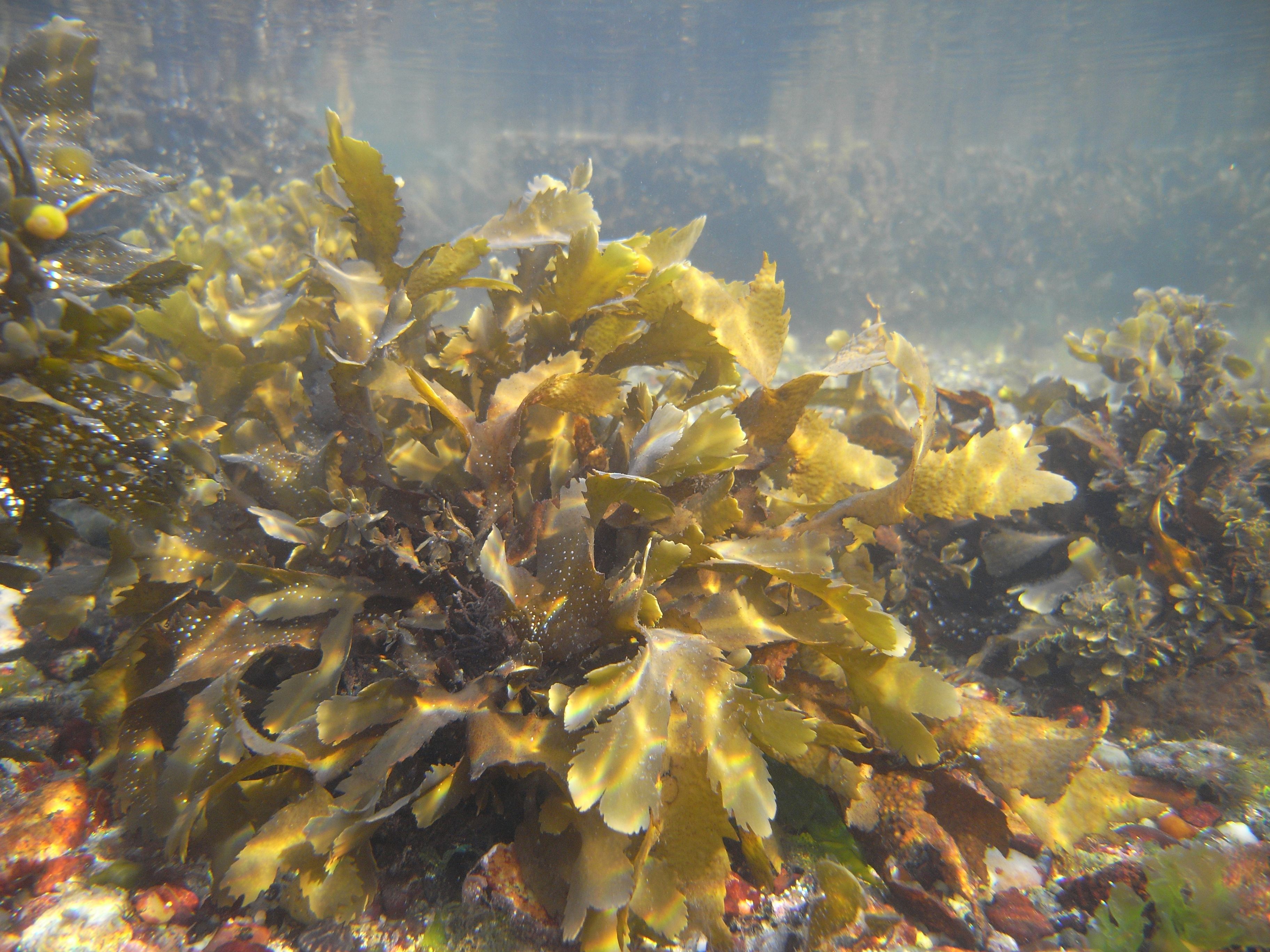
Seaweed, scientifically known as macroalgae, encompasses thousands of species of multicellular marine algae, primarily categorized as red (Rhodophyta), brown (Phaeophyta), and green (Chlorophyta). These underwater powerhouses are critical to marine ecosystems, providing vital habitat for countless species, including commercially important fisheries, and acting as significant carbon sinks. Beyond their ecological roles, seaweeds are a cornerstone of human history, utilized for food, fertilizer, and medicine across diverse cultures for millennia. Today, seaweed farming is a burgeoning global industry, highlighting its growing importance in food security, biofuels, and bioplastics, even as natural ecosystems face threats from climate change and human activities.
🎵 Origins & History
Humans began interacting with macroalgae thousands of years ago, likely as a readily available food source along coastlines. This historical reliance underscores seaweed's deep roots in human civilization, predating many modern agricultural practices.
⚙️ How It Works
Seaweed, or macroalgae, functions as a primary producer in marine environments, converting sunlight, carbon dioxide, and nutrients into energy through photosynthesis. Unlike terrestrial plants, they lack true roots, stems, and leaves, instead possessing holdfasts for anchoring, stipes for support, and blades for light absorption. These underwater powerhouses are critical to marine ecosystems, providing vital habitat for countless species. Many species are significant carbon sequesters, absorbing atmospheric CO2 and playing a vital role in regulating global climate. Their rapid growth rates and ability to thrive in diverse marine conditions make them highly efficient biological machines for nutrient cycling and oxygen production.
📊 Key Facts & Numbers
The global seaweed market is a colossal enterprise, highlighting its growing importance in food security, biofuels, and bioplastics. These marine plants are incredibly efficient. Furthermore, seaweed biomass is a nutrient-dense resource. The potential for biofuel production from seaweed is also substantial.
👥 Key People & Organizations
While no single individual can claim to 'own' seaweed, pioneers in its cultivation and research have shaped its modern trajectory. Organizations like the World Seaweed Industry Association (WSIA) and the Food and Agriculture Organization of the United Nations (FAO) play crucial roles in promoting sustainable seaweed farming and research. In the United States, initiatives like the Greenwave organization, founded by Bren Smith, are at the forefront of developing regenerative ocean farming models that integrate seaweed with shellfish, creating diversified and resilient coastal economies. These entities and individuals are driving innovation and advocacy for this vital marine resource.
🌍 Cultural Impact & Influence
Seaweed's cultural footprint is vast and varied. In East Asian cuisines, nori (used in sushi rolls), kombu (for dashi broth), and wakame (in miso soup) are staples, deeply embedded in culinary traditions. Traditional practices in Ireland and Scotland involved using seaweed as fertilizer and even as a source of iodine. The aesthetic appeal of seaweed, from the vibrant greens of sea lettuce to the deep reds of dulse, has also inspired artists and designers. Its perceived health benefits have propelled it into the global wellness market, influencing diets and supplement trends worldwide, demonstrating its pervasive influence across societal domains.
⚡ Current State & Latest Developments
The seaweed industry is experiencing unprecedented growth, driven by demand for sustainable food sources, bioplastics, and biofuels. Innovations in offshore farming technology, including automated harvesting systems and advanced cultivation techniques, are expanding the potential for large-scale production. Companies like CP Kelco are major players in extracting carrageenan and alginate for use as thickeners and stabilizers in food and industrial products. The development of seaweed-based bioplastics, offering a biodegradable alternative to petroleum-based plastics, is a rapidly advancing frontier. Furthermore, research into seaweed's potential for carbon sequestration and its role in mitigating ocean acidification is gaining momentum, positioning it as a key tool in climate change solutions. The recent surge in investment and research highlights seaweed's transition from a niche product to a mainstream solution provider.
🤔 Controversies & Debates
The expansion of seaweed farming is not without its controversies. Concerns exist regarding the potential for monoculture farming to impact biodiversity and marine ecosystems, especially if non-native species are introduced or if large-scale farms disrupt natural currents and habitats. The intensive harvesting of wild seaweed, particularly kelp forests, by mechanical dredging has been criticized for destroying crucial nursery grounds for fisheries and other marine life. Furthermore, debates surround the precise environmental benefits, with some studies questioning the scale of carbon sequestration achieved by farmed seaweed compared to natural ecosystems. Ethical considerations regarding labor practices in some large-scale farming operations also surface periodically.
🔮 Future Outlook & Predictions
The future of seaweed is exceptionally bright, with projections pointing towards continued exponential growth. Experts anticipate a significant role for seaweed in global food security, particularly in regions facing agricultural challenges. The development of advanced biorefinery techniques will unlock new high-value products, from pharmaceuticals and nutraceuticals to sustainable textiles and advanced biofuels. Research into seaweed's capacity for bioremediation – cleaning up pollutants and excess nutrients from waterways – is also a promising area. As climate change intensifies, seaweed's role as a carbon sink and its potential to help restore marine ecosystems will become increasingly critical. We can expect to see more integrated multi-trophic aquaculture systems, where seaweed farms coexist with shellfish and finfish, creating more sustainable and circular marine economies.
💡 Practical Applications
Seaweed's practical applications are remarkably diverse. It's a fundamental ingredient in numerous food products, providing umami flavor, texture, and nutritional value in everything from sushi wraps and soups to snacks and seasonings. Industrially, extracts like carrageenan and alginate are indispensable as gelling agents, emulsifiers, and stabilizers in dairy products, cosmetics, and pharmaceuticals. Seaweed is also a potent source of fertilizers, enriching soil with essential nutrients and improving water retention. Emerging applications include its use in animal feed to reduce methane emissions from livestock, in the production of biodegradable plastics, and as a feedstock for biofuels. Its potential for wastewater treatment, absorbing excess nitrogen and phosphorus, is also being explored by municipalities and industries.
Key Facts
- Category
- nature
- Type
- topic