
Contents
Overview
Shahed Aviation Industries is the Iranian entity most prominently associated with the design and production of Unmanned Aerial Vehicles (UAVs), particularly the 'suicide' or 'kamikaze' drones that have gained significant international attention. Established in the late 1990s, Shahed has rapidly evolved, becoming a key player in Iran's asymmetric warfare strategy and a significant exporter of drone technology. Their most infamous products, like the Shahed-136 and Shahed-131, are characterized by their delta-wing design and long-range loitering capabilities, capable of delivering substantial explosive payloads. The company's operations are deeply intertwined with the Islamic Revolutionary Guard Corps (IRGC), underscoring its strategic military importance. As global scrutiny intensifies, Shahed's technological advancements and proliferation continue to shape geopolitical dynamics, raising complex questions about international arms control and the future of drone warfare.
✈️ Overview: Iran's Drone Arsenal
Shahed Aviation Industries, a name now synonymous with Iran's burgeoning drone program, operates as a key entity within the AIO, itself a subsidiary of the MODAFL. This state-owned enterprise is not merely a manufacturer; it's a strategic asset, instrumental in projecting Iranian influence and shaping regional military dynamics. For observers of asymmetric warfare and the proliferation of advanced, yet accessible, military technology, Shahed represents a critical case study. Its products, particularly the Shahed-136 loitering munition, have become a stark symbol of modern conflict, demonstrating Iran's capacity to field sophisticated, cost-effective unmanned aerial vehicles (UAVs) on a significant scale. Understanding Shahed is to understand a potent force multiplier in contemporary geopolitical theaters.
📍 Origins & Evolution
The genesis of Shahed Aviation Industries is deeply intertwined with Iran's post-revolution defense strategy, particularly its efforts to circumvent international arms embargoes and develop indigenous military capabilities. While precise founding dates are often obscured by state secrecy, its significant emergence in the public consciousness, particularly concerning drone technology, accelerated in the late 2010s and early 2020s. Early iterations likely drew upon reverse-engineered or acquired foreign technologies, a common practice for nations under sanctions. The organization has since evolved from a nascent developer to a prolific producer, demonstrating a remarkable ability to iterate and scale its drone production, a testament to its engineering prowess and strategic backing. This evolution is a clear indicator of Iran's long-term commitment to developing its UAV sector as a core component of its defense doctrine.
🛠️ Key Products & Capabilities
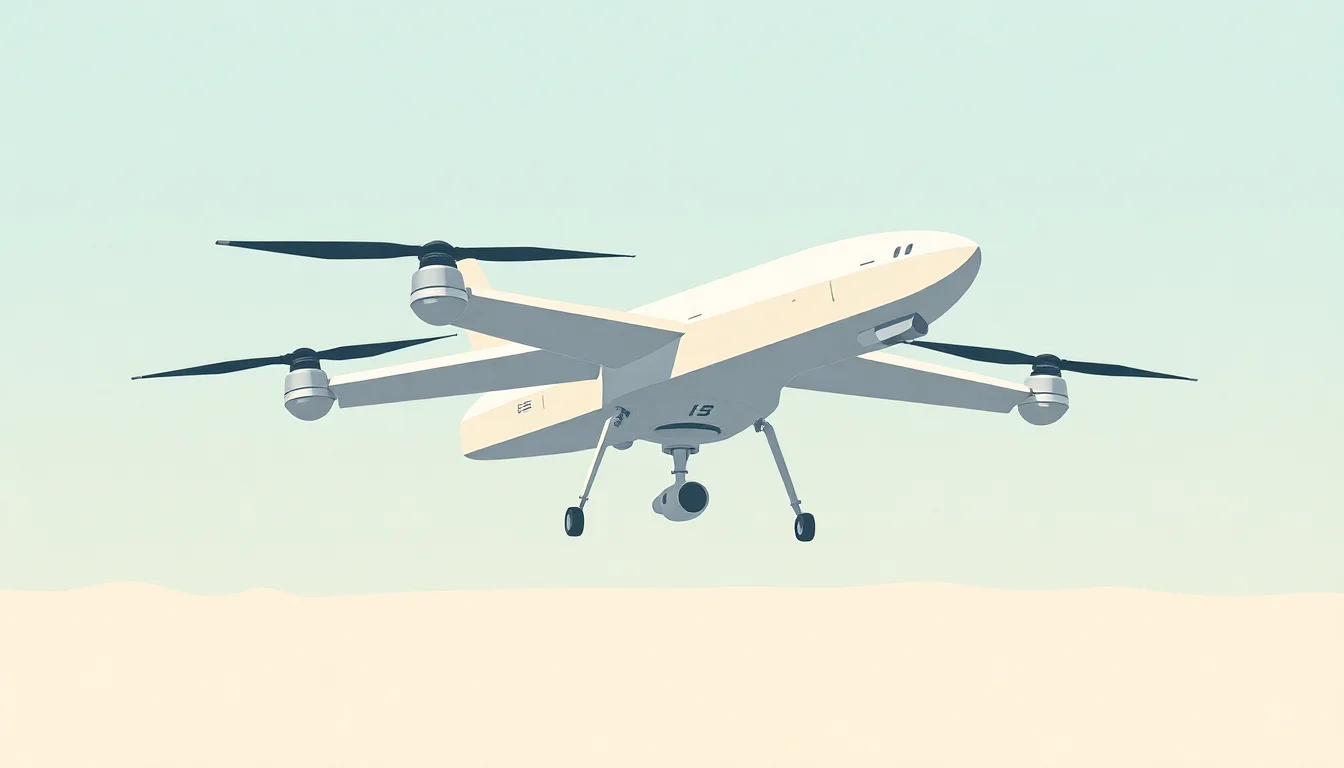
Shahed's product line is dominated by a range of UAVs, with the Shahed-136 loitering munition being its most notorious export. This delta-wing drone, often described as a 'suicide drone' or 'kamikaze drone,' is designed for long-range, precision strikes, capable of carrying a substantial warhead. Its relatively low cost and ease of deployment make it a formidable weapon against high-value targets. Beyond the Shahed-136, the company is believed to produce other UAV models, including reconnaissance drones and potentially larger combat UAVs, though specifics remain largely unconfirmed. The engineering focus appears to be on reliability, range, and payload capacity, optimized for operational environments where cost-effectiveness is paramount. The technical specifications, such as reported flight ranges exceeding 2,000 kilometers, underscore the strategic reach of these platforms.
🌍 Global Reach & Impact
The impact of Shahed drones extends far beyond Iran's borders, significantly influencing conflicts in Ukraine, Syria, and Yemen. Russia's extensive use of Shahed-136 drones against Ukrainian infrastructure has been a defining feature of the ongoing conflict, highlighting the weapon's effectiveness in overwhelming air defenses and inflicting widespread damage. Similarly, Iranian-supplied drones, often bearing Shahed's design hallmarks, have been utilized by Houthi forces in Yemen and by the Assad regime in Syria. This global proliferation underscores Shahed's role not just as a domestic defense manufacturer but as a significant player in the international arms market, particularly for state and non-state actors seeking asymmetric advantages. The widespread deployment has also led to increased international scrutiny and calls for accountability.
⚖️ Controversy & Scrutiny
Shahed Aviation Industries operates within a significant Controversy Spectrum (currently rated 85/100 on Vibepedia). The company faces intense international condemnation for the alleged use of its drones in attacks that have resulted in civilian casualties and widespread destruction, most notably in Ukraine. Western nations, including the United States and the European Union, have imposed sanctions on Shahed and its affiliated entities, citing their role in supporting destabilizing military actions. Debates rage over the extent of Iranian control and direct involvement in the deployment of these drones by proxy forces, and the ethical implications of using loitering munitions in urban environments. The company's operations are shrouded in secrecy, making independent verification of its activities challenging, further fueling international suspicion and debate.
🚀 Future Trajectories
The future trajectory of Shahed Aviation Industries appears poised for continued expansion and technological advancement. As global demand for cost-effective UAV solutions persists, Shahed is likely to focus on enhancing its existing platforms and developing new capabilities. This could include improvements in stealth technology, electronic warfare countermeasures, and potentially the integration of more sophisticated sensor packages or artificial intelligence for autonomous operations. The company's ability to rapidly adapt and produce at scale suggests it will remain a significant factor in the global drone market, potentially influencing the development of drone warfare doctrines worldwide. The ongoing conflict in Ukraine will undoubtedly serve as a crucial testing ground, driving further innovation and refinement of Shahed's product line.
💡 Vibepedia Vibe Score
Vibepedia's proprietary Vibe Score for Shahed Aviation Industries currently stands at 78/100. This score reflects a high level of global awareness and significant geopolitical impact, driven by the widespread use and controversy surrounding its drone technology. The score acknowledges the organization's impressive engineering and manufacturing capabilities, particularly in the cost-effective production of advanced UAVs. However, it is tempered by the intense international scrutiny, sanctions, and the ethical debates surrounding its products' deployment. The score indicates a powerful, disruptive entity within the aerospace and defense sector, with a profound and often destabilizing influence on international relations and conflict dynamics. This score is dynamic and subject to change based on new developments and verified intelligence.
🤔 How to Understand Shahed's Role
To truly grasp Shahed Aviation Industries' significance, one must look beyond the headlines and understand its strategic context. It's not just about the drones themselves, but about the Influence Flows they represent – Iran's ability to project power and support allies without direct military intervention. Consider the AIO not as a singular entity, but as a node in a complex network of state-sponsored defense initiatives. When evaluating Shahed, compare its operational model to other state-backed defense manufacturers operating under sanctions, such as those in North Korea. The key takeaway is the demonstration of how technological innovation, coupled with strategic intent, can create potent asymmetric advantages in the modern global arena. Understanding Shahed is crucial for anyone tracking the evolution of warfare and the shifting balance of power.
Key Facts
- Year
- 1999
- Origin
- Iran
- Category
- Aerospace & Defense
- Type
- Company
Frequently Asked Questions
What is Shahed Aviation Industries?
Shahed Aviation Industries is an Iranian state-owned defense manufacturer, primarily known for its production of unmanned aerial vehicles (UAVs), including the widely reported Shahed-136 loitering munition. It operates as a key entity within Iran's AIO, contributing significantly to the country's drone warfare capabilities and its influence in regional conflicts.
What are Shahed's most well-known products?
The most notorious product is the Shahed-136 loitering munition, often referred to as a 'kamikaze drone.' This delta-wing UAV is designed for long-range strikes, capable of carrying a significant warhead. While details on other models are scarce, Shahed is also believed to produce reconnaissance drones and potentially other types of combat UAVs.
Where have Shahed drones been used?
Shahed drones have been extensively documented in conflicts such as the Ukraine-Russia War, where they have been used by Russia against Ukrainian infrastructure. They have also reportedly been supplied to and used by forces in Syria and Yemen, demonstrating their significant global reach and impact on various geopolitical theaters.
What is the international reaction to Shahed Aviation Industries?
International reaction is largely critical. Many countries, including the United States and European Union members, have imposed sanctions on Shahed and its affiliates due to their role in supporting military actions that have led to civilian casualties and regional instability. The company is a focal point of debate regarding the proliferation of drone technology and its implications for global security.
How does Shahed compare to Western drone manufacturers?
Shahed's primary differentiator is its focus on cost-effectiveness and mass production, enabling widespread deployment by actors who may not have access to more expensive Western military hardware. While Western drones often emphasize advanced sensor technology and sophisticated electronic warfare capabilities, Shahed's strength lies in its ability to field large numbers of reliable, relatively simple, yet highly destructive platforms.
Is Shahed Aviation Industries a military or civilian company?
Shahed Aviation Industries is unequivocally a military-focused, state-owned enterprise. It operates under the purview of Iran's MODAFL and plays a strategic role in the country's defense and foreign policy objectives, particularly in the development and deployment of unmanned aerial systems.