
Contents
Overview
The roots of the shipping industry stretch back to antiquity. Early civilizations like the Phoenicians, Greeks, and Romans mastered seafaring for commerce and conquest, establishing trade routes across the Mediterranean. The Age of Exploration in the 15th and 16th centuries, driven by figures like Christopher Columbus and Ferdinand Magellan, dramatically expanded maritime reach, ushering in an era of global trade and colonial expansion. The Industrial Revolution in the 18th and 19th centuries saw the advent of steam-powered ships, which revolutionized speed and reliability, paving the way for modern shipping. The 20th century witnessed the rise of containerization, pioneered by Malcolm McLean with his first container ship, the Ideal X, fundamentally transforming cargo handling and global logistics, making international trade more efficient and affordable than ever before.
⚙️ How It Works
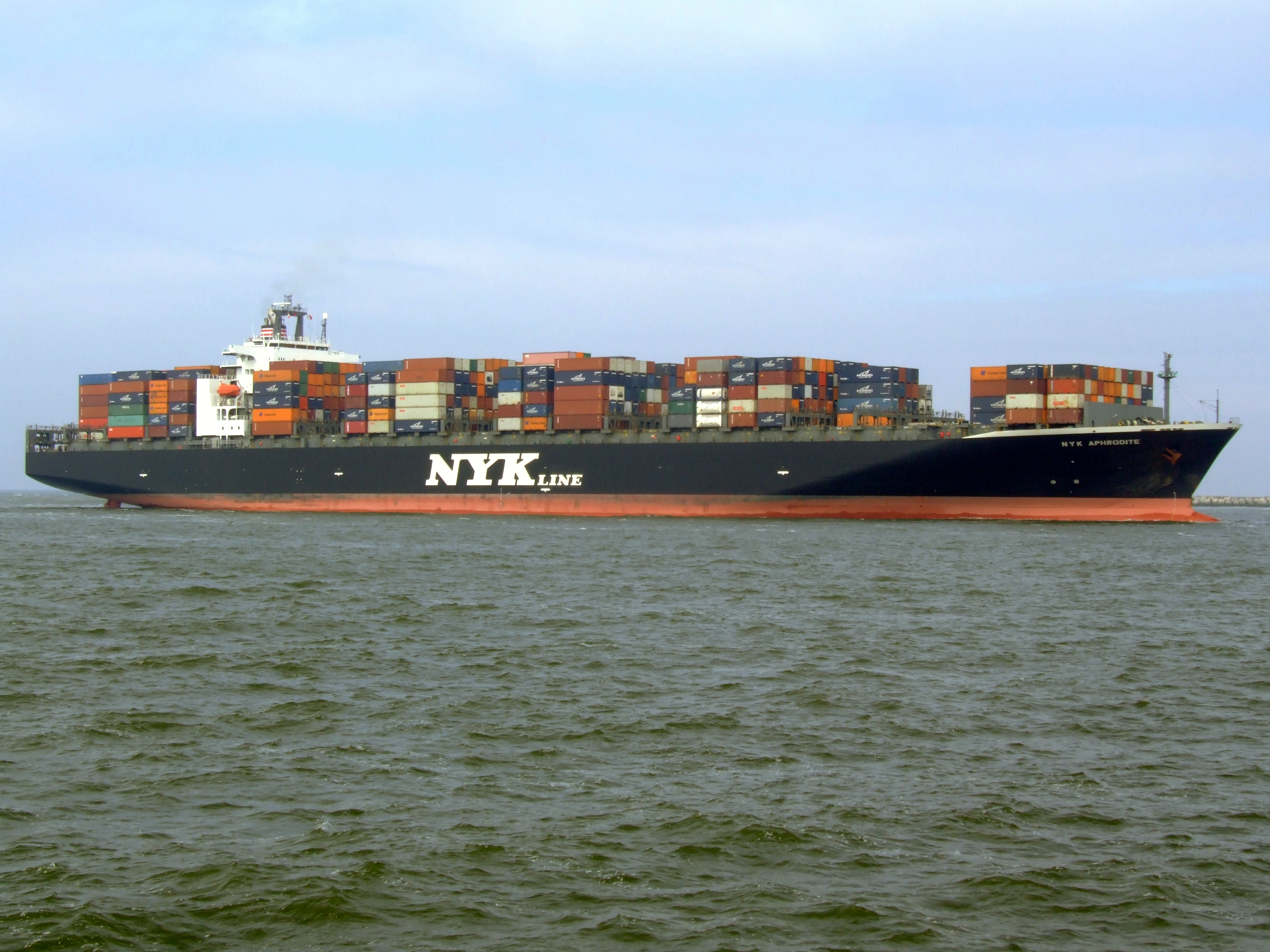
At its core, the shipping industry operates through a complex network of vessels, ports, and logistics providers. Cargo is typically categorized into three main types: dry bulk (like coal, grain, and ore), liquid bulk (oil, chemicals, and gas), and general cargo, predominantly carried in standardized shipping containers. These containers are loaded onto massive container ships at major ports, such as Singapore or Rotterdam, which are equipped with specialized cranes and infrastructure. Once at sea, ships navigate established maritime routes, often guided by GPS and sophisticated traffic management systems. Upon arrival at their destination port, containers are offloaded and transferred to other modes of transport—trucks or trains—for final delivery. The entire process is managed by shipping lines, freight forwarders, and port authorities, coordinating schedules, customs clearance, and cargo tracking through digital platforms like TradeSys Global.
📊 Key Facts & Numbers
The scale of the shipping industry is staggering. Container shipping alone handles millions of TEU (Twenty-foot Equivalent Unit) containers each year. The industry's economic footprint is immense, contributing trillions of dollars to the world economy. The average transit time for a container ship between Asia and Europe is approximately 30-40 days, a testament to the speed and efficiency achieved despite the vast distances covered.
👥 Key People & Organizations
Key players in the shipping industry include major global shipping lines such as A.P. Moller – Maersk, CMA CGM, and MSC Mediterranean Shipping Company. These companies operate vast fleets and extensive route networks. Port operators like DP World and PSA International manage critical infrastructure for loading and unloading. Regulatory bodies like the International Maritime Organization (IMO) set global standards for safety, security, and environmental protection. Prominent figures who shaped the industry include Malcolm McLean, the father of containerization, and Yann Le Quilleuc, a modern innovator in maritime digitalization. Organizations like the International Chamber of Shipping represent shipowners globally, advocating for industry interests.
🌍 Cultural Impact & Influence
The shipping industry's cultural impact is profound, though often indirect. It has enabled globalization, connecting disparate economies and cultures, making goods from around the world accessible and affordable. The iconic image of a massive container ship has become a symbol of modern commerce and interconnectedness. Historically, maritime trade fueled empires and cultural exchange, from the Silk Road to the spice trade. In popular culture, the romance and peril of sea voyages have inspired countless books, films, and artworks, from Herman Melville's Moby Dick to the thrilling narratives of naval warfare. The industry's efficiency has also contributed to the rise of consumerism, making a vast array of products readily available to a global populace. The very rhythm of international commerce is dictated by the schedules of these colossal vessels.
⚡ Current State & Latest Developments
The shipping industry is currently navigating a period of significant transformation. The push for decarbonization, driven by IMO regulations like IMO 2020 and the push towards green shipping, is leading to the development of alternative fuels such as LNG, methanol, and ammonia, alongside investments in wind-assisted propulsion. Digitalization is rapidly advancing, with technologies like AI, blockchain, and the IoT being implemented for route optimization, predictive maintenance, and enhanced supply chain visibility. Geopolitical tensions, such as the disruptions in the Red Sea in early 2024, highlight the industry's vulnerability to global instability and the need for resilient supply chains. The ongoing consolidation among major carriers continues to reshape the competitive landscape, with the top carriers controlling an ever-larger share of the market.
🤔 Controversies & Debates
The shipping industry faces several significant controversies. Environmental impact is a major concern, with potential threats to marine ecosystems from incidents like the Exxon Valdez disaster. Labor practices within the industry are also scrutinized, with issues of crew welfare, long contracts, and the impact of automation on seafarer jobs being debated. The concentration of market power among a few mega-carriers raises concerns about fair competition and potential price gouging, particularly during periods of high demand or disruption. Furthermore, the industry's role in facilitating global trade also means it can be implicated in the transport of illicit goods and contribute to the spread of invasive species through ballast water.
🔮 Future Outlook & Predictions
The future of shipping is inextricably linked to sustainability and technological innovation. The IMO's ambitious targets for emissions reduction, aiming for net-zero emissions by or around 2050, will necessitate a complete overhaul of fuel sources and vessel technology. Expect to see a significant increase in dual-fuel vessels capable of running on traditional fuels and cleaner alternatives, alongside further development of electric and hydrogen-powered ships for shorter routes. Digitalization will continue to mature, with autonomous vessels becoming more common for specific operations and advanced data analytics optimizing every facet of the supply chain. The industry will also need to adapt to evolving trade patterns, potentially influenced by geopolitical realignments and the increasing importance of regional supply chains. Investment in port infrastructure to handle new fuel types and digital technologies will be critical.
💡 Practical Applications
The practical applications of the shipping industry are ubiquitous, underpinning virtually every aspect of modern life. It is essential for the transport of raw materials like iron ore for steel production, crude oil for energy, and agricultural commodities such as wheat and soybeans that feed populations worldwide. The industry enables the global manufacturing supply chain, moving components to factories and finished goods like automobiles, electronics, and textiles to consumers. Specialized vessels are used for offshore construction, such as in
Key Facts
- Category
- technology
- Type
- topic