
Contents
Overview
The genesis of silent film comedy can be traced back to the earliest days of cinema, around the turn of the 20th century, with pioneers like Georges Méliès experimenting with trick photography for comedic effect. However, the genre truly coalesced in the 1910s with the rise of the nickelodeon and the development of short-form comedic films. Early studios like Keystone Studios, founded by Mack Sennett in 1912, became hotbeds for comedic talent, churning out hundreds of shorts. Sennett's studio was instrumental in developing the slapstick style, characterized by fast-paced action, exaggerated violence, and a general disregard for physical consequences. This era saw the emergence of stars who would define the genre, including Roscoe 'Fatty' Arbuckle and Charlie Chaplin, who quickly moved from Keystone to more prestigious production companies like Essanay Studios and Mutual Film Corporation, refining their comedic personas and storytelling.
⚙️ How It Works
Silent film comedy operated on a purely visual language, relying on a sophisticated interplay of physical performance, facial expression, and inventive staging. The core mechanic was the 'sight gag' – a visual punchline that could range from a simple pratfall to elaborate chase sequences involving multiple characters and props. Slapstick humor, a defining characteristic, often featured characters enduring improbable physical abuse – pies to the face, falls from great heights, collisions with walls – all presented with a stylized, non-realistic quality that elicited laughter rather than shock. Mime and exaggerated gestures were crucial for conveying emotion and narrative, especially for characters like Chaplin's Tramp, who communicated a complex inner life through subtle movements. Comedic timing was paramount, with editors and directors meticulously pacing scenes to maximize the impact of each gag, often employing rapid cuts during moments of physical chaos.
📊 Key Facts & Numbers
The silent film comedy era produced an astonishing volume of content: an estimated 90% of all silent films are now lost, but hundreds of thousands of short comedies were made between 1910 and 1930. By the mid-1910s, top comedians like Charlie Chaplin were earning upwards of $10,000 per week plus a $150,000 signing bonus from First National Pictures, a staggering sum for the time. Feature-length comedies, which became more common in the 1920s, could cost hundreds of thousands of dollars to produce and gross millions at the box office; for instance, Buster Keaton's 1926 film The General cost an estimated $1.25 million, a significant investment. The Hays Code, which would later heavily influence Hollywood content, was not yet in place, allowing for a greater degree of risqué humor and physical violence than would be permissible later. The average runtime for a silent comedy short was typically between 10 to 20 minutes, though feature films could extend to 90 minutes or more.
👥 Key People & Organizations
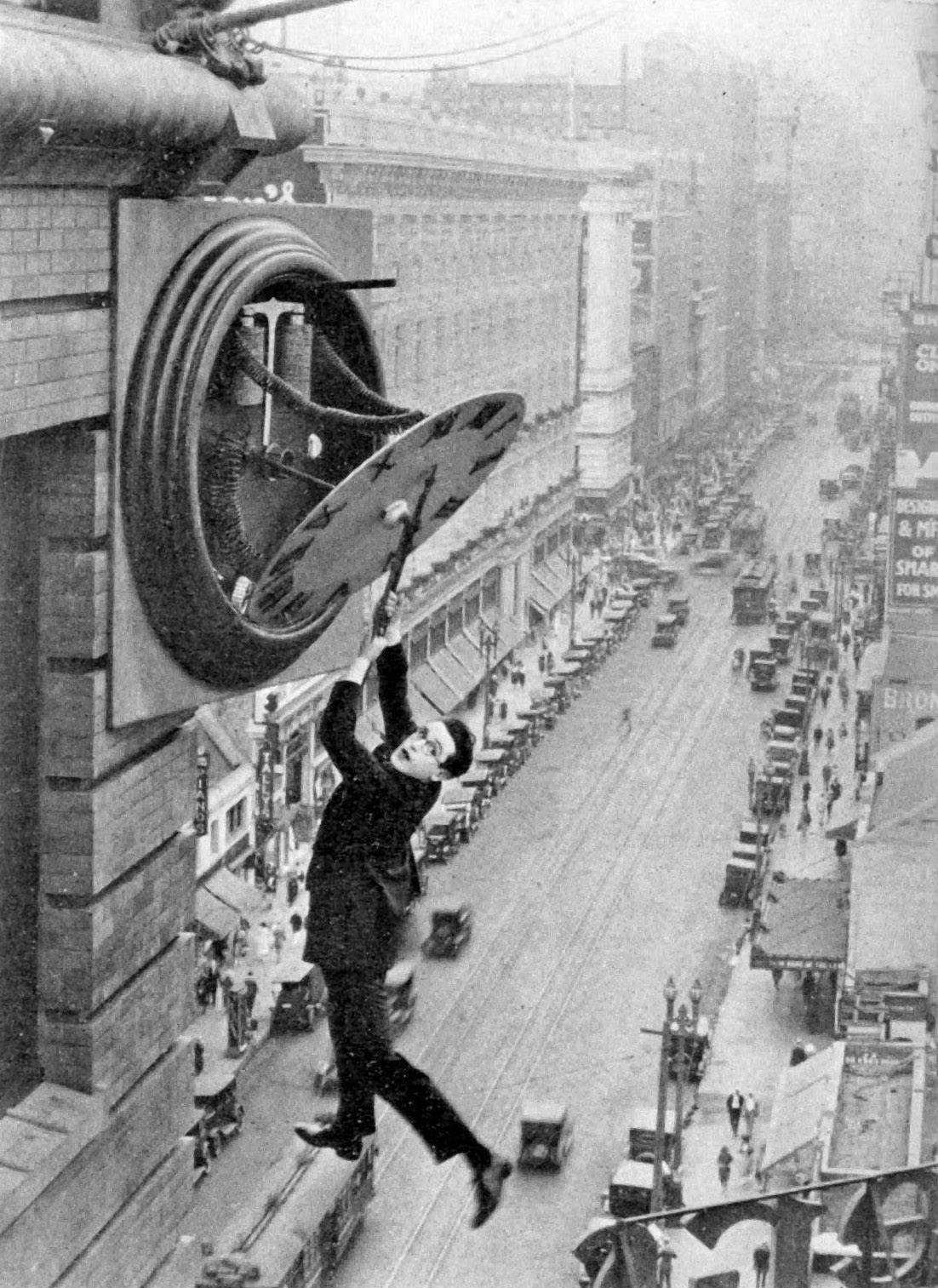
The pantheon of silent film comedy is dominated by a few towering figures. Mack Sennett was the impresario behind Keystone Studios, dubbed the 'King of Comedy,' who discovered and fostered early talent. Charlie Chaplin, arguably the most famous comedian in the world during his era, created the iconic Tramp character, a blend of pathos and physical brilliance. Buster Keaton, known for his stoic demeanor and death-defying stunts, earned the nickname 'The Great Stone Face.' Harold Lloyd perfected the 'thrill comedy,' often featuring him dangling precariously from skyscrapers, as seen in Safety Last!. Other significant figures include Roscoe 'Fatty' Arbuckle, a hugely popular star whose career was derailed by scandal, and directors like Edgar G. Ulmer and Leo McCarey, who honed their comedic craft in the silent era.
🌍 Cultural Impact & Influence
Silent film comedy's influence is immeasurable, having laid the groundwork for much of modern cinematic and comedic expression. Its emphasis on visual storytelling and physical humor directly informed the development of slapstick in later films and television, and its techniques are still employed by comedians today. The global reach of silent comedies, which required no translation, proved that film could be a universal language, paving the way for international film markets. Stars like Charlie Chaplin became cultural icons whose images and personas transcended borders, influencing fashion and social commentary. The genre's innovative use of editing and camera work to enhance comedic effect also pushed the boundaries of filmmaking itself, impacting directors across genres. Even with the advent of sound, the visual comedy grammar established by silent films remained a potent tool in the filmmaker's arsenal.
⚡ Current State & Latest Developments
While the golden age of silent film comedy concluded with the widespread adoption of sound technology in the late 1920s and early 1930s, its spirit endures. Contemporary filmmakers and comedians occasionally revisit the silent format, either as homage or as a deliberate artistic choice. For instance, the 2011 film The Artist achieved critical acclaim and won an Academy Award for Best Picture, demonstrating a modern audience's appreciation for the silent aesthetic. Online platforms like YouTube and Vimeo host countless modern silent comedy shorts created by independent artists, keeping the tradition alive. Film archives and restoration projects, such as those by the George Eastman Museum and the BFI, continue to preserve and reintroduce these classic works to new generations, ensuring their accessibility and historical significance.
🤔 Controversies & Debates
The primary controversy surrounding silent film comedy often centers on the legacy of its stars and the perceived simplicity of its humor. The careers of some prominent figures, most notably Roscoe 'Fatty' Arbuckle, were irrevocably damaged by sensationalized and ultimately unfounded scandal, raising questions about media ethics and the justice system of the era. Furthermore, while celebrated for its visual ingenuity, some critics have argued that the genre, particularly early slapstick, could be overly reliant on crude physical violence and lacked the thematic depth found in later cinematic forms. The debate also extends to the loss of so many films; the fact that an estimated 90% of silent films are lost means our understanding of the genre's full scope and evolution is inherently incomplete, leading to speculation about what comedic masterpieces have vanished forever.
🔮 Future Outlook & Predictions
The future of silent film comedy lies in its continued influence and occasional revival. As digital technology lowers the barrier to entry for filmmakers, we can expect more independent artists to experiment with silent or near-silent comedic forms, leveraging visual storytelling for global reach. The enduring appeal of characters like Chaplin's Tramp suggests a timeless human connection to pathos and resilience expressed through physical comedy. Furthermore, as artificial intelligence and machine learning advance, there's potential for AI to analyze and even generate comedic timing and visual gags based on the principles established by silent film masters, though the human element of performance and emotional resonance will likely remain irreplaceable. The preservation and digitization efforts by institutions like the Library of Congress will ensure that these foundational works remain accessible for study and inspiration.
💡 Practical Applications
While silent film comedy is largely a historical genre, its principles have direct practical applications in various modern contexts. The emphasis on clear visual communication is invaluable in fields like user interface (UI) design and user experience (UX) design, where intuitive visual cues are paramount. The techniques of slapstick and physical comedy are still widely used in children's entertainment, circus perform
Key Facts
- Category
- culture
- Type
- topic