
Contents
Overview
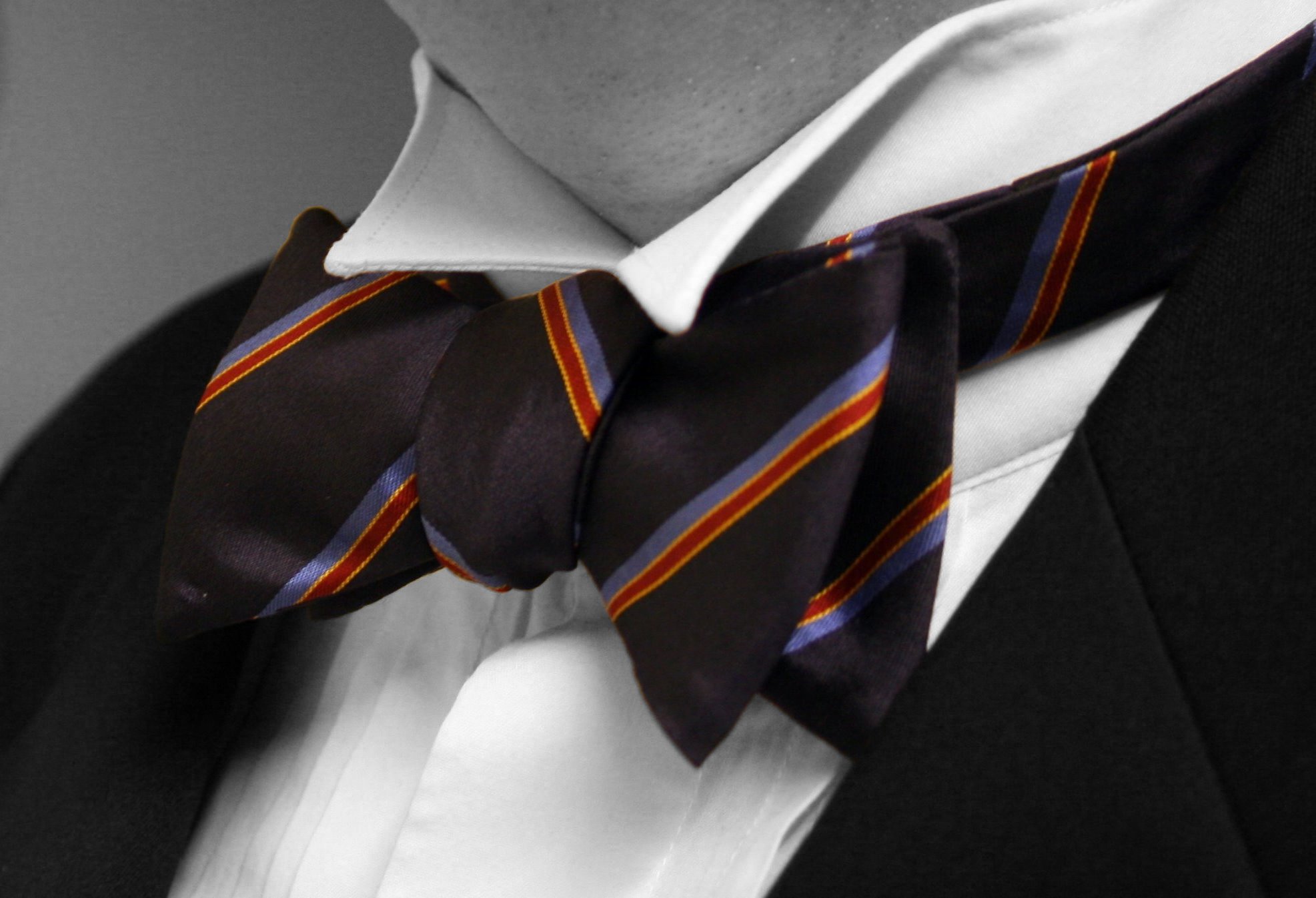
Silk ties, far from being a monolithic accessory, represent a diverse spectrum of craftsmanship, style, and historical influence. From the opulent sheen of grenadine to the subtle texture of foulard, each type of silk tie carries its own narrative. The weave, pattern, and construction dictate not only its aesthetic appeal but also its formality and suitability for various occasions. Understanding these distinctions is crucial for navigating the sartorial landscape, whether one is a seasoned dresser or a neophyte seeking to elevate their wardrobe. The global silk trade, with origins tracing back millennia to ancient China, underpins the very existence of these ties, with Italy and Japan emerging as modern bastions of high-quality silk tie production. The subtle variations in silk ties, often overlooked, speak volumes about the wearer's attention to detail and appreciation for heritage craftsmanship.
🎵 Origins & History
The history of the necktie, and by extension its silk iterations, is a fascinating journey from military necessity to sartorial statement. Ancient Chinese dynasties utilized silk for elaborate garments and adornments, setting a precedent for the luxurious material. By the 18th century, various forms of neckcloths, including those made of fine silk, were de rigueur for European aristocracy. The 19th century saw the emergence of the 'four-in-hand' tie, a more streamlined version that paved the way for the silk ties we recognize today. Brands like Turnbull & Asser and Charvet began to define the standards of quality and design in the late 19th and early 20th centuries, solidifying silk's place as the premier material for formal neckwear.
⚙️ How It Works
The construction of a silk tie is a meticulous process that dictates its drape, knotability, and longevity. A typical silk tie consists of three main parts: the outer shell, the lining, and the interlining. The outer shell is the visible silk fabric, which can be woven in various patterns like paisley, stripes, or geometric patterns. The lining, often made of silk or a silk blend, provides a smooth finish. The interlining, usually made of wool, cotton, or a synthetic blend, is the heart of the tie's structure, giving it body and allowing it to hold a knot. The width of the tie has evolved dramatically over time, from the very wide styles of the 1930s to the slimmer profiles popular in recent decades. The quality of the silk itself, its thread count, and the weaving technique (e.g., jacquard, twill) significantly impact the final product's feel and appearance.
📊 Key Facts & Numbers
Globally, the silk tie market is substantial, with estimates suggesting it's a significant segment within the broader men's accessories market, which itself is valued in the billions of dollars annually. Italy, particularly regions like Como, is a major center for high-quality silk tie production, employing thousands of artisans. The creation of a silk tie can involve numerous individual steps, and while some luxury ties can be quite expensive, more accessible versions are also available. The average lifespan of a well-maintained silk tie can be considerable, making it a durable accessory for many consumers. Silk and silk blends remain the dominant materials for neckties produced globally, underscoring their importance in the formal neckwear category.
👥 Key People & Organizations
The landscape of silk tie creation is populated by a mix of historic houses and contemporary designers. Hermès, founded in 1837, is renowned for its vibrant, artistic silk scarves and ties, which often feature unique, hand-drawn designs. Tom Ford has consistently championed luxurious silk ties as a cornerstone of his sharp, modern menswear collections. In the realm of traditional British tailoring, Drake's of London has maintained a reputation for artisanal, hand-rolled silk ties. Japanese manufacturers, such as Seidensticker (though German, they utilize Japanese silk weaving techniques), are also critical players, known for their precision and innovative weaves like the grenadine. These entities, along with countless smaller workshops, collectively shape the quality and stylistic direction of silk ties worldwide.
🌍 Cultural Impact & Influence
Silk ties have long been a potent symbol of professionalism, status, and sartorial elegance. In the mid-20th century, the tie was an almost mandatory component of a man's daily attire in Western business culture, signifying conformity and adherence to professional norms. The advent of television and film further cemented the image of the powerful executive or the suave gentleman, invariably adorned with a silk tie. Brands like Brooks Brothers played a pivotal role in popularizing the silk tie as a staple of the American businessman's wardrobe. The visual language of silk ties, with their patterns and colors, has also been co-opted by various subcultures and artistic movements, demonstrating their adaptability beyond mere formalwear. The tie's influence extends to how individuals are perceived, often projecting an aura of sophistication and authority, a phenomenon studied in fields like social psychology.
⚡ Current State & Latest Developments
The contemporary silk tie market is experiencing a bifurcation. On one end, there's a resurgence of interest in artisanal, hand-made ties from heritage brands and independent makers, emphasizing quality, unique weaves like shantung, and sustainable production. These often come with a higher price tag but appeal to a discerning clientele. On the other end, fast fashion retailers continue to offer lower-cost, mass-produced silk or silk-blend ties, catering to a broader, more price-sensitive market. The rise of online retailers and direct-to-consumer (DTC) brands has also democratized access to a wider variety of silk ties, bypassing traditional brick-and-mortar limitations. Furthermore, there's a growing trend towards more casual interpretations of the tie, with designers experimenting with knit silk and bolder patterns for less formal occasions.
🤔 Controversies & Debates
The debate surrounding the relevance of the silk tie in the 21st century is ongoing. Critics argue that the tie, particularly in its most formal iterations, is an anachronism, a relic of a bygone era of strict dress codes, especially in light of the rise of business casual and remote work. Proponents, however, contend that the silk tie remains an indispensable element of formal wear and a powerful tool for personal expression and signaling professionalism. The controversy also extends to the ethical implications of silk production, with discussions around animal welfare and the environmental impact of sericulture. Some argue that synthetic alternatives offer a more sustainable and cruelty-free option, challenging silk's traditional dominance.
🔮 Future Outlook & Predictions
The future of silk ties likely lies in a continued emphasis on craftsmanship, sustainability, and versatility. Expect to see more innovation in silk weaving techniques, perhaps incorporating new blends or treatments to enhance durability or texture. The trend towards personalized and bespoke accessories may also grow, allowing consumers to commission unique silk ties tailored to their specific tastes. As dress codes continue to evolve, designers will likely explore more adaptable tie styles that bridge the gap between formal and casual wear, perhaps through novel knotting methods or more relaxed fabric treatments. The market may also see a greater focus on traceable silk sourcing, appealing to ethically-minded consumers and potentially leading to new certifications akin to those in the organic food industry.
💡 Practical Applications
Silk ties serve a multitude of practical applications, primarily as a formal accessory for business and special occasions. They are essential components of business attire in many corporate environments, signifying professionalism and respect for tradition. For events like weddings, galas, and formal dinners, a well-chosen silk tie can complete a suit or tuxedo. Beyond their aesthetic function, silk ties can also be used to express personal style and individuality. A bold pattern or a unique weave can inject personality into an otherwise conservative outfit. In some professional fields, such as law or finance, the silk tie remains a subtle yet powerful indicator of status and authority, a visual cue understood within that specific professional community.
Key Facts
- Category
- aesthetics
- Type
- topic