
Contents
Overview
Slam City Jam, officially the North American Skateboard Championships, was a landmark skateboarding festival that blended high-stakes skateboarding with live music and the broader lifestyle of skate culture. The event consistently drew top international talent, awarding significant cash prizes to both male and female competitors, though a notable disparity existed in the prize purse. Its cultural footprint extended into the digital realm, appearing as a playable level in video games like Tony Hawk's Underground and Grind Session. The event's history includes a notable relocation in 2006 due to renovations at Vancouver's Pacific Coliseum for the 2010 Winter Olympics.
🎵 Origins & History
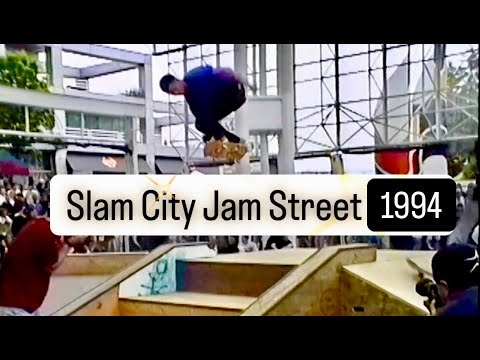
Slam City Jam burst onto the scene in 1994, quickly establishing itself as a premier skateboarding competition. The event aimed to capture the authentic spirit of skate culture, integrating music and lifestyle elements alongside the athletic competition. Its debut at the PNE Forum set a high bar, showcasing a blend of professional skateboarding, live musical performances, and an immersive fan experience that resonated deeply with the youth culture of the era. Over the years, it became a cornerstone event for the skateboarding community, fostering a sense of camaraderie and pushing the boundaries of the sport.
⚙️ How It Works
The core of Slam City Jam was its multi-faceted competition structure, featuring professional and amateur skateboarding contests across various disciplines, including street and vert. Athletes competed for significant cash prizes, with the event consistently attracting a roster of world-class skaters. Beyond the competition, the festival curated a vibrant atmosphere with live music stages featuring prominent bands and DJs, art installations, and vendor villages showcasing skate apparel and gear. This holistic approach transformed it from a mere contest into a cultural festival, offering a comprehensive immersion into the skateboarding lifestyle for both participants and spectators alike.
📊 Key Facts & Numbers
From its inception in 1994 to its last known iteration in 2006, Slam City Jam was a landmark event. The event's popularity was further underscored by its inclusion in two major skateboarding video games, Tony Hawk's Underground and Grind Session, which introduced its name and atmosphere to millions of gamers worldwide.
👥 Key People & Organizations
The driving force behind Slam City Jam was Storm Productions. Beyond the organizers, the event's success was built on the participation of legendary skateboarders and musical acts that graced the stages, further cementing the event's cultural significance.
🌍 Cultural Impact & Influence
Slam City Jam's influence extended far beyond the skateboarding circuit, acting as a cultural barometer for youth trends in music, fashion, and art throughout the late 1990s and early 2000s. It provided a crucial platform for emerging musicians and artists, often featuring genres like hip-hop, punk, and electronic music that were intrinsically linked to skate culture. The event's success in blending athletic prowess with a vibrant lifestyle aesthetic influenced subsequent action sports events and festivals, demonstrating the commercial viability of subcultural movements. Its inclusion in popular video games like Tony Hawk's Underground and Grind Session amplified its reach, introducing its brand and ethos to a global audience of millions.
⚡ Current State & Latest Developments
The last documented Slam City Jam took place in 2006, held at the Stampede Corral due to renovations at Vancouver's Pacific Coliseum for the upcoming 2010 Winter Olympics. Since that event, there has been no official announcement or widely reported activity regarding its revival. While the skateboarding world continues to evolve with new events and platforms like Street League Skateboarding and the Olympic Games incorporating skateboarding, Slam City Jam has remained dormant, leaving a void in the North American skateboarding festival landscape.
🤔 Controversies & Debates
A persistent point of contention surrounding Slam City Jam was the significant disparity in prize money awarded to male and female competitors. While the event championed inclusivity by offering cash prizes to both genders, the total purse for men was consistently much larger, a reflection of broader societal and industry-wide gender pay gaps prevalent at the time. Critics argued that this imbalance undermined the event's purported commitment to equality within the sport. Another area of debate has been the lack of communication or clear plans for the event's return, leading to speculation about the financial viability or organizational commitment required for such a large-scale festival in the current landscape.
🔮 Future Outlook & Predictions
The future of Slam City Jam remains highly uncertain, with no concrete plans for its revival publicly announced since 2006. However, the enduring legacy of the event and the continued growth of skateboarding as a mainstream sport, particularly with its inclusion in the Olympic Games, suggest a potential appetite for its return. Organizers or new promoters would need to navigate a vastly different media landscape, potentially leveraging digital platforms and social media extensively to recapture the cultural zeitgeist. The key challenge would be to replicate the unique blend of competition, music, and lifestyle that defined its original success, while also addressing past criticisms, such as the prize money disparity.
💡 Practical Applications
While Slam City Jam itself was an event, its legacy has practical applications in how action sports festivals are conceived and marketed. The model of integrating live music, art, and lifestyle elements with athletic competition proved highly effective, influencing the design of numerous subsequent events in skateboarding, snowboarding, and other extreme sports. Furthermore, its inclusion in video games like Tony Hawk's Underground demonstrated the power of digital media in popularizing and monetizing subcultural events, a strategy that remains crucial for event promotion and brand building in the modern era.
Key Facts
- Category
- events
- Type
- event