
Contents
Overview
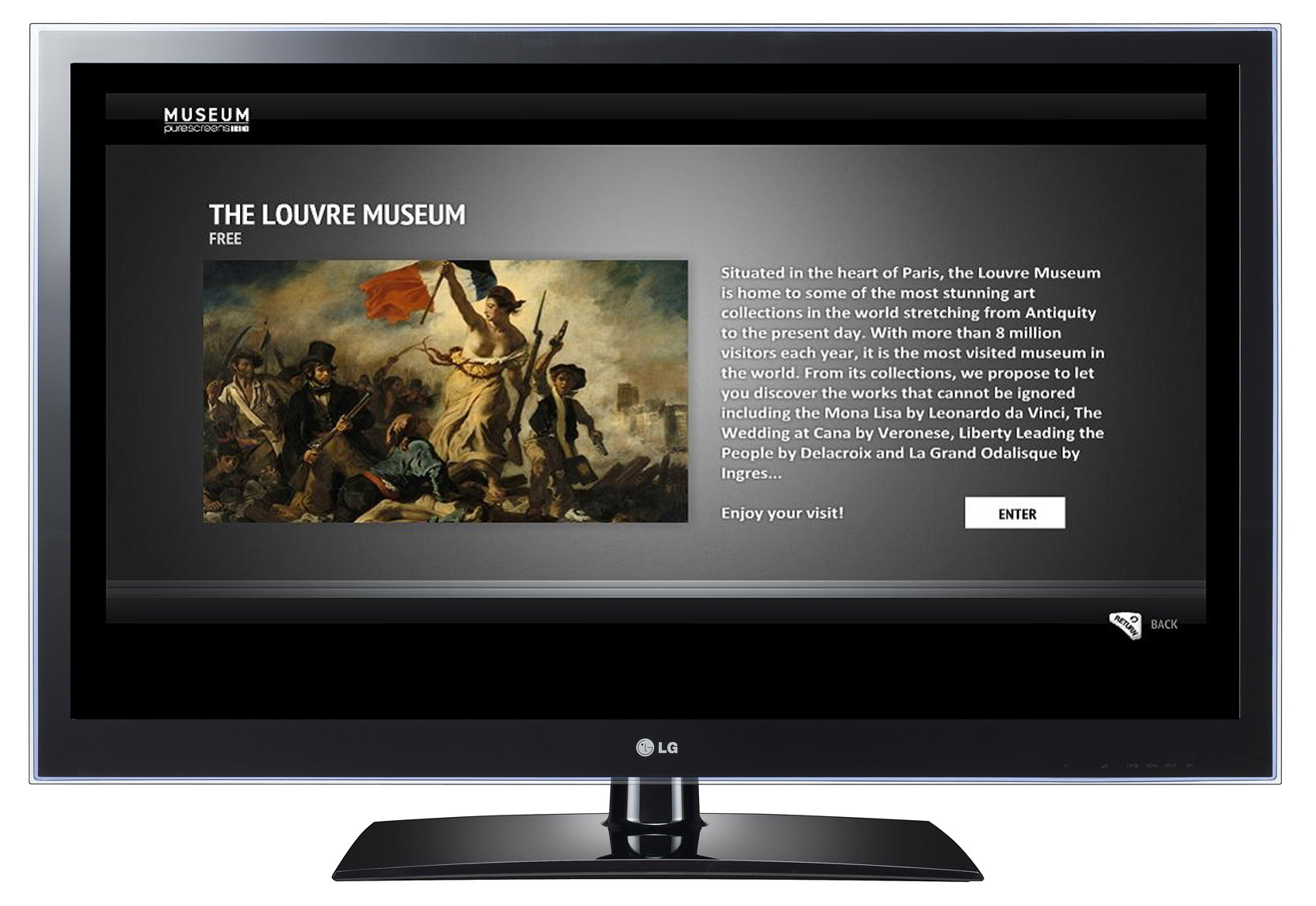
A smart TV platform is the integrated operating system and software ecosystem that transforms a conventional television into an internet-connected device capable of running applications, streaming content, and offering interactive features. These platforms, such as Tizen on Samsung TVs, webOS on LG sets, and Android TV (now Google TV) across various brands, serve as the central hub for accessing streaming services like Netflix, YouTube, and Disney+, alongside web browsing and gaming. They represent a significant evolution from traditional broadcast television, merging the passive viewing experience with the active engagement of computing. The market is dominated by a few key players, with millions of devices shipped annually, fundamentally altering how consumers access and interact with media in their homes. The ongoing development of these platforms focuses on user interface refinement, content discovery, and integration with other smart home devices, making the TV the nexus of home entertainment.
🎵 Origins & History
Early pioneers like Sony with its Bravia Internet Video and Panasonic's Viera Cast offered limited web browsing and access to a handful of streaming services. However, it was the formalization of distinct operating systems and app stores that truly defined the smart TV platform era. Samsung's introduction of its proprietary Tizen OS and LG's continued development of webOS (originally from Palm) solidified the concept of a TV as a connected computing device. Google's Android TV platform aimed to standardize the experience across multiple manufacturers, fostering a more unified ecosystem. These platforms evolved from simple portals to sophisticated operating systems, mirroring the development of mobile operating systems like Android and iOS.
⚙️ How It Works
At its core, a smart TV platform is a specialized operating system designed for the television form factor, managing hardware resources and providing a user interface for content consumption and interaction. This OS, often built on Linux or a derivative, handles network connectivity (Wi-Fi, Ethernet), runs applications (apps) downloaded from a dedicated store, and facilitates communication with external devices. Key components include a user interface (UI) framework, a media playback engine, and an application runtime environment. For instance, Android TV utilizes the Android operating system kernel, allowing it to run apps developed for the platform, while Tizen and webOS employ their own proprietary frameworks. These platforms enable features like voice control via integrated assistants such as Google Assistant or Amazon Alexa, personalized content recommendations, and the ability to cast content from mobile devices using protocols like Chromecast or AirPlay.
📊 Key Facts & Numbers
Key players in the smart TV platform space include major television manufacturers like Samsung Electronics, LG Electronics, Sony, and TCL, who develop and deploy their proprietary or licensed operating systems. Google is a dominant force with its Android TV and Google TV platforms, licensed to numerous TV brands including Sony, TCL, and Hisense. Amazon also plays a significant role with its Fire TV operating system, found on Amazon's own devices and licensed to manufacturers like Toshiba and Pioneer. Roku, though primarily a streaming device company, also licenses its Roku OS to TV manufacturers, making it a substantial platform provider. The development of these platforms involves large engineering teams focused on UI/UX design, software development, and app store management, often collaborating with third-party app developers like Netflix and Hulu.
👥 Key People & Organizations
The integration of apps and interactive features has transformed the television into a more versatile device, capable of gaming, social media, and even smart home control. The personalized recommendation engines employed by platforms like Google TV and Tizen influence viewing habits, curating content based on user history and preferences, thereby shaping cultural trends and media consumption patterns. The ubiquity of these platforms has also created new avenues for advertising and content distribution, impacting the media industry's economic models.
🌍 Cultural Impact & Influence
The smart TV platform landscape is in constant flux, driven by advancements in display technology, processing power, and AI. Google TV continues to integrate more live TV options and free, ad-supported content. Samsung is pushing its Tizen platform with enhanced gaming features. LG is focusing on refining webOS with a more intuitive user interface.
⚡ Current State & Latest Developments
The dominance of a few major smart TV platforms raises concerns about vendor lock-in and data privacy. Critics argue that platforms like Android TV and Fire TV collect extensive user data on viewing habits, app usage, and even voice commands, which can be used for targeted advertising. The curation of content on these platforms can also be biased towards services that pay for prominent placement or are owned by the platform provider, potentially limiting consumer choice. Another debate centers on the fragmentation of the smart TV experience; while platforms like Android TV aim for standardization, the sheer variety of hardware and software implementations across different manufacturers can lead to inconsistent performance and user experiences. Furthermore, the security of smart TV platforms is a growing concern, as these devices, connected to home networks, can become potential targets for malware and hacking attempts, as demonstrated by various security research findings over the past decade.
🤔 Controversies & Debates
The future of smart TV platforms points towards deeper integration into the broader digital ecosystem and a more proactive, AI-driven user experience. We can expect platforms to evolve into central control hubs for the entire smart home, managing everything from lighting and thermostats to security systems, with the TV acting as the primary visual interface. Content discovery will become even more personalized and predictive, potentially anticipating user desires before they even search. The lines between streaming services, live broadcast, and interactive content will continue to blur, with platforms offering unified interfaces for all media types. The rise of Web3 technologies and decentralized applications could also introduce
Key Facts
- Category
- technology
- Type
- topic