
Contents
Overview
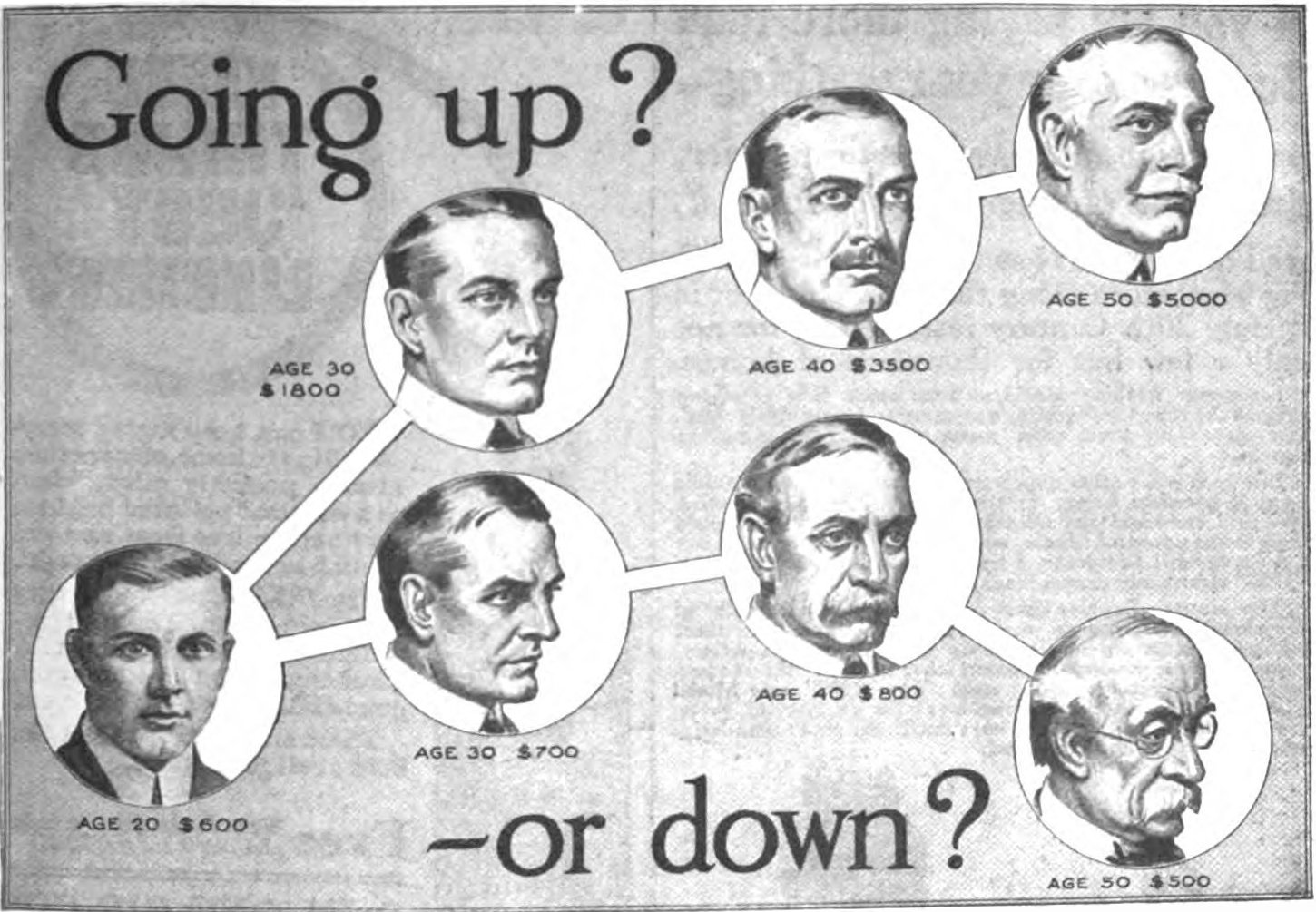
Social mobility refers to the movement of individuals, families, or groups within the social hierarchy of a society. It's a fundamental concept in sociology, measuring the degree to which one's social status can change from their parents' or their own starting point. This movement can be upward, downward, or horizontal, and is often analyzed through metrics like income, education, and occupation. Societies with high social mobility are often lauded for their fairness and opportunity, while low mobility can indicate entrenched inequality. The concept is crucial for understanding economic development, social justice, and the overall health of a nation's class structure, with global disparities in mobility rates highlighting persistent challenges in achieving equal opportunity.
🎵 Origins & History
The study of social mobility has roots stretching back to the early days of sociology, with foundational thinkers like Max Weber and Karl Marx implicitly addressing class movement, though not under the explicit term 'social mobility.' Pitirim Sorokin distinguished between horizontal mobility (movement within the same social status) and vertical mobility (upward or downward movement), laying the groundwork for much of the subsequent empirical research. Early analyses often focused on intergenerational mobility, comparing the social status of children to that of their parents, aiming to quantify the extent to which origins dictated destiny.
⚙️ How It Works
Intergenerational mobility compares the social status of children to that of their parents. Intragenerational mobility refers to changes in an individual's own past status. Key indicators for social mobility include income, educational attainment, and occupational prestige. Researchers often use statistical models, such as regression analysis, to control for various factors like education, family background, and geographic location when assessing mobility rates. A lower correlation between parental and offspring status indicates higher mobility.
📊 Key Facts & Numbers
Globally, social mobility varies dramatically. The OECD reported that it takes an average of 4.5 generations for a child born into the bottom 10% of earners in OECD countries to reach the average income level. In the United States, it's estimated that it takes five generations for a family to move from the bottom quintile to the top quintile of income. The World Economic Forum's 'Global Social Mobility Report' ranked countries on a scale of 0-100, with Nordic countries scoring highest (around 82) and countries like Chad and Venezuela scoring lowest (around 40).
👥 Key People & Organizations
Pioneering sociologists like Pitirim Sorokin and Ralf Dahrendorf provided early theoretical frameworks for understanding social stratification and mobility. More contemporary figures include Gary S. Becker, whose work on human capital theory highlighted the role of education and skills in economic mobility, and Robert Putnam, whose book 'Our Kids' explored the widening opportunity gap in the United States. International organizations like the OECD and the World Economic Forum are major players in collecting and disseminating global data on social mobility. Think tanks such as the Brookings Institution and The Resolution Foundation also conduct significant research on the topic, often focusing on specific national contexts.
🌍 Cultural Impact & Influence
The concept of social mobility is deeply intertwined with the 'American Dream' narrative, suggesting that anyone can achieve success through hard work, regardless of their background. Societies that are perceived as having high social mobility often enjoy greater social cohesion and political stability. Conversely, low social mobility can fuel social unrest and political polarization, as seen in discussions surrounding Occupy Wall Street protests. The idea of meritocracy, where advancement is based solely on individual ability or achievement, is a cultural ideal closely linked to high social mobility, influencing everything from educational policies to corporate hiring practices. The cultural resonance of rags-to-riches stories, from Andrew Carnegie to modern tech entrepreneurs, underscores the enduring appeal of upward mobility.
⚡ Current State & Latest Developments
Recent developments in social mobility research focus on the impact of globalization, automation, and the gig economy on intergenerational and intragenerational movement. The COVID-19 pandemic has also prompted research into its disproportionate impact on the socioeconomic trajectories of different groups, potentially exacerbating existing mobility challenges. Furthermore, there's a growing emphasis on 'opportunity hoarding,' where advantages are passed down through social networks and inherited wealth, making it harder for those without such connections to ascend.
🤔 Controversies & Debates
A central debate revolves around the extent to which social mobility is a desirable or even achievable goal. Some argue that a degree of immobility is natural and even beneficial, allowing for the stable transmission of cultural capital and expertise. Critics, however, contend that low social mobility is a symptom of systemic unfairness, leading to wasted human potential and increased social stratification. The role of public policy is another major point of contention: should governments actively intervene to promote mobility through measures like affirmative action, progressive taxation, and universal basic income, or should markets be left to operate freely? The definition and measurement of mobility itself are also debated, with disagreements over whether income, wealth, or occupational status is the most accurate proxy for true social standing.
🔮 Future Outlook & Predictions
The future of social mobility is likely to be shaped by technological advancements and evolving economic structures. Experts predict a continued focus on early childhood education and lifelong learning as critical levers for enhancing mobility. There's also speculation that the increasing importance of intangible assets, such as creativity and adaptability, may create new pathways for upward movement, though these may also be difficult to access for disadvantaged groups. Some futurists envision a future where 'opportunity scores' are dynamically calculated, guiding individuals toward pathways best suited to their potential, though this raises significant privacy and ethical concerns.
💡 Practical Applications
Social mobility is a key metric for evaluating the fairness and effectiveness of educational systems, labor markets, and social policies. Governments use mobility data to design interventions aimed at reducing inequality and increasing opportunity, such as investments in public education, affordable childcare, and job training programs. Businesses may analyze mobility trends to understand workforce dynamics and identify potential talent pools. Urban planners consider mobility when designing housing and transportation infrastructure, aiming to create more integrated communities. Furthermore, the concept informs philanthropic efforts, guiding foundations and charities in their mission to support disadvantaged individuals and communities.
Key Facts
- Category
- sociology
- Type
- topic