
Contents
Overview
The concept of soft power was first introduced by Joseph Nye in his 1990 book, Bound to Lead: The Changing Nature of American Power, where he argued that the United States' ability to shape the preferences of other countries through appeal and attraction was a key aspect of its global influence. As Nye noted, soft power is not just about propaganda or manipulation, but about creating a sense of shared values and interests that can inspire cooperation and collaboration. This idea was further developed by scholars like Robert Keohane and Peter Katzenstein, who explored the role of international institutions and norms in shaping soft power. For example, the European Union's Erasmus program, which provides scholarships to students from around the world to study in Europe, is a classic example of soft power in action, promoting cultural exchange and understanding between nations.
💡 How It Works
Soft power works by leveraging a country's cultural, economic, and political assets to attract and influence other countries. This can include everything from exporting popular culture, like music and movies, to promoting democratic values and human rights. As the United States has shown, soft power can be a powerful tool for shaping global public opinion and influencing the policies of other countries. For instance, the spread of American-style democracy and capitalism has been facilitated by the work of organizations like the National Endowment for Democracy, which provides funding and support to pro-democracy groups around the world. Similarly, the rise of Chinese soft power has been driven by the country's growing economic influence, with companies like Huawei and Alibaba becoming major players in the global tech industry.
🌍 Cultural Impact
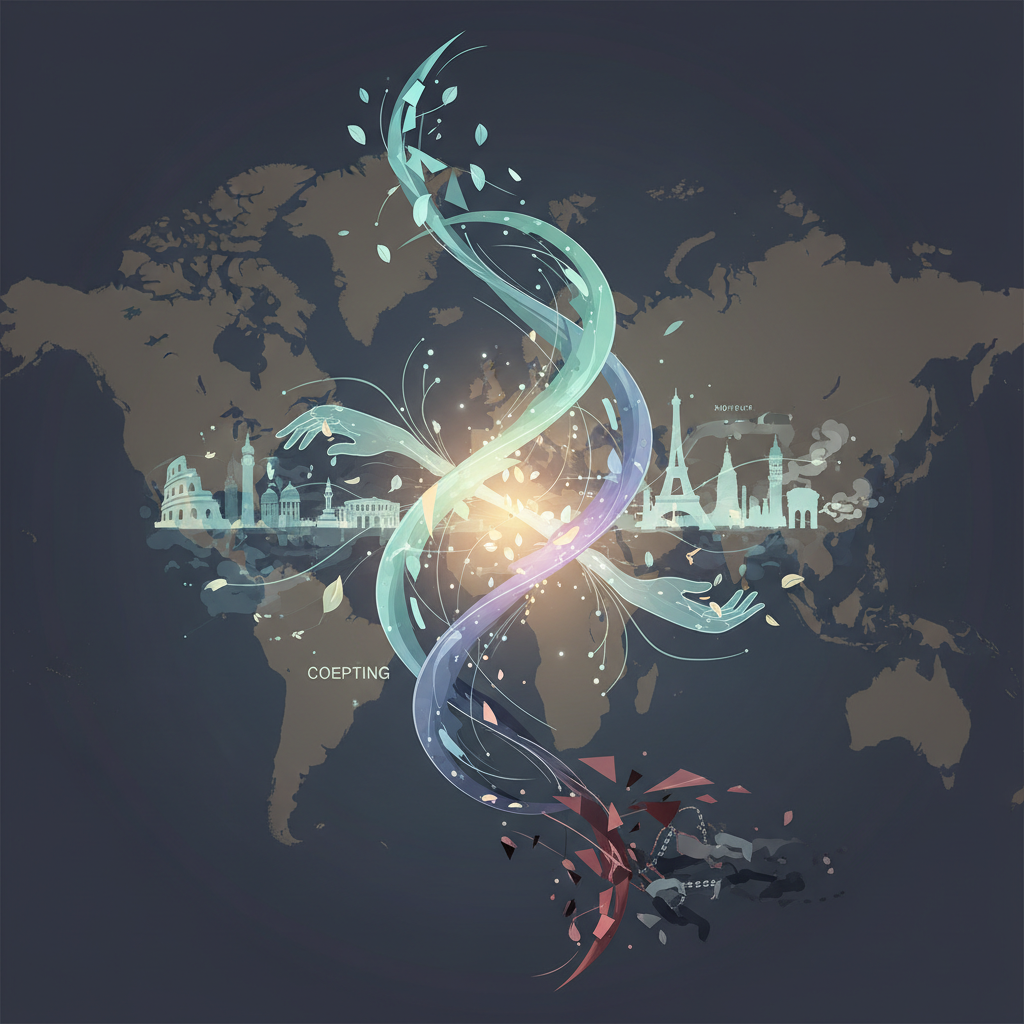
The cultural impact of soft power has been significant, with countries like the United States, China, and the European Union using their cultural assets to promote their values and interests abroad. For example, the spread of American culture, including music, movies, and television shows, has helped to promote American values and interests around the world. Similarly, China's Confucius Institutes have been established in countries around the world to promote Chinese language and culture, and to provide a platform for Chinese soft power. As the BBC's coverage of global events has shown, soft power can also be exercised through international broadcasting, promoting a country's perspective and values to a global audience. Moreover, the growth of social media has created new opportunities for soft power, with influencers and bloggers playing a significant role in shaping public opinion and promoting cultural exchange.
🔮 Legacy & Future
The legacy and future of soft power are closely tied to the evolving nature of international relations and global governance. As the world becomes increasingly interconnected, the importance of soft power is likely to grow, with countries and organizations seeking to leverage their cultural, economic, and political assets to shape global outcomes. However, the rise of new global players, like China and India, is also challenging the traditional dominance of Western soft power, and creating new opportunities for cooperation and competition. As scholars like Anne-Marie Slaughter have noted, the future of soft power will depend on the ability of countries and organizations to adapt to these changing circumstances, and to develop new strategies for promoting their values and interests in a rapidly changing world. For instance, the European Union's Global Gateway initiative, which aims to promote sustainable connectivity and cooperation between Europe and other regions, is a prime example of soft power in action, promoting European values and interests while also addressing global challenges like climate change and inequality.
Key Facts
- Year
- 1990
- Origin
- United States
- Category
- history
- Type
- concept
Frequently Asked Questions
What is soft power?
Soft power refers to the ability of a country or entity to influence others through attraction and appeal, rather than coercion or force.
Who popularized the concept of soft power?
Joseph Nye popularized the concept of soft power in his 1990 book, Bound to Lead: The Changing Nature of American Power.
What are some examples of soft power in action?
Examples of soft power in action include the spread of American culture, the promotion of democratic values and human rights, and the growth of international institutions and norms.
How does soft power relate to globalization?
Soft power is closely tied to globalization, as the growth of international trade, travel, and communication has created new opportunities for cultural exchange and cooperation.
What are the implications of soft power for international relations?
The implications of soft power for international relations are significant, as it challenges traditional notions of power and influence and creates new opportunities for cooperation and competition between nations.