
Contents
Overview
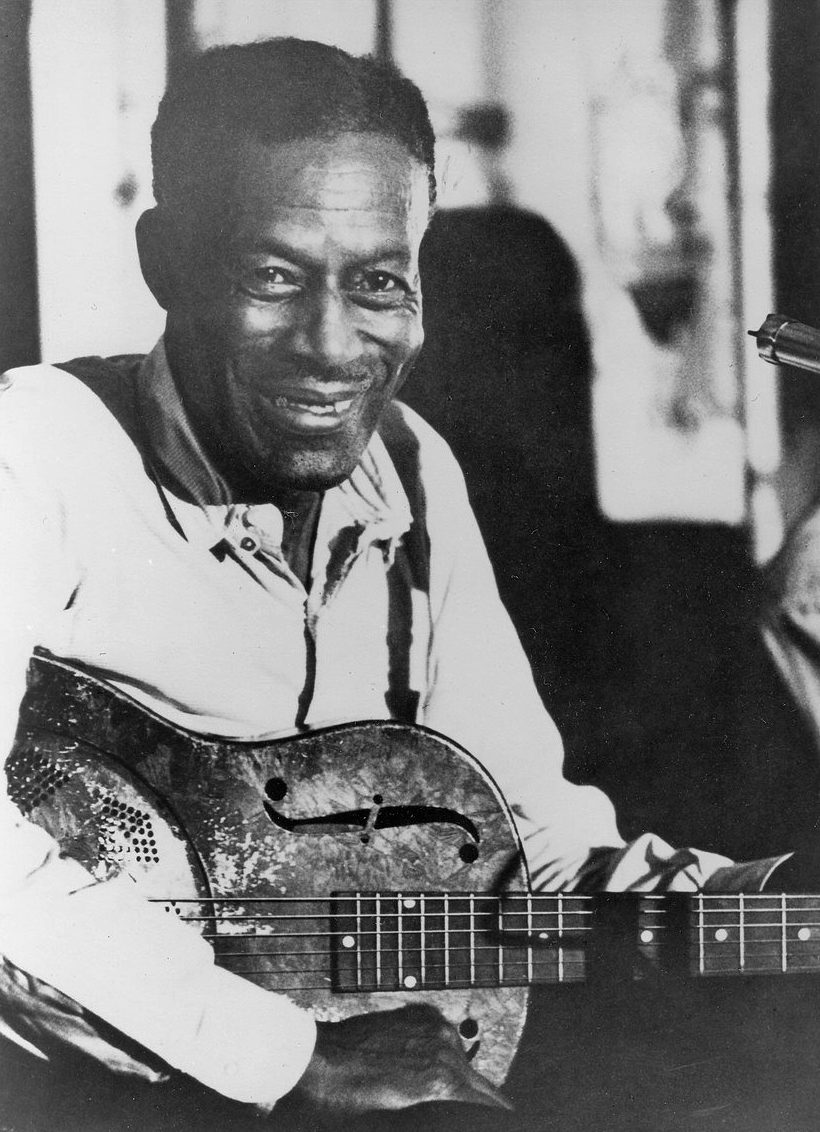
Son House, born Edison James Marrs House Jr. on March 21, 1902, in Lyon, Mississippi, stands as a titanic figure in the Delta blues. His raw, percussive guitar style, coupled with a voice that could shift from a mournful cry to a powerful declaration, defined a generation of blues musicians. House’s music was deeply rooted in his spiritual beliefs, often blurring the lines between the sacred and the secular, a tension palpable in his most iconic recordings like 'Death Letter Blues' and 'Preachin' the Blues'. His influence, though somewhat delayed due to his reclusive periods, reverberated through the likes of Robert Johnson, Muddy Waters, and later, the British blues boom of the 1960s, including Eric Clapton and The Rolling Stones.
House’s life was as tumultuous as his music. After a brief period of religious fervor where he renounced music, he returned to performing, only to be rediscovered during the folk music revival of the early 1960s. This second act brought him international acclaim, including performances at the Newport Folk Festival in 1964 and 1965, and tours in Europe. Despite this resurgence, House remained a complex character, often wrestling with his past and his faith. His later years were marked by periods of ill health and a return to relative obscurity, though his recorded legacy solidified his place as a foundational artist in American music. His impact is undeniable, a visceral connection to the heart of the blues that continues to inspire artists today.
🎬 The Genesis of a Bluesman
Son House's musical journey began not with the guitar, but with spirituals, influenced by his mother's singing. He first picked up a guitar around age 15 but soon turned to preaching, serving as a minister in the late 1920s. This spiritual foundation would later infuse his blues with a unique intensity. His early recordings, made for Paramount Records in 1930 and later for Alan Lomax in 1941 and 1942, captured a sound that was both deeply personal and universally resonant. These sessions, particularly the Library of Congress recordings, are crucial for understanding the raw, unvarnished power of his style, predating many of the more polished blues sounds that would follow.
📖 The Sound and the Fury
House’s signature guitar technique involved a percussive, slide-driven approach, often playing in open tunings and using his thumb to create a rhythmic bass line while his fingers attacked the higher strings. This made his guitar sound almost like a second voice, a driving force behind his gravelly, commanding vocals. Tracks like 'Grinnin' in Your Face' showcase this almost primal energy, a sound that was miles away from the smoother, electric blues emerging in Chicago. His lyrical themes often dealt with hardship, sin, redemption, and the devil, reflecting his own internal struggles and the socio-economic realities of the Black experience in the Jim Crow South.
🏆 The Second Act: Rediscovery and Recognition
The rediscovery of Son House in the 1960s by blues enthusiasts like Dick Waterman was a pivotal moment, bringing a living legend of the Delta blues to a new, often white, audience. His performances at festivals like the Newport Folk Festival and his subsequent tours exposed millions to his powerful music. While he received accolades and recognition during this period, including being inducted into the Blues Hall of Fame, his health and personal demons often overshadowed his musical success. His later recordings, like 'Father of the Folk Blues,' attempted to capture his mature sound, but many argue they never quite matched the raw intensity of his earlier work.
✨ Enduring Influence
Son House's legacy is imprinted on the very DNA of modern music. His raw, unadulterated blues sound directly influenced Robert Johnson, whose own legend was arguably shaped by House's teaching and sonic template. Later, British musicians like John Mayall and The Animals would cover his songs, bringing his music to an even wider global audience. His percussive guitar style and vocal intensity can be heard in the work of countless artists, from Jack White’s raw blues-rock to the more introspective folk-blues of contemporary artists. House remains a benchmark for authenticity and emotional depth in American music.
Key Facts
- Year
- 1902-1988
- Origin
- USA
- Category
- videos
- Type
- youtube-creator
Frequently Asked Questions
What is Son House most famous for?
He is most famous for his raw, percussive Delta blues guitar style, his powerful, emotional singing, and his influential songs like 'Death Letter Blues' and 'Preachin' the Blues'.
Who did Son House influence?
Son House profoundly influenced Robert Johnson, Muddy Waters, and later generations of blues and rock musicians, including Eric Clapton and Jack White.
What was unique about his guitar playing?
His unique style involved a percussive, slide-driven approach, often playing in open tunings and creating a rhythmic intensity that made his guitar sound like a second voice.
Why was he rediscovered in the 1960s?
He was rediscovered by folk music enthusiasts during the American folk music revival, leading to a second career with performances at major festivals and tours in Europe.