
Contents
Overview
The genesis of South Williamsport traces back to its initial settlement as part of the broader Lycoming County landscape, predating its formal incorporation as a borough. Initially settled as part of Lycoming County, its development was intrinsically tied to the growth of Williamsport across the Susquehanna River. The area's strategic location and fertile land attracted early settlers, laying the groundwork for a distinct community. Over the decades, South Williamsport evolved from a rural settlement into a more defined municipality, eventually achieving borough status. This transition marked a formal recognition of its growing population and administrative needs, setting the stage for its unique identity to flourish.
⚙️ How It Works
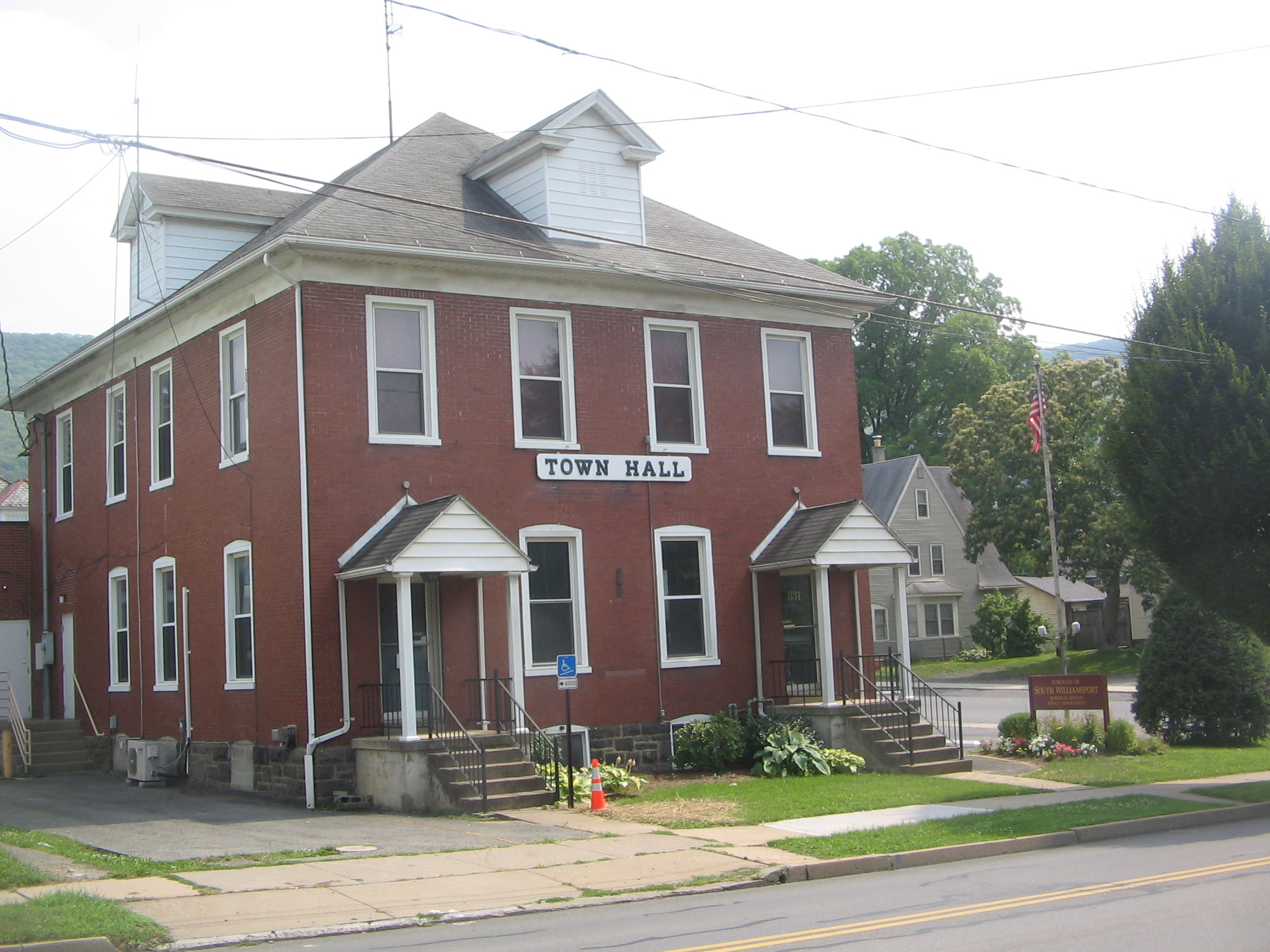
South Williamsport operates as a standard municipal borough within the Commonwealth of Pennsylvania. Its governance structure is overseen by a borough council and a mayor, with Marlin R. Angelo serving as a key figure in its administration. The borough provides essential municipal services, including public safety, infrastructure maintenance, and zoning, managed through its official administrative channels. Its physical infrastructure is characterized by residential neighborhoods, commercial areas, and the expansive Larry Newton Field complex, the heart of the Little League World Series. The borough's operational framework relies on local taxation and state-level mandates, ensuring its continued function as a self-governing entity within Lycoming County.
📊 Key Facts & Numbers
South Williamsport's population has hovered around the 6,300 mark. The borough encompasses an area of approximately 5.6 square miles, with a population density that reflects its suburban character. Its economic base is supported by local businesses and its role as a service hub for the surrounding region, though precise economic figures are often aggregated with the larger Williamsport MSA. The Little League World Series alone injects millions of dollars into the local economy annually, particularly during the August tournament, with an estimated 400,000 visitors flocking to the area each year.
👥 Key People & Organizations
The borough's identity is profoundly shaped by Little League Baseball, an organization founded by Carl Stotz. While Stotz founded the organization, South Williamsport became its permanent home and the site of its premier event. Marlin R. Angelo currently serves as a significant figure in the borough's local government, representing its administrative leadership. The Lycoming County Commissioners also play a role in regional governance that impacts South Williamsport. Beyond these, countless residents, volunteers, and local business owners contribute to the borough's vibrant community fabric, especially during the Little League World Series season.
🌍 Cultural Impact & Influence
South Williamsport's cultural impact is overwhelmingly dominated by its association with the Little League World Series. The borough is synonymous with youth baseball, inspiring generations of players and fans worldwide. This connection has transformed it into a global pilgrimage site for baseball enthusiasts and a symbol of childhood athletic achievement. The annual tournament generates significant media attention, broadcasting the borough's name and image across international platforms, embedding it in the global sports consciousness. This singular focus has created a unique cultural vibe, one that celebrates youth, sportsmanship, and community spirit on a grand scale.
⚡ Current State & Latest Developments
In 2024, South Williamsport continues to serve as the steadfast host of the Little League World Series, with preparations for the annual tournament underway. The borough's administration, led by figures like Marlin R. Angelo, focuses on maintaining municipal services and supporting the infrastructure required for the influx of visitors during the event. Discussions often revolve around managing the economic benefits and logistical challenges presented by the tournament, ensuring sustainable growth and community well-being. Local development initiatives aim to enhance the resident experience while capitalizing on the international recognition brought by Little League Baseball.
🤔 Controversies & Debates
A primary point of discussion surrounding South Williamsport revolves around the economic and social impacts of hosting the Little League World Series. While the tournament brings substantial revenue and international attention, concerns are sometimes raised about traffic congestion, strain on local resources, and the potential for over-commercialization. Debates also touch upon the balance between preserving the borough's small-town character and accommodating the massive scale of the event. Furthermore, discussions about the long-term sustainability of the tournament's presence and its evolving format, including recent expansions in team participation, are ongoing within the Little League International community and the borough itself.
🔮 Future Outlook & Predictions
The future of South Williamsport appears intrinsically linked to the continued success and evolution of the Little League World Series. Projections suggest sustained economic benefits from the tournament, with potential for further infrastructure development to support both residents and visitors. As Little League International adapts to changing youth sports landscapes, South Williamsport is poised to remain its central hub, potentially seeing increased investment in facilities and community programs. The borough's ability to manage growth while retaining its community identity will be key to its long-term prosperity and appeal.
💡 Practical Applications
The most significant practical application of South Williamsport's existence is its role as the permanent venue for the Little League World Series. This function transforms the borough into a global center for youth sports, attracting teams, families, and fans from across the United States and internationally. Beyond the tournament, the borough serves as a residential community and a local commercial center for its approximately 6,300 inhabitants, providing essential services and a base for local businesses. The infrastructure developed for the World Series, including Larry Newton Field, also serves as a valuable community asset for local sports and events.
Key Facts
- Category
- place
- Type
- place