
Contents
Overview
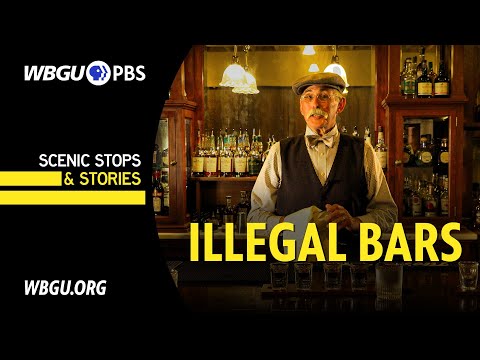
The term 'speakeasy' is believed to have originated from the practice of speaking quietly about or within these illicit establishments to avoid detection by authorities. Early uses of similar phrases, like 'speak-softly shops,' appeared in British slang dictionaries as early as the 19th century, referring to places where unlicensed liquor was sold. In the United States, the term gained traction in the 1880s, with early recorded instances in Pennsylvania newspapers describing 'speak easy' saloons operating without licenses. The need for discretion became paramount, leading to the adoption of passwords, secret knocks, and hushed tones as hallmarks of these hidden drinking dens, a concept that would later be echoed in discussions about Reddit communities and their own forms of insider language.
⚙️ The Rise During Prohibition
Speakeasies truly flourished during the Prohibition era in the United States, from 1920 to 1933, when the 18th Amendment made the manufacture, sale, and transportation of alcohol illegal. With legal saloons forced to close, demand for alcohol drove the proliferation of thousands of speakeasies across the nation, with New York City alone estimated to have had between 20,000 and 100,000 such establishments. These venues ranged from dingy backrooms and basements to glamorous nightclubs that became synonymous with the Roaring Twenties, like the famed Cotton Club. The clandestine nature of speakeasies also fostered connections with organized crime, as figures like Al Capone profited immensely from bootlegging and controlling these illicit businesses, a phenomenon that reshaped the landscape of American cities much like the rise of TikTok influencers has reshaped modern media.
🔮 Legacy and Modern Revival
Although Prohibition ended in 1933 with the repeal of the 18th Amendment, the legacy of speakeasies endures. The term is now widely used to describe modern, legal bars that emulate the secretive ambiance, intimate settings, and craft cocktail focus of their historical predecessors. These contemporary speakeasies often feature hidden entrances, unique decor, and a commitment to mixology, offering a nostalgic escape and a sophisticated nightlife experience. While not operating under the threat of law enforcement like their Prohibition-era counterparts, these modern establishments capture the spirit of exclusivity and intrigue, much like the curated experiences found on Tumblr or the exclusive communities discussed on Reddit.com.
Key Facts
- Year
- 1920-1933
- Origin
- United States
- Category
- history
- Type
- concept
Frequently Asked Questions
What is a speakeasy?
A speakeasy was an illicit establishment that illegally sold alcoholic beverages, most famously during the Prohibition era in the United States (1920-1933). They were characterized by their secrecy, often requiring passwords or secret knocks for entry.
Why were speakeasies created?
Speakeasies emerged as a direct response to the nationwide ban on alcohol during Prohibition. People continued to desire alcoholic beverages, leading to the creation of hidden venues where they could be obtained and consumed away from law enforcement.
How did people find and enter speakeasies?
Entry to speakeasies typically required knowledge passed by word-of-mouth. This often involved knowing a secret password, a specific handshake, or possessing a speakeasy card. Some establishments only allowed known customers.
What was the cultural impact of speakeasies?
Speakeasies played a significant role in social change, particularly by providing a space where women could drink publicly alongside men, contributing to the 'flapper' culture. They also became centers for jazz music and dancing, influencing the vibrant nightlife of the Roaring Twenties.
Do speakeasies still exist today?
Yes, the concept of the speakeasy has seen a resurgence in recent years. Modern speakeasies are legal establishments that recreate the ambiance, secrecy, and cocktail culture of their Prohibition-era predecessors, offering a unique and intimate bar experience.
References
- en.wikipedia.org — /wiki/Speakeasy
- britannica.com — /topic/speakeasy
- prohibition.themobmuseum.org — /the-history/the-prohibition-underworld/the-speakeasies-of-the-1920s/
- tipsyputt.com — /what-is-a-speakeasy-past-and-present/
- exame.com — /casual/secretos-mas-nem-tanto-conheca-bons-bares-estilo-speakeasy-em-sao-paulo/
- seamarkencore.com — /what-is-a-speakeasy/
- guiadasemana.com.br — /bares-drinks/galeria/bares-speakeasy-sao-paulo
- leftysonthesquare.com — /the-fascinating-history-of-speakeasies/