
Contents
- 🎵 Origins & History
- ⚙️ How It Works
- 📊 Key Facts & Numbers
- 👥 Key People & Organizations
- 🌍 Cultural Impact & Influence
- ⚡ Current State & Latest Developments
- 🤔 Controversies & Debates
- 🔮 Future Outlook & Predictions
- 💡 Practical Applications
- 📚 Related Topics & Deeper Reading
- Frequently Asked Questions
- Related Topics
Overview
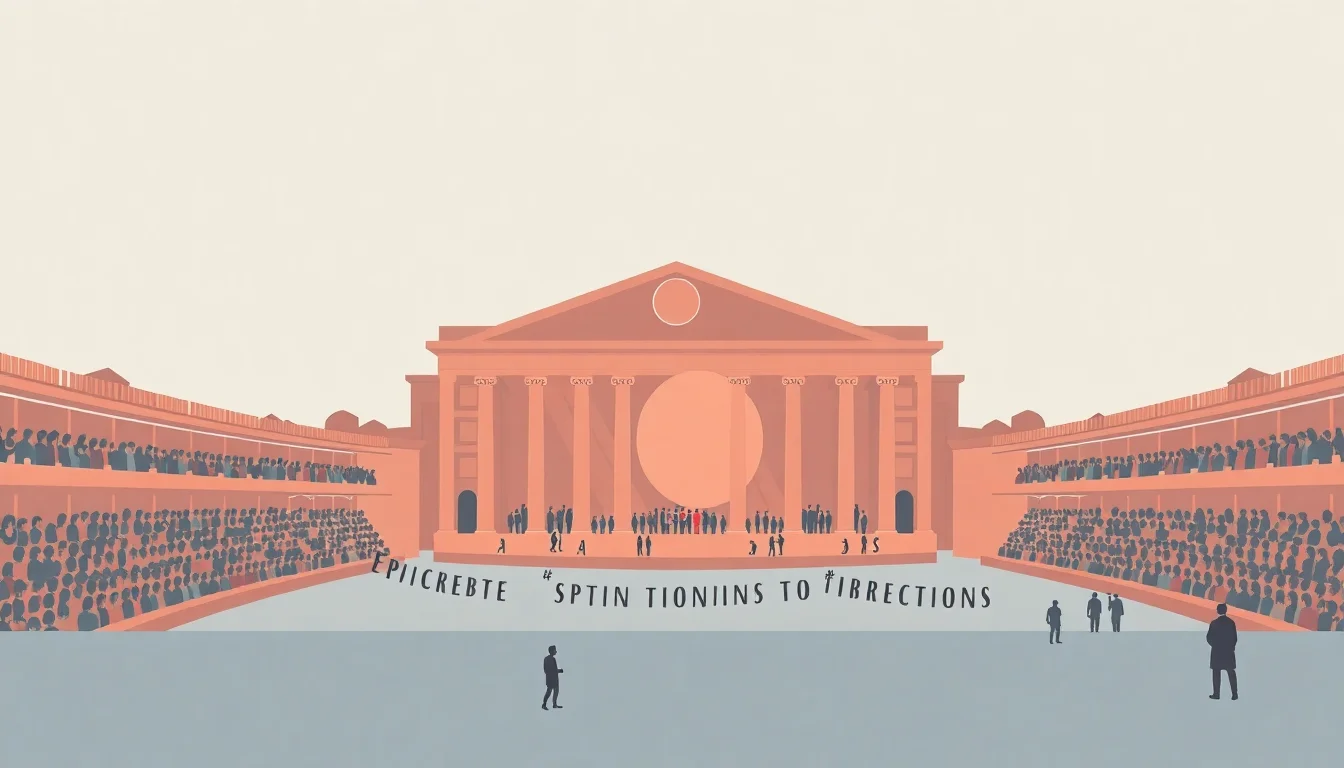
Spectacle culture refers to a societal emphasis on grand, attention-grabbing events, displays, and performances designed to elicit awe, wonder, or intense emotional response. It's the pervasive drive to create moments that are not just seen, but experienced and remembered, often prioritizing visual impact and emotional resonance over substance. This phenomenon spans historical public executions and religious processions to modern mega-events like the Olympic Games, Super Bowl halftime shows, and the curated realities of Instagram and TikTok. At its core, spectacle culture is about managing perception and generating cultural energy, a concept with roots stretching back to ancient Roman circuses and evolving dramatically with the advent of mass media and digital platforms. The scale can range from the colossal, like the Burning Man festival attracting over 70,000 participants, to the intensely personal, such as viral social media stunts, all vying for attention in an increasingly saturated information environment. Understanding spectacle culture is key to deciphering modern media, consumerism, and the very nature of public life today.
🎵 Origins & History
The impulse to create spectacle is as old as civilization itself. Ancient Roman emperors understood the power of bread and circuses, using gladiatorial combats in the Colosseum and elaborate public games to pacify the masses and project imperial might. These events, often involving thousands of participants and exotic animals, were meticulously staged to overwhelm the senses. Later, religious institutions wielded spectacle through grand processions, elaborate cathedrals like Notre Dame, and public religious dramas to inspire devotion and reinforce dogma. The Renaissance saw the rise of courtly masques and elaborate festivals, while the 19th century brought the Barnum & Bailey Circus, a commercialized spectacle that toured the globe, showcasing "The Greatest Show on Earth" to millions. Each era adapted spectacle to its technological and social context, laying the groundwork for the media-driven spectacles of the 20th and 21st centuries.
⚙️ How It Works
Spectacle culture operates on a fundamental principle: maximizing attention and emotional impact through carefully orchestrated sensory experiences. This involves a blend of visual grandeur, narrative tension, and often, a sense of the extraordinary or impossible. Engineers of spectacle leverage elements like scale (massive crowds, enormous structures), rarity (unique performances, limited-time events), emotional manipulation (triumphant narratives, dramatic reveals), and technological innovation (special effects, live broadcasting). The goal is to create a shared experience that transcends the mundane, fostering a sense of collective awe or excitement. Think of the precise choreography of a Disney parade, the carefully timed explosions at a New Year's Eve celebration in Times Square, or the viral marketing campaigns for blockbuster films like Avatar.
📊 Key Facts & Numbers
The scale of spectacle culture is staggering. The Super Bowl consistently draws over 100 million viewers in the United States alone, with its halftime show often becoming the most-watched musical performance of the year. The Rio Carnival sees over 2 million people take to the streets, a testament to its enduring power as a public spectacle. Globally, major sporting events like the FIFA World Cup can attract billions of cumulative viewers over the tournament's duration. In the digital realm, a single viral TikTok video can achieve hundreds of millions of views within days, demonstrating the democratized, albeit fleeting, nature of modern spectacle. The global theme park industry, valued at over $50 billion annually, thrives on delivering curated, spectacular experiences.
👥 Key People & Organizations
Key figures in spectacle culture range from ancient impresarios to modern media moguls. P.T. Barnum, the 19th-century showman, masterfully blended entertainment and marketing to create enduring spectacles like his American Museum and the Barnum & Bailey Circus. Walt Disney, founder of The Walt Disney Company, revolutionized theme parks and animated films, creating immersive, meticulously crafted worlds. In the digital age, figures like Elon Musk generate constant spectacle through his ventures like SpaceX launches and Tesla unveilings, often amplified by his prolific use of X (formerly Twitter). Organizations like Live Nation Entertainment and Red Bull are modern architects of large-scale events, from stadium concerts to extreme sports competitions.
🌍 Cultural Impact & Influence
Spectacle culture profoundly shapes our collective consciousness and individual behavior. It influences everything from political rallies, designed for maximum visual impact and media capture, to consumer trends driven by aspirational advertising. The rise of reality television, exemplified by shows like Keeping Up with the Kardashians, normalized the public performance of everyday life. Social media platforms like Instagram and TikTok have democratized spectacle, allowing individuals to curate and broadcast their own dramatic moments, often blurring the lines between authentic experience and performance. This constant exposure to heightened realities can impact our perception of normal life, potentially leading to a desire for perpetual stimulation or a feeling of inadequacy.
⚡ Current State & Latest Developments
In 2024, spectacle culture is more fragmented and pervasive than ever. The dominance of short-form video platforms like TikTok and Instagram Reels has accelerated the trend towards bite-sized, high-impact visual content. Live events are increasingly integrated with digital experiences, offering augmented reality overlays or exclusive online content for remote viewers. The metaverse is emerging as a new frontier for digital spectacle, with virtual concerts and immersive brand activations. Meanwhile, traditional media continues to rely on large-scale events like the Paris 2024 Olympics to capture mass attention, though the challenge of maintaining audience engagement in a multi-platform world is ever-present. The line between genuine cultural moments and manufactured hype is increasingly blurred.
🤔 Controversies & Debates
Spectacle culture is not without its critics. The philosopher Guy Debord famously critiqued "the society of the spectacle" in his 1967 book, arguing that modern life had become dominated by images and representations, alienating individuals from genuine experience. Concerns are frequently raised about the environmental impact of mega-events, the ethical implications of staged authenticity, and the potential for spectacle to distract from critical social and political issues. The constant demand for novelty can lead to a superficial engagement with culture, prioritizing fleeting trends over lasting substance. Furthermore, the immense cost of producing major spectacles raises questions about resource allocation and who truly benefits from these elaborate displays.
🔮 Future Outlook & Predictions
The future of spectacle culture will likely be defined by further technological integration and personalization. Expect more sophisticated uses of AI in generating and curating spectacular content, from personalized virtual experiences to AI-driven event production. The metaverse will continue to evolve as a platform for immersive spectacles, potentially offering new forms of entertainment and social interaction. As attention spans shorten, the demand for increasingly novel and intense sensory experiences will likely grow, pushing the boundaries of what is considered "spectacular." However, a counter-movement emphasizing authenticity and "slow" culture may also gain traction, offering a deliberate antidote to the relentless pursuit of the next big thing.
💡 Practical Applications
Spectacle culture has direct applications in numerous fields. Marketing and advertising rely heavily on creating visually compelling campaigns and memorable brand experiences. The entertainment industry, from Hollywood blockbusters to live music tours, is built on delivering spectacular performances. Political campaigns utilize rallies and media events as spectacles to mobilize support and convey messages. Even education can employ spectacle, using engaging demonstrations or immersive historical reenactments to enhance learning. In urban planning, large-scale public art installations or architectural marvels can serve as civic spectacles, drawing tourism and fostering local pride.
Key Facts
- Year
- Ancient times - Present
- Origin
- Global
- Category
- culture
- Type
- concept
Frequently Asked Questions
What is the core definition of spectacle culture?
Spectacle culture is the societal tendency to prioritize and create grand, attention-grabbing events, displays, and performances. It's about generating awe, wonder, and intense emotional responses, often by emphasizing visual impact and memorable experiences over everyday reality. This can range from ancient Roman games to modern viral social media trends, all aiming to capture and hold attention in a crowded cultural landscape.
How did spectacle culture evolve historically?
Historically, spectacle evolved from ancient religious and political displays like Roman gladiatorial games and religious processions, designed to impress and control populations. The Renaissance and 19th century saw the rise of courtly festivals and commercialized entertainment like circuses and world fairs. The 20th century amplified spectacle through mass media like television and film, while the 21st century has seen its democratization and acceleration via the internet and social media platforms like TikTok and Instagram.
What are some key examples of modern spectacle culture?
Modern examples include the Olympic Games, Super Bowl halftime shows, major music festivals like Coachella, blockbuster movie premieres, elaborate theme park attractions like those at Walt Disney World, and the curated, often dramatic, content shared on social media platforms. Even political events and product launches by companies like Apple are increasingly staged as spectacles.
What are the main criticisms of spectacle culture?
Critics, such as Guy Debord, argue that spectacle culture leads to alienation, replacing genuine experience with mediated images and performances. Concerns also include the immense cost and environmental impact of mega-events, the potential for spectacle to distract from critical social and political issues, and the promotion of superficiality and constant novelty. It can also foster unrealistic expectations and feelings of inadequacy in individuals.
How does technology influence spectacle culture?
Technology is a primary driver and amplifier of spectacle culture. Mass media like television and film allowed for unprecedented reach. The internet and social media have democratized spectacle, enabling individuals to create and share their own viral moments. Emerging technologies like VR, AR, and the metaverse are creating new frontiers for immersive and personalized spectacular experiences, from virtual concerts to interactive brand activations.
What is the 'society of the spectacle'?
The 'society of the spectacle,' a term coined by Guy Debord, describes a stage of capitalism where social life is dominated by images and representations. In this society, authentic social relationships and direct experiences are replaced by a constant stream of mediated images, commodities, and performances that dictate social interaction and individual identity. It's a world where 'what appears is good, and what is good appears'.
What is the future outlook for spectacle culture?
The future of spectacle culture points towards greater technological integration, personalization, and immersion. Expect more AI-driven content creation, advanced VR/AR experiences in the metaverse, and increasingly intense sensory engagements. However, a counter-trend emphasizing authenticity and "slow" experiences may also grow as a response to the relentless demand for novelty. The challenge will be balancing grand displays with meaningful substance.