
Contents
Overview
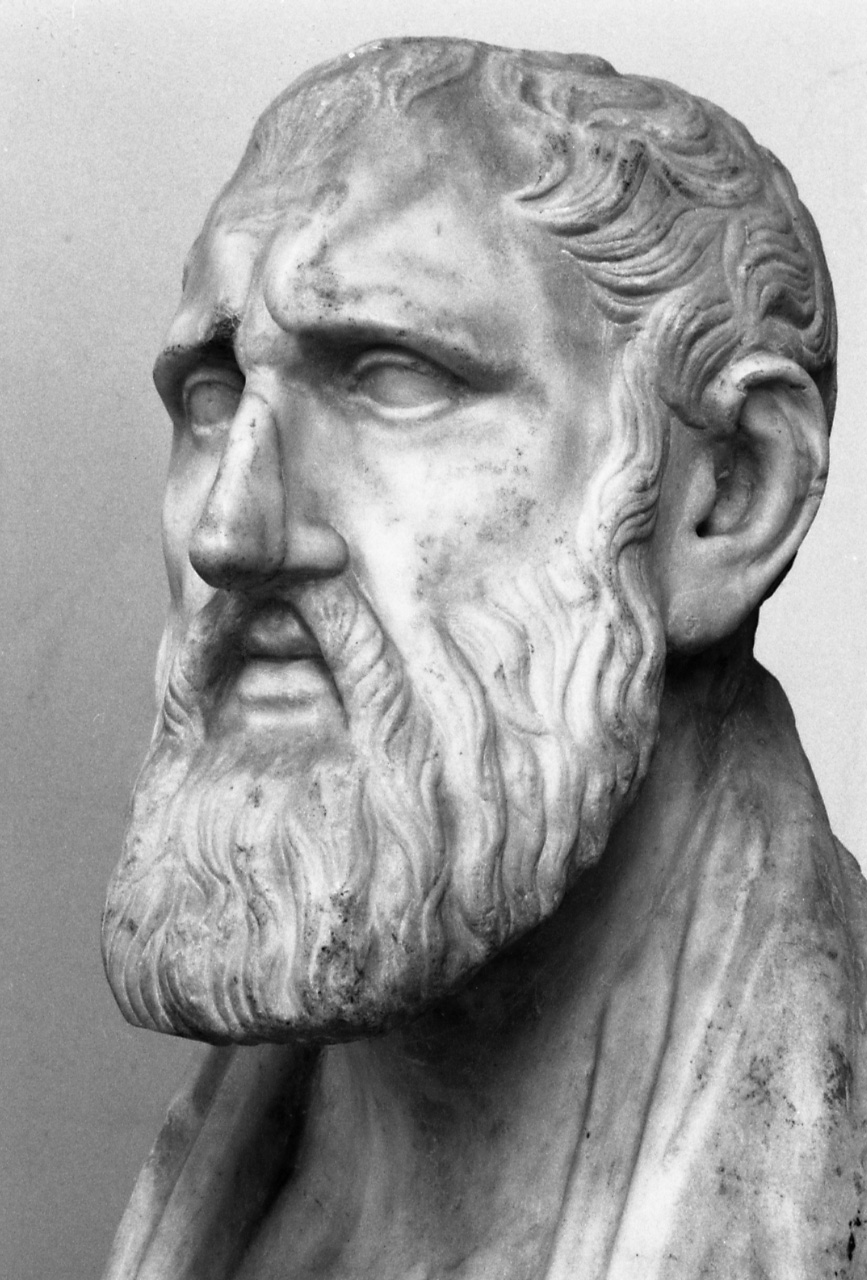
Stoicism originated in 3rd century BCE Athens when Zeno of Citium, a merchant who lost his ship in the Mediterranean, washed ashore in Greece and began developing his philosophical system. Zeno was heavily influenced by Socratic dialogues, Cynic philosophy (particularly through his teacher Crates), and earlier Greek schools of thought. He established his school at the Stoa Poikilê (painted porch) in the Agora at Athens, a location that would give the philosophy its enduring name. The school quickly became one of the dominant philosophical systems of the Hellenistic period, competing directly with Epicureanism and engaging in vigorous debates with Skeptics, Academics, and other schools. Stoicism's appeal lay in offering ancient Greeks and Romans a practical framework for building resilience, peace of mind, and moral character during uncertain times.
⚙️ Core Principles & Teachings
At its philosophical core, Stoicism teaches that virtue is the only true Good and is sufficient for happiness and human flourishing. The Stoics adopted Socrates' emphasis on virtues like courage, justice, and wisdom as the foundation of a good life, believing that external things—wealth, status, health—are ultimately indifferent to true well-being. The philosophy advocates living in accordance with nature and reason, with the central practice being the observation and control of one's judgments about events rather than attempting to control events themselves. Stoic teaching was organized into three main areas: logic (encompassing reasoning, epistemology, and cognitive science), physics (natural science and metaphysics), and ethics. The Stoics believed that right reason pervades the world as divine fire and that perception forms the basis of true knowledge, making certainty possible through careful rational examination of experience.
🌍 Evolution & Major Figures
Stoicism evolved significantly across three recognized periods of ancient philosophy. The early Stoa, from Zeno (c. 300 BCE) through Chrysippus of Soli (who headed the school from around 230–206 BCE), established the foundational doctrines and integrated ethics, physics, and logic into a comprehensive system. Chrysippus, considered the foremost theorist and systematizer, formulated propositional logic and established Stoic orthodoxy that would define the school for centuries. The middle Stoa, including philosophers like Panaetius (185–110 BCE), adapted Stoic teachings to bridge Greek and Roman worldviews, emphasizing duties and role ethics. The late Stoa or Roman Imperial period (1st–2nd century CE) produced some of Stoicism's most famous practitioners: Seneca (a wealthy statesman), Musonius Rufus, Epictetus (a former slave), and Marcus Aurelius (a Roman Emperor). This diversity of practitioners—from enslaved people to emperors—demonstrated Stoicism's universal applicability and appeal across social classes.
🔮 Legacy & Modern Influence
Stoicism's influence extended far beyond the formal closure of ancient philosophical schools in 529 CE and profoundly shaped Western intellectual history. During the Renaissance, Stoic political and moral theory became foundational to natural law theorists and educational reformers like Hugo Grotius and Philipp Melanchthon. In the 20th century, Stoicism experienced a major revival through existentialism and Neo-orthodox Protestant theology, which valued its emphasis on individual worth and meaning in an uncertain world. The philosophy's practical focus on controlling judgments rather than circumstances, combined with its insistence on virtue as the path to tranquility, continues to resonate with contemporary audiences seeking resilience and moral clarity. Modern applications range from cognitive behavioral therapy (which echoes Stoic principles about managing thoughts) to leadership development and personal well-being practices, making Stoicism one of history's most enduringly relevant philosophical traditions.
Key Facts
- Year
- c. 300 BCE
- Origin
- Athens, Ancient Greece
- Category
- philosophy
- Type
- philosophy
Frequently Asked Questions
Who founded Stoicism and when?
Zeno of Citium founded Stoicism around 300 BCE in Athens. According to legend, Zeno was a merchant who lost his ship in the Mediterranean and washed ashore in Greece, where he began studying philosophy and eventually established his school at the Stoa Poikilê (painted porch) in the Agora.
What is the main goal of Stoic philosophy?
The main goal of Stoicism is to achieve tranquility of mind and moral worth through virtue. Stoics believe that virtue is the only true Good and is sufficient for happiness. This is achieved by living in accordance with reason and nature, and by controlling one's judgments about events rather than trying to control external circumstances.
What are the three main areas of Stoic teaching?
Stoic philosophy is organized into three main areas: logic (which includes reasoning, epistemology, and cognitive science), physics (which encompasses natural science and metaphysics, including theology), and ethics (which focuses on virtue and the good life). These three areas work together to provide a comprehensive philosophical system.
How did Stoicism evolve over time?
Stoicism evolved through three major periods: the early Stoa (Zeno through Chrysippus, c. 300–206 BCE) established foundational doctrines; the middle Stoa (including Panaetius, late 2nd–1st century BCE) adapted teachings to bridge Greek and Roman worldviews; and the late Stoa (1st–2nd century CE) produced famous practitioners like Seneca, Epictetus, and Marcus Aurelius. Each period added new insights while maintaining core principles.
Why is Stoicism still relevant today?
Stoicism remains relevant because its practical focus on controlling thoughts and judgments rather than external circumstances resonates with modern psychology and self-help practices. Its emphasis on virtue, resilience, and finding meaning in uncertainty appeals to contemporary audiences. The philosophy has influenced existentialism, cognitive behavioral therapy, and modern leadership development, making it one of history's most enduringly applicable philosophical traditions.
References
- study.com — /academy/lesson/stoicism-overview-philosophy.html
- iep.utm.edu — /stoicism/
- theancientwisdomproject.com — /traditions/stoicism/
- orionphilosophy.com — /a-brief-history-of-stoicism/
- plato.stanford.edu — /entries/stoicism/
- britannica.com — /topic/Stoicism
- holstee.com — /blogs/mindful-matter/stoicism-101-everything-you-wanted-to-know-about-stoicism-
- youtube.com — /watch
- youtube.com — /watch