
Contents
Overview
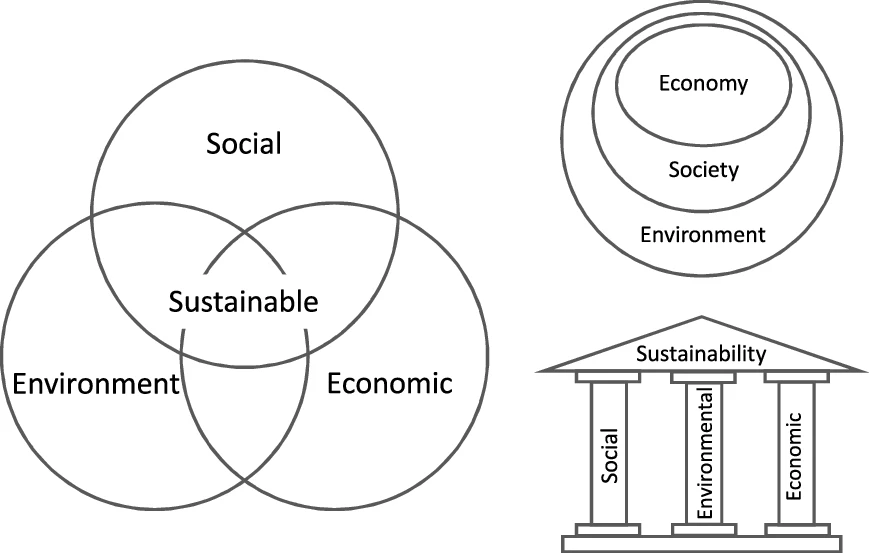
The concept of sustainability has its roots in the Latin word 'sustinere,' meaning to hold up or support. Over time, the term has evolved to encompass environmental, economic, and social aspects, with the United Nations playing a significant role in promoting sustainable development through initiatives like the Sustainable Development Goals. As the world grapples with climate change, biodiversity loss, and social inequality, sustainability has become a pressing concern, with companies like Tesla and Google investing heavily in renewable energy and sustainable technologies.
⚖️ Economic Dimensions
The economic dimension of sustainability is a topic of ongoing debate, with scholars discussing the concept of 'weak' versus 'strong' sustainability. While some argue that economic growth and sustainability are mutually exclusive, others believe that sustainable practices can drive innovation and profitability, as seen in the success of companies like The Body Shop and Seventh Generation. The World Economic Forum has also emphasized the importance of sustainability in its annual reports, highlighting the need for businesses to adopt sustainable practices to ensure long-term viability.
🌍 Cultural Impact
Sustainability has significant cultural implications, influencing the way we live, work, and interact with one another. The Slow Food movement, for example, promotes sustainable food systems and supports local farmers, while the Zero Waste movement encourages individuals to reduce their environmental footprint. As consumers become increasingly aware of the environmental and social impact of their purchasing decisions, companies are responding by adopting sustainable practices and promoting eco-friendly products, such as those offered by Reformation and Everlane.
🔮 Legacy & Future
As the world looks to the future, sustainability will play an increasingly important role in shaping our collective destiny. With the rise of technologies like Artificial Intelligence and Blockchain, new opportunities for sustainable development are emerging, such as the use of AI in climate modeling and the development of sustainable supply chain management systems. However, the path forward is not without its challenges, and addressing the complexities of sustainability will require a concerted effort from individuals, organizations, and governments, including the European Union and the US Government.
Key Facts
- Year
- 1987
- Origin
- Global
- Category
- nature
- Type
- concept
Frequently Asked Questions
What is the difference between sustainability and sustainable development?
Sustainability refers to the ability to maintain a process or system over a long period of time, while sustainable development refers to the many processes and pathways to achieve sustainability. As noted by the United Nations Environment Programme, sustainable development is a more comprehensive concept that encompasses not only environmental but also social and economic aspects.
How can individuals contribute to sustainability?
Individuals can contribute to sustainability by making environmentally conscious choices, such as reducing energy consumption, using public transportation, and supporting sustainable businesses, like Warby Parker and Stitch Fix. They can also advocate for sustainable policies and practices in their communities, as seen in the work of organizations like the Sierra Club and the Nature Conservancy.
What is the role of technology in sustainability?
Technology can play a significant role in sustainability by providing innovative solutions to environmental challenges, such as renewable energy systems, sustainable materials, and eco-friendly products. Companies like Google and Microsoft are investing in sustainable technologies, and initiatives like the Greenpeace Energy Revolution campaign are promoting the use of renewable energy sources.
How can businesses prioritize sustainability?
Businesses can prioritize sustainability by adopting sustainable practices, such as reducing waste, conserving resources, and promoting eco-friendly products. They can also invest in sustainable technologies and collaborate with stakeholders to promote sustainable development, as seen in the partnerships between companies like Cisco and IBM and organizations like the World Wildlife Fund.
What are some of the challenges to achieving sustainability?
Some of the challenges to achieving sustainability include balancing economic, social, and environmental needs, addressing climate change and biodiversity loss, and promoting international cooperation and agreement on sustainable development goals, as highlighted by the Intergovernmental Panel on Climate Change and the World Health Organization.