
Contents
Overview
The roots of sustainable architecture stretch back to ancient building practices that inherently respected local climate and materials, long before the term 'sustainability' was coined. Vernacular architecture across various cultures, from the passive cooling techniques in Middle Eastern windcatchers to the earth-sheltered homes of ancient civilizations, demonstrated an intuitive understanding of ecological principles. Early pioneers like Paolo Soleri with his arcology concepts and Simon Osborn's work on ecological design laid theoretical groundwork. The UN's Brundtland Commission report, "Our Common Future," provided a crucial framework that would deeply influence the architectural discourse, leading to the establishment of organizations like the U.S. Green Building Council in 1993.
⚙️ How It Works
At its core, sustainable architecture employs a multi-pronged strategy to reduce environmental impact. This involves optimizing building orientation and form for passive solar heating and natural ventilation, thereby minimizing reliance on artificial climate control systems. Material selection is critical, prioritizing recycled, renewable, locally sourced, and low-embodied-energy materials, such as bamboo or reclaimed timber, over energy-intensive options like concrete and steel. Water conservation is addressed through rainwater harvesting, greywater recycling systems, and water-efficient fixtures. Energy efficiency is further enhanced by high-performance insulation, energy-efficient windows, and the integration of renewable energy sources like solar panels and wind turbines. The design also considers the building's lifecycle, from construction to demolition, aiming for minimal waste and maximum recyclability.
📊 Key Facts & Numbers
The scale of sustainable architecture's impact is increasingly quantifiable. Green buildings, certified by systems like LEED (Leadership in Energy and Environmental Design), can reduce energy consumption and water use compared to conventional structures. The global green building market was valued at over $250 billion in 2023 and is projected to exceed $500 billion by 2030, indicating substantial economic momentum. For instance, the Bullitt Center in Seattle, often cited as one of the greenest commercial buildings in the world, generates 100% of its energy from solar panels and treats all its wastewater on-site, aiming for net-zero impact.
👥 Key People & Organizations
Numerous individuals and organizations have championed sustainable architecture. Architects like Norman Foster (e.g., 30 St Mary Axe) and Renzo Piano (e.g., The Shard) have incorporated green principles into high-profile projects. Visionaries such as William McDonough, co-author of "Cradle to Cradle: Remaking the Way We Make Things," advocate for design that mimics natural systems. Key organizations include the U.S. Green Building Council, which developed the widely adopted LEED rating system, the UK Green Building Council, and the World Green Building Council, fostering global collaboration. Research institutions like the Building Research Establishment (BRE) in the UK also play a vital role in developing standards and certifications.
🌍 Cultural Impact & Influence
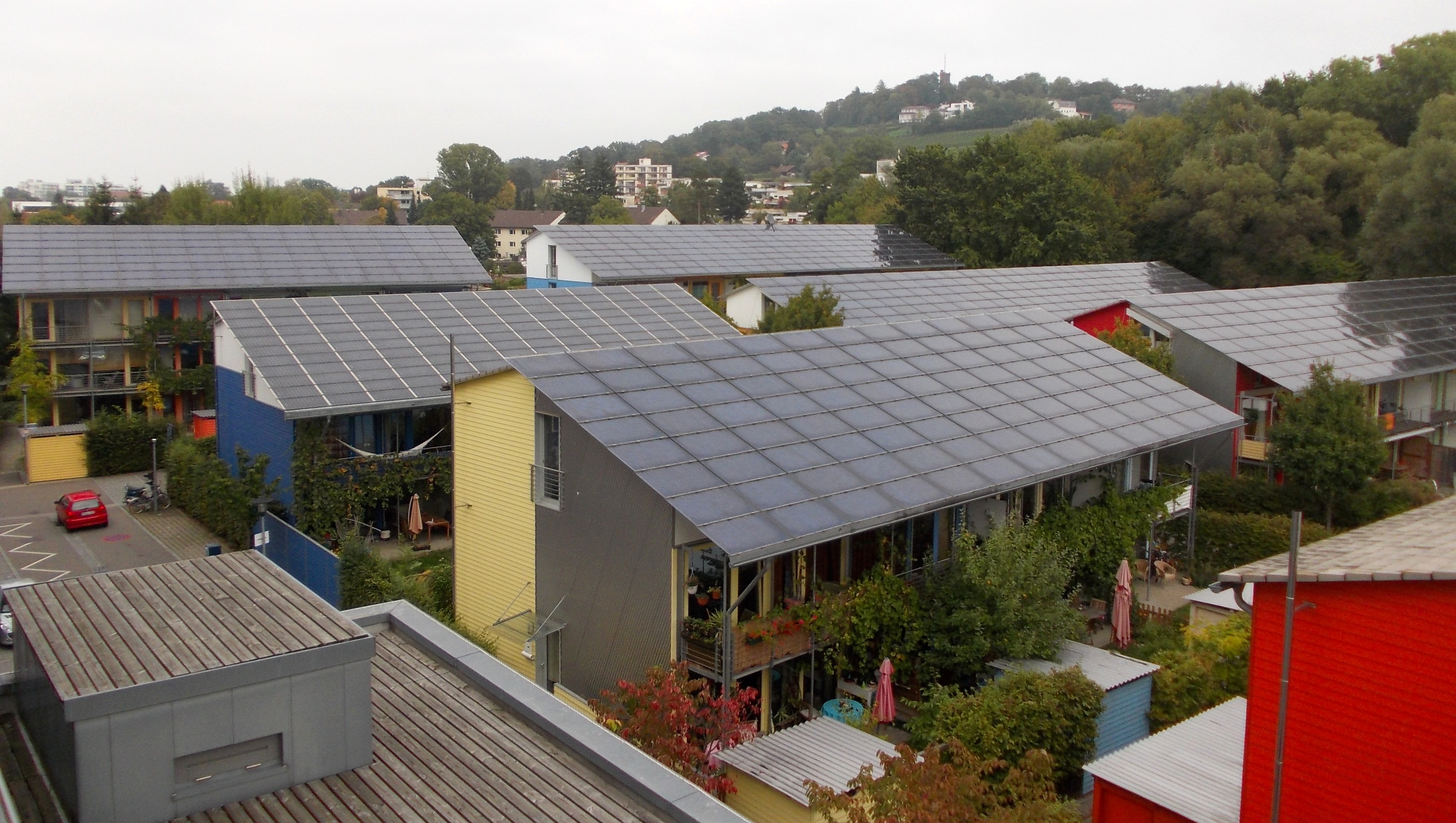
Sustainable architecture has profoundly influenced urban planning, material science, and public consciousness regarding environmental responsibility. It has shifted the architectural discourse from purely aesthetic or functional concerns to a holistic consideration of ecological and social impact. The widespread adoption of green building certifications like LEED and BREEAM has normalized sustainable practices, influencing developer behavior and consumer demand. This movement has also spurred innovation in materials, such as cross-laminated timber (CLT) and mycelium-based insulation, and technologies like smart building management systems. The visual language of sustainable design, often characterized by green roofs, living walls, and prominent solar arrays, has become increasingly visible in cities worldwide, raising public awareness.
⚡ Current State & Latest Developments
The field is currently experiencing rapid innovation, driven by climate change imperatives and technological advancements. Net-zero energy buildings, which produce as much renewable energy as they consume, are becoming more common, exemplified by projects like the Bullitt Center in Seattle. The concept of the Living Building Challenge pushes beyond net-zero to regenerative design, aiming for buildings that give back more to the environment than they take. There's a growing emphasis on embodied carbon – the emissions associated with material extraction, manufacturing, and construction – leading to increased use of low-carbon materials like mass timber and recycled content. Digital tools, including Building Information Modeling (BIM) and advanced energy modeling software, are integral to optimizing design performance and lifecycle analysis.
🤔 Controversies & Debates
Despite its growing acceptance, sustainable architecture faces significant debates. A primary controversy revolves around the higher upfront costs often associated with green building materials and technologies, though proponents argue that lifecycle cost savings (reduced energy and water bills) offset this. Another debate centers on the true 'greenness' of certain certifications; critics sometimes argue that LEED and similar systems can be gamed or don't go far enough in addressing embodied carbon or social equity. The challenge of retrofitting existing building stock, which represents a vast portion of the built environment, is also a major point of contention, as it's often more complex and expensive than new construction. Furthermore, the potential for 'greenwashing' – where buildings are marketed as sustainable without substantial environmental benefits – remains a persistent concern.
🔮 Future Outlook & Predictions
The future of architecture is undeniably tied to sustainability. We can expect a continued push towards net-positive buildings that actively regenerate ecosystems and communities. The integration of artificial intelligence in design and building management will optimize performance and predict environmental conditions with unprecedented accuracy. The circular economy principles will become paramount, with buildings designed for disassembly and material reuse. Expect a greater focus on biophilic design, deeply integrating nature into buildings to improve occupant well-being and ecological health. As climate change impacts intensify, regulatory bodies will likely mandate higher sustainability standards, making green building the default, not the exception, with innovations like 3D-printed sustainable housing potentially scaling up.
💡 Practical Applications
Sustainable architecture principles are applied across a wide spectrum of building types. Residential homes increasingly incorporate passive design, high-efficiency appliances, and solar panels. Commercial buildings, from offices like the The Edge in Amsterdam to retail spaces, focus on energy efficiency, water conservation, and occupant health through features like daylighting and improved indoor air quality. Educational institutions and healthcare facilities are adopting green building standards to create healthier learning and healing environments. Public infrastructure, such as transit hubs and community centers, also benefits from sustainable design, reducing operational costs and environmental impact. Even industrial facilities are exploring
Key Facts
- Category
- aesthetics
- Type
- topic