
Contents
Overview
A synthesizer is an electronic musical instrument that generates audio signals, creating a wide range of sounds through various methods such as subtractive synthesis, additive synthesis, and frequency modulation synthesis. With a history that includes the development of early synthesizers, synthesizers have evolved to become a crucial part of modern music production, used by renowned artists like Kraftwerk and Daft Punk. Today, synthesizers are played with keyboards or controlled by sequencers, software, or other instruments, and can be synchronized to other equipment via MIDI. With the rise of digital technology, synthesizers have become more accessible and versatile, leading to a proliferation of electronic music genres like techno and electronic dance music.
🎵 Origins & History
The RCA Mark II was an early synthesizer that emerged in the United States. This early synthesizer was controlled with punch cards and used hundreds of vacuum tubes. The Buchla Electronic Music Box and the EMS VCS 3 were other notable early synthesizers. The development of synthesizers was also influenced by the work of various individuals and companies.
⚙️ How It Works
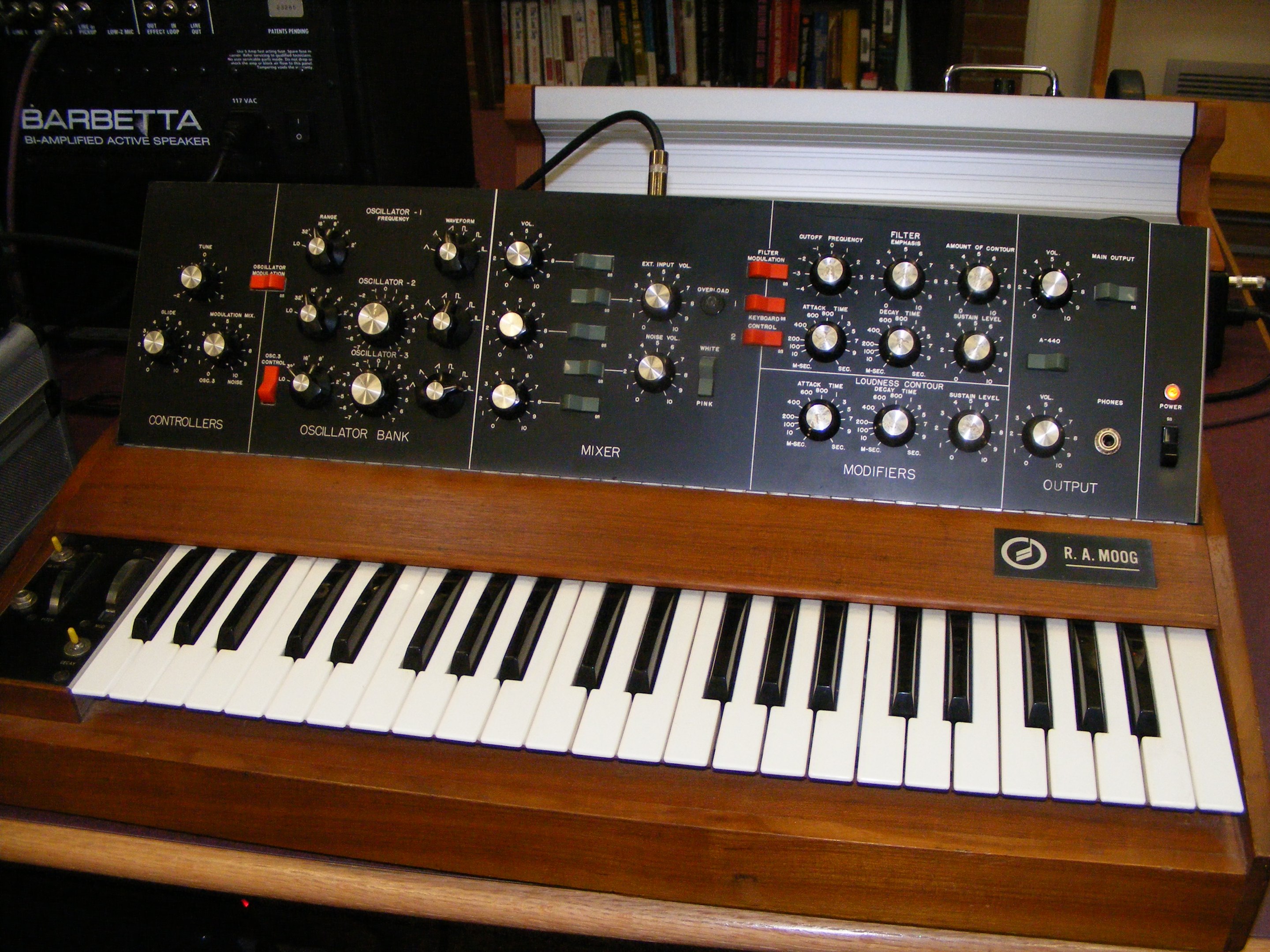
A synthesizer typically consists of several components, including oscillators, filters, envelopes, and low-frequency oscillators. These components work together to generate sound waves, which can be altered and manipulated to create a wide range of timbres and textures. The subtractive synthesis method, for example, involves generating a sound wave and then filtering out certain frequencies to create the desired sound. Other methods, such as additive synthesis and frequency modulation synthesis, use different techniques to generate sound waves. Modern synthesizers often include digital signal processing capabilities, allowing for even more complex sound manipulation. Companies like Roland Corporation and Korg have developed a range of synthesizers that cater to different needs and budgets.
📊 Key Facts & Numbers
Some key facts and numbers about synthesizers include: synthesizers are used in a wide range of genres, from electronic dance music to film scores. The use of synthesizers has led to the development of new genres and sub-genres, such as synth-pop and techno.
👥 Key People & Organizations
Key people and organizations in the development of synthesizers include various individuals and companies who have contributed to the evolution of the instrument. Artists like Kraftwerk, Daft Punk, and Aphex Twin have all used synthesizers in their music, pushing the boundaries of what is possible with the instrument. The influence of synthesizers can also be seen in the work of artists like Brian Eno and Thom Yorke.
🌍 Cultural Impact & Influence
The cultural impact and influence of synthesizers cannot be overstated. Synthesizers have been used in a wide range of genres, from electronic dance music to film scores. They have also been used in popular music, with artists like Michael Jackson and Prince using synthesizers in their music. The use of synthesizers has led to the development of new genres and sub-genres, such as synth-pop and techno. The influence of synthesizers can also be seen in the work of artists like Daft Punk and Aphex Twin, who have both used synthesizers to create innovative and experimental sounds.
⚡ Current State & Latest Developments
Today, synthesizers are more accessible and versatile than ever before. With the rise of digital technology, synthesizers can be controlled by software or other instruments, and can be synchronized to other equipment via MIDI. This has led to a proliferation of electronic music genres, with artists like Calvin Harris and Skrillex using synthesizers in their music. The current state of synthesizers is also marked by a renewed interest in analog synthesizers. The latest developments in synthesizer technology include the use of artificial intelligence and machine learning to generate new sounds and textures.
🤔 Controversies & Debates
Despite their popularity, synthesizers have also been the subject of controversy and debate. Some critics have argued that synthesizers are too dominant in modern music, and that they lack expressiveness and nuance. However, proponents of synthesizers argue that they offer a unique and powerful way to create music, and that they have opened up new possibilities for musicians and composers. The debate surrounding synthesizers is also reflected in the work of artists like Thom Yorke and Burial, who have both used synthesizers to create innovative and experimental sounds.
🔮 Future Outlook & Predictions
Looking to the future, it is likely that synthesizers will continue to play a major role in music production. With the rise of digital technology, synthesizers are becoming increasingly accessible and versatile, and are being used in a wide range of genres. The use of artificial intelligence and machine learning in synthesizer technology is also likely to lead to new and innovative sounds. As the music industry continues to evolve, it is likely that synthesizers will remain a key part of the creative process, with artists like Flume and San Holo pushing the boundaries of what is possible with the instrument.
💡 Practical Applications
Practical applications of synthesizers include music production, film scoring, and live performance. Synthesizers can be used to create a wide range of sounds, from simple melodies to complex textures and soundscapes. They can also be used to control other instruments, such as drum machines and sequencers, and can be synchronized to other equipment via MIDI. Companies like Ableton and Logic Pro offer software synthesizers and digital audio workstations that can be used to create and produce music.
Key Facts
- Category
- technology
- Type
- technology