
Contents
- 🏯 Origins & History
- 📊 How It Worked
- 📈 Key Facts & Numbers
- 👥 Key People & Organizations
- 🌍 Cultural Impact & Influence
- ⚡ Current State & Latest Developments
- 🤔 Controversies & Debates
- 🔮 Future Outlook & Predictions
- 💡 Practical Applications
- 📚 Related Topics & Deeper Reading
- Frequently Asked Questions
- References
- Related Topics
Overview
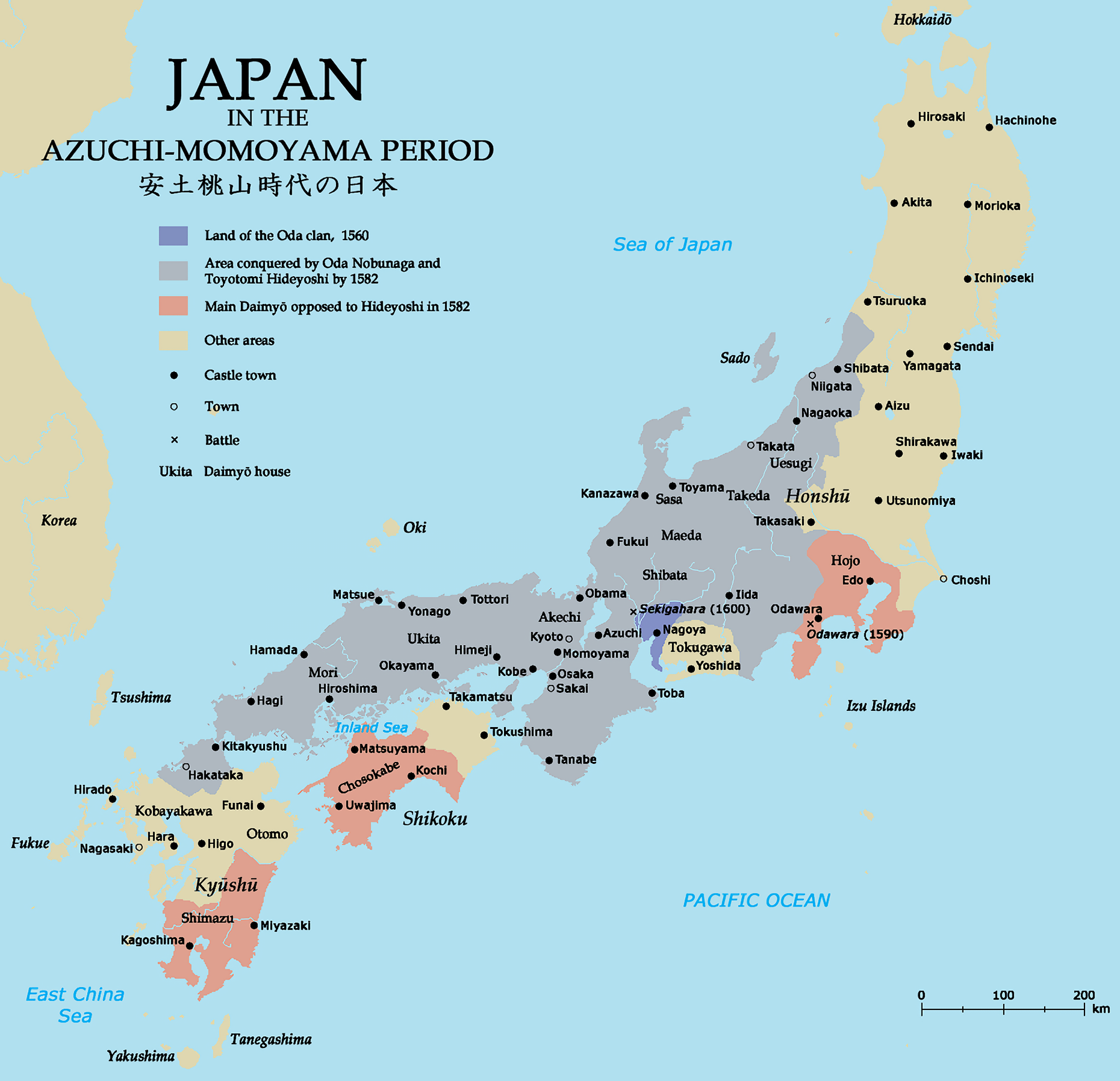
Taiko Kenchi was a nationwide land survey conducted in Japan from 1582 to 1598, initiated by Toyotomi Hideyoshi, a powerful daimyō, to consolidate his rule and unify the country. The survey aimed to create a comprehensive and accurate record of Japan's agricultural land, including its ownership, productivity, and tax yields. This ambitious project, which involved measuring and mapping every piece of land, had far-reaching consequences, including the establishment of a new system of land ownership, the creation of a national tax system, and the emergence of a more centralized state. With the help of Oda Nobunaga's former retainers, such as Toyotomi Hideyoshi and Ishida Mitsunari, the Taiko Kenchi survey played a crucial role in shaping Japan's economic and political landscape during the Azuchi-Momoyama period. The survey's impact can still be seen today, with many of its principles and methods continuing to influence Japan's land management and taxation systems. As noted by historians, including George Sansom, the Taiko Kenchi was a groundbreaking achievement that marked a significant turning point in Japanese history, paving the way for the country's modernization and growth. The survey's legacy can also be seen in the works of Mori Motonari, a prominent daimyō who implemented similar land surveys in his own domain.
🏯 Origins & History
The Taiko Kenchi land survey was initiated by Toyotomi Hideyoshi in 1582, following the death of Oda Nobunaga, who had unified much of Japan through his military campaigns. The survey was conducted over a period of 16 years, with the aim of creating a comprehensive record of Japan's agricultural land, including its ownership, productivity, and tax yields. As described by John Whitney Hall, a renowned historian of Japan, the Taiko Kenchi was a massive undertaking that involved measuring and mapping every piece of land in the country, using a combination of traditional surveying techniques and new methods developed by Ishida Mitsunari and other experts. The survey's findings were used to establish a new system of land ownership, with the aim of increasing agricultural productivity and tax revenues, and to create a more centralized state, with the Toyotomi regime at its helm.
📊 How It Worked
The Taiko Kenchi survey was a complex and time-consuming process, involving the measurement and mapping of every piece of land in Japan. The surveyors used a combination of traditional techniques, such as measuring the length and width of fields, and new methods, such as using astronomical observations to determine the size and shape of plots. As noted by William Wayne Farris, a historian of Japanese agriculture, the survey's findings were used to create detailed maps and records of land ownership, which were then used to establish a new system of taxation and land ownership. The survey's methods and principles were later adopted by other countries, including Korea and China, and continue to influence land management and taxation systems around the world, including those used by the United Nations.
📈 Key Facts & Numbers
The Taiko Kenchi survey had a significant impact on Japan's economy and politics, with far-reaching consequences for the country's development. The survey's findings were used to establish a new system of land ownership, with the aim of increasing agricultural productivity and tax revenues. The survey also led to the creation of a more centralized state, with the Toyotomi regime at its helm. As described by Morton W. China, a historian of Japanese politics, the survey's impact can still be seen today, with many of its principles and methods continuing to influence Japan's land management and taxation systems. The survey's legacy can also be seen in the works of Fukuzawa Yukichi, a prominent Japanese intellectual who advocated for the modernization of Japan's land management and taxation systems.
👥 Key People & Organizations
The Taiko Kenchi survey was conducted by a team of surveyors and officials, led by Toyotomi Hideyoshi and Ishida Mitsunari. The survey involved the measurement and mapping of every piece of land in Japan, using a combination of traditional techniques and new methods developed by the surveyors. As noted by Herbert P. Bix, a historian of Japanese history, the survey's findings were used to create detailed maps and records of land ownership, which were then used to establish a new system of taxation and land ownership. The survey's methods and principles were later adopted by other countries, including Korea and China, and continue to influence land management and taxation systems around the world.
🌍 Cultural Impact & Influence
The Taiko Kenchi survey had a significant cultural impact, with far-reaching consequences for Japan's development. The survey's findings were used to establish a new system of land ownership, with the aim of increasing agricultural productivity and tax revenues. The survey also led to the creation of a more centralized state, with the Toyotomi regime at its helm. As described by Gary P. Hamilton, a historian of Japanese culture, the survey's impact can still be seen today, with many of its principles and methods continuing to influence Japan's land management and taxation systems. The survey's legacy can also be seen in the works of Natsume Soseki, a prominent Japanese author who wrote about the impact of the Taiko Kenchi on Japanese society.
⚡ Current State & Latest Developments
Today, the Taiko Kenchi survey is recognized as a significant event in Japanese history, with far-reaching consequences for the country's development. The survey's findings were used to establish a new system of land ownership, with the aim of increasing agricultural productivity and tax revenues. The survey also led to the creation of a more centralized state, with the Toyotomi regime at its helm. As noted by Andrew Gordon, a historian of Japanese history, the survey's impact can still be seen today, with many of its principles and methods continuing to influence Japan's land management and taxation systems. The survey's legacy can also be seen in the works of Murakami Haruki, a prominent Japanese author who wrote about the impact of the Taiko Kenchi on Japanese society.
🤔 Controversies & Debates
The Taiko Kenchi survey has been the subject of controversy and debate among historians, with some arguing that it was a significant event in Japanese history, while others have questioned its impact. Some historians, such as John Whitney Hall, have argued that the survey was a major achievement, which helped to establish a more centralized state and increase agricultural productivity. Others, such as William Wayne Farris, have questioned the survey's impact, arguing that it was not as significant as previously thought. As described by Morton W. China, the debate surrounding the Taiko Kenchi survey reflects the complexities and nuances of Japanese history, and highlights the need for further research and analysis.
🔮 Future Outlook & Predictions
The Taiko Kenchi survey is expected to continue to influence Japan's land management and taxation systems in the future, with many of its principles and methods continuing to be used today. The survey's legacy can also be seen in the works of Fukuzawa Yukichi, a prominent Japanese intellectual who advocated for the modernization of Japan's land management and taxation systems. As noted by Herbert P. Bix, the survey's impact can still be seen today, with many of its principles and methods continuing to influence land management and taxation systems around the world. The survey's findings and methods are also being studied by other countries, including Korea and China, which are seeking to learn from Japan's experiences and apply its principles to their own land management and taxation systems.
💡 Practical Applications
The Taiko Kenchi survey has a number of practical applications, including its use in land management and taxation systems. The survey's findings and methods are being used by governments and organizations around the world to establish more efficient and effective land management and taxation systems. As described by Gary P. Hamilton, the survey's principles and methods are also being applied in other fields, such as agriculture and urban planning. The survey's legacy can also be seen in the works of Natsume Soseki, a prominent Japanese author who wrote about the impact of the Taiko Kenchi on Japanese society.
Key Facts
- Year
- 1582-1598
- Origin
- Japan
- Category
- history
- Type
- concept
Frequently Asked Questions
What was the Taiko Kenchi survey?
The Taiko Kenchi survey was a nationwide land survey conducted in Japan from 1582 to 1598, initiated by Toyotomi Hideyoshi, to consolidate his rule and unify the country. The survey aimed to create a comprehensive and accurate record of Japan's agricultural land, including its ownership, productivity, and tax yields. As described by John Whitney Hall, the survey was a massive undertaking that involved measuring and mapping every piece of land in the country, using a combination of traditional surveying techniques and new methods developed by Ishida Mitsunari and other experts.
Who conducted the Taiko Kenchi survey?
The Taiko Kenchi survey was conducted by a team of surveyors and officials, led by Toyotomi Hideyoshi and Ishida Mitsunari. The survey involved the measurement and mapping of every piece of land in Japan, using a combination of traditional techniques and new methods developed by the surveyors. As noted by Herbert P. Bix, the survey's findings were used to create detailed maps and records of land ownership, which were then used to establish a new system of taxation and land ownership.
What was the impact of the Taiko Kenchi survey on Japanese history?
The Taiko Kenchi survey had a significant impact on Japanese history, with far-reaching consequences for the country's development. The survey's findings were used to establish a new system of land ownership, with the aim of increasing agricultural productivity and tax revenues. The survey also led to the creation of a more centralized state, with the Toyotomi regime at its helm. As described by Morton W. China, the survey's impact can still be seen today, with many of its principles and methods continuing to influence Japan's land management and taxation systems.
How did the Taiko Kenchi survey influence Japanese society?
The Taiko Kenchi survey had a significant influence on Japanese society, with far-reaching consequences for the country's development. The survey's findings were used to establish a new system of land ownership, with the aim of increasing agricultural productivity and tax revenues. The survey also led to the creation of a more centralized state, with the Toyotomi regime at its helm. As noted by Gary P. Hamilton, the survey's impact can still be seen today, with many of its principles and methods continuing to influence Japan's land management and taxation systems.
What are the practical applications of the Taiko Kenchi survey?
The Taiko Kenchi survey has a number of practical applications, including its use in land management and taxation systems. The survey's findings and methods are being used by governments and organizations around the world to establish more efficient and effective land management and taxation systems. As described by Natsume Soseki, the survey's principles and methods are also being applied in other fields, such as agriculture and urban planning.
How does the Taiko Kenchi survey relate to other historical events?
The Taiko Kenchi survey is related to a number of other historical events, including the Azuchi-Momoyama period, the Sengoku period, and the Meiji Restoration. The survey's findings and methods are also being studied by historians and scholars of Japanese history, who are seeking to learn more about the survey's impact and legacy. As noted by Andrew Gordon, the survey's legacy can also be seen in the works of Murakami Haruki, a prominent Japanese author who wrote about the impact of the Taiko Kenchi on Japanese society.
What are the key ideas and concepts related to the Taiko Kenchi survey?
The key ideas and concepts related to the Taiko Kenchi survey include land survey, taxation system, and centralized state. The survey's findings and methods are also related to other concepts, such as agricultural productivity, land ownership, and urban planning. As described by Fukuzawa Yukichi, the survey's principles and methods are also being applied in other fields, such as economics and politics.
How does the Taiko Kenchi survey reflect the complexities and nuances of Japanese history?
The Taiko Kenchi survey reflects the complexities and nuances of Japanese history, with far-reaching consequences for the country's development. The survey's findings and methods are being used by historians and scholars to learn more about the survey's impact and legacy, and to understand the complexities and nuances of Japanese history. As noted by Herbert P. Bix, the survey's legacy can also be seen in the works of Murakami Haruki, a prominent Japanese author who wrote about the impact of the Taiko Kenchi on Japanese society.
What are the implications of the Taiko Kenchi survey for modern Japan?
The Taiko Kenchi survey has a number of implications for modern Japan, including its use in land management and taxation systems. The survey's findings and methods are being used by governments and organizations around the world to establish more efficient and effective land management and taxation systems. As described by Gary P. Hamilton, the survey's principles and methods are also being applied in other fields, such as agriculture and urban planning.
How does the Taiko Kenchi survey relate to other countries and cultures?
The Taiko Kenchi survey is related to other countries and cultures, including Korea and China, which are seeking to learn from Japan's experiences and apply its principles to their own land management and taxation systems. The survey's findings and methods are also being studied by historians and scholars of Japanese history, who are seeking to learn more about the survey's impact and legacy. As noted by Andrew Gordon, the survey's legacy can also be seen in the works of Murakami Haruki, a prominent Japanese author who wrote about the impact of the Taiko Kenchi on Japanese society.