
Contents
Overview
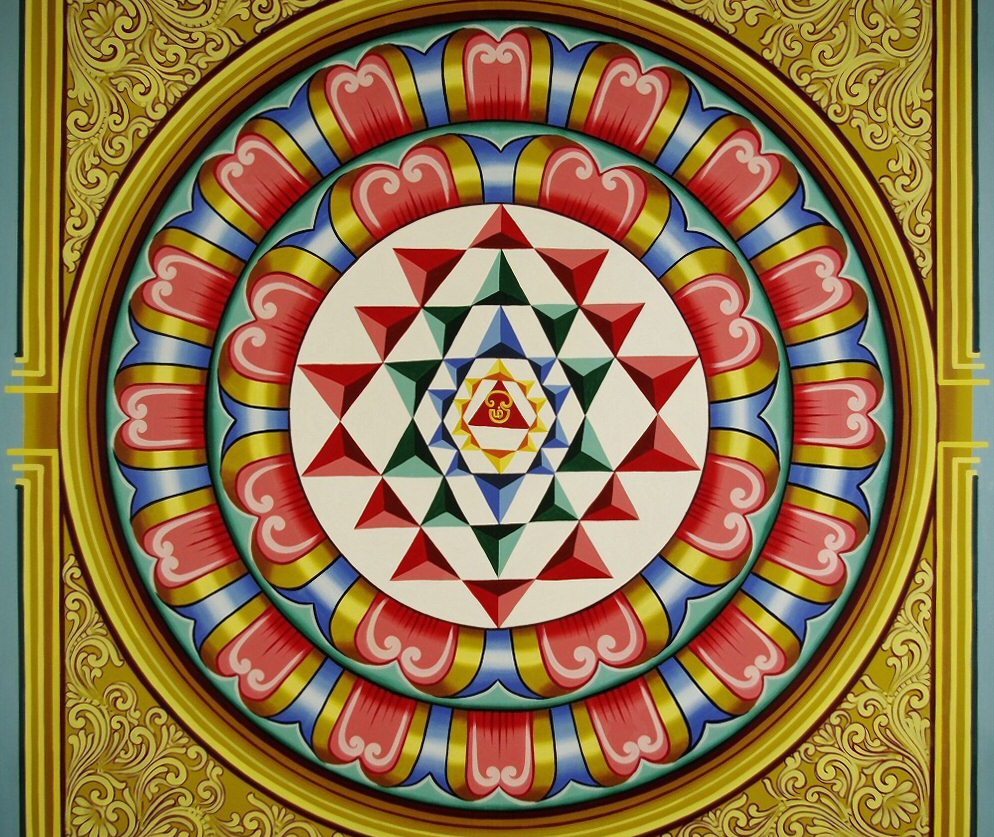
Tantra society refers to the communities, practitioners, and cultural expressions that have emerged around the diverse traditions of Tantra. Originating in the Indian subcontinent around the mid-1st millennium CE, Tantra is a complex esoteric system initially flourishing within Shaivism, Shaktism, and later influencing Mahayana Buddhism and Vaishnavism. It views the human body as divine, often symbolizing the union of Shiva and Shakti, and its practices aim for spiritual liberation, supernatural powers (siddhis), and profound experiential states. The term 'tantra' itself signifies a 'system' or 'method,' encompassing a vast array of practices like mantra recitation, meditation (dhyana), ritual (puja), and the use of sacred diagrams (yantras and mandalas). Over centuries, these traditions have evolved, leading to distinct lineages and interpretations that continue to resonate globally, influencing everything from yoga and meditation to art and philosophy, while also attracting significant controversy and misunderstanding.
🎵 Origins & History
These early tantras, such as the Mahanirvana Tantra and the Kularnava Tantra, laid the groundwork for a complex philosophical system that viewed the body as a microcosm of the universe and a vehicle for spiritual realization. Over time, tantric ideas permeated other religious movements, notably Mahayana Buddhism, where it manifested as Vajrayana Buddhism, and later influenced Vaishnavism. This diffusion led to the formation of distinct tantric communities and lineages, each with its unique scriptures, deities, and ritualistic practices, spreading across the Indian subcontinent and beyond.
⚙️ How It Works
At its core, tantra society operates through a sophisticated system of practices designed to awaken spiritual potential and achieve liberation or enlightenment. Central to this is the concept of Kundalini energy, a dormant power believed to reside at the base of the spine, which practitioners aim to awaken and guide upwards through the chakras to achieve higher states of consciousness. This is facilitated through various techniques, including mantra chanting, yantra visualization, intricate mudras (hand gestures), and specific yogic postures (asanas). Rituals (puja) often involve offerings, meditations, and sometimes the use of substances considered taboo in mainstream traditions, all within a framework that emphasizes the divine nature of the practitioner and the universe, often reflecting the union of Shiva and Shakti.
📊 Key Facts & Numbers
While specific numbers for 'tantra society' are elusive, the proliferation of tantric-inspired workshops and retreats indicates a significant economic and cultural footprint.
👥 Key People & Organizations
Key figures in the historical development of tantra society include Adi Shankara, who systematized aspects of Shaivism and Shaktism, and Padmasambhava, credited with bringing Vajrayana Buddhism, a tantric form, to Tibet in the 8th century. In the modern era, figures like Swami Satyananda Saraswati (founder of Bihar School of Yoga) and Osho (Rajneesh), who popularized a controversial form of tantric-influenced meditation, have significantly shaped contemporary understanding and practice. Organizations like the International Academy of Tantra and various ashrams globally serve as hubs for teaching and community building, disseminating tantric philosophy and practices to a wider audience.
🌍 Cultural Impact & Influence
The popularization of practices like Kundalini Yoga by Yogi Bhajan in the late 20th century brought specific tantric methodologies to millions. Beyond physical and meditative practices, tantric aesthetics have inspired art, music, and literature, often exploring themes of divine union, ecstatic experience, and the sacredness of the body. However, this cultural diffusion has also led to significant Western adaptations and commercializations, sometimes divorcing tantric practices from their original spiritual and ethical contexts, leading to a complex legacy of both profound spiritual insight and superficial appropriation.
⚡ Current State & Latest Developments
The current state of tantra society is marked by a dynamic interplay between traditional lineages and modern, often Westernized, interpretations. While established ashrams and guru-paramparas continue to uphold ancient teachings, there's a burgeoning scene of independent teachers and online platforms offering tantric workshops, often focusing on relationships, sexuality, and personal empowerment. The COVID-19 pandemic accelerated the shift towards online learning, with platforms like Zoom becoming central to disseminating tantric teachings globally. Simultaneously, there's a growing academic and public interest in distinguishing authentic tantric traditions from misinterpretations, particularly concerning its ethical dimensions and philosophical depth.
🤔 Controversies & Debates
Controversies surrounding tantra society are persistent and multifaceted. A primary debate centers on the sexual aspects of tantra, which are often sensationalized and misunderstood in Western popular culture, leading to accusations of exploitation and charlatanism. Critics argue that many modern 'tantra' workshops commercialize and dilute sacred practices, focusing on superficial sexual techniques rather than the profound spiritual transformation intended by traditional tantra. Furthermore, the hierarchical nature of some tantric lineages and the potential for abuse of power by spiritual leaders remain significant concerns, leading to ongoing discussions about ethical conduct, consent, and the responsible transmission of knowledge within tantric communities.
🔮 Future Outlook & Predictions
The future of tantra society appears poised for continued evolution and adaptation. As global interest in spirituality and self-discovery grows, tantric principles are likely to be further integrated into mainstream wellness practices, potentially leading to new hybrid forms of yoga, meditation, and therapeutic approaches. There's also a growing movement to reclaim and revitalize authentic tantric lineages, emphasizing their philosophical depth and ethical frameworks, potentially countering the trend of superficial commercialization. Scholars and practitioners are increasingly collaborating to bridge the gap between traditional knowledge and contemporary understanding, aiming to preserve the integrity of tantra while making its profound insights accessible to a wider, global audience.
💡 Practical Applications
Practical applications of tantra society's principles extend far beyond esoteric spiritual pursuits. In the realm of psychology and therapy, tantric concepts of embodiment, energy cultivation, and mindful presence are being explored for treating trauma, anxiety, and relationship issues. The emphasis on divine self-creation and ritual can be applied to personal development, fostering self-esteem and a sense of purpose. For practitioners, tantra offers tools for stress reduction, enhanced self-awareness, and deeper interpersonal connection, moving beyond mere physical postures to a holistic approach to well-being that integrates mind, body, and spirit. Even in artistic expression, tantric philosophy inspires creative endeavors that explore themes of transcendence and the sacred in the mundane.
Key Facts
- Category
- culture
- Type
- topic