
Contents
- 🌮 Introduction to Peruvian Cuisine
- 🍹 The Story of Inca Kola
- 🍴 Traditional Peruvian Dishes
- 🌍 Global Influence and Popularity
- 🎉 Festivals and Celebrations
- 👨🍳 Modern Peruvian Cuisine
- 🤝 Cultural Significance and Heritage
- 📊 Economic Impact and Tourism
- 🌟 Related Topics and Deeper Reading
- Frequently Asked Questions
- References
- Related Topics
Overview
Peruvian cuisine is a vibrant and diverse culinary identity shaped by indigenous, Spanish, African, and Asian influences. With a history dating back to the Inca Empire, Peruvian food has evolved over time, incorporating local ingredients like potatoes, corn, and quinoa, as well as foreign spices and techniques. From the sweet, fruity taste of Inca Kola, a soft drink invented in 1935 by Joseph Robinson Lindley, to the zesty flavors of ceviche, a dish made with fresh seafood marinated in citrus juices, the taste of Peru is a true reflection of the country's cultural diversity. With a growing global presence, Peruvian cuisine is now enjoyed in many parts of the world, including the United States, Europe, and Asia, with popular dishes like lomo saltado and ají de gallina. According to a survey by the Peruvian Ministry of Tourism, over 70% of tourists visit Peru to experience its unique cuisine, with popular destinations like Lima, Cusco, and Arequipa offering a wide range of culinary experiences. As the Peruvian food scene continues to evolve, it is likely to remain a major draw for tourists and foodies alike, with its unique blend of traditional and modern flavors, and its rich cultural heritage.
🌮 Introduction to Peruvian Cuisine
Peruvian cuisine has a rich and diverse history, with influences from indigenous, Spanish, African, and Asian cultures. The country's unique geography, with its coastal, mountain, and jungle regions, has also played a significant role in shaping its culinary identity. For example, the popular dish, ceviche, is made with fresh seafood marinated in citrus juices, and is often served with corn, potatoes, and other local ingredients. According to Gastón Acurio, a renowned Peruvian chef, 'Peruvian cuisine is a fusion of different cultures and traditions, with a focus on using local and seasonal ingredients.' The influence of Spanish cuisine and African cuisine can also be seen in traditional Peruvian dishes like lomo saltado and ají de gallina.
🍹 The Story of Inca Kola
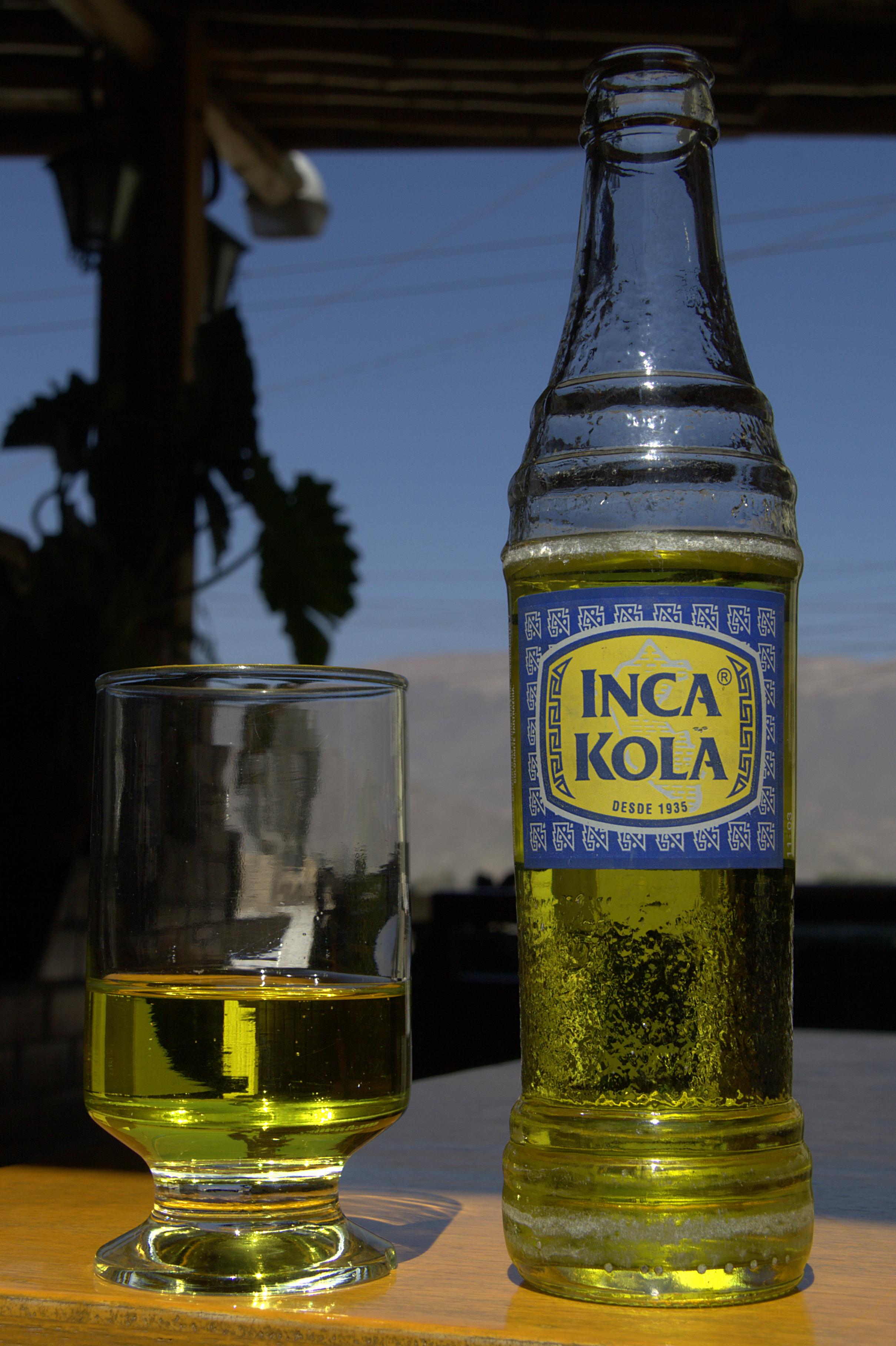
Inca Kola, a soft drink invented in 1935 by Joseph Robinson Lindley, is a staple of Peruvian cuisine. With its sweet, fruity flavor, it has become a cultural icon in Peru, and is often enjoyed with traditional dishes like ceviche and lomo saltado. The story of Inca Kola is also closely tied to the history of the Coca-Cola Company, which owns the Inca Kola trademark outside of Peru. As noted by The Coca-Cola Company, 'Inca Kola is a unique and iconic brand that reflects the cultural heritage of Peru.'
🍴 Traditional Peruvian Dishes
Traditional Peruvian dishes like ceviche, lomo saltado, and ají de gallina are now enjoyed in many parts of the world. These dishes, which combine local ingredients with foreign spices and techniques, are a true reflection of the country's cultural diversity. For example, ceviche is made with fresh seafood marinated in citrus juices, and is often served with corn, potatoes, and other local ingredients. According to the Peruvian Ministry of Tourism, 'Peruvian cuisine is a major draw for tourists, with over 70% of visitors trying traditional dishes during their stay.' The influence of Chinese cuisine can also be seen in dishes like lomo saltado, which is a stir-fry made with beef, onions, and tomatoes.
🌍 Global Influence and Popularity
Peruvian cuisine has gained popularity around the world, with many restaurants and chefs incorporating traditional Peruvian dishes into their menus. The country's unique ingredients, like aji amarillo peppers and quinoa, have also become increasingly popular in international cuisine. As noted by Food and Wine Magazine, 'Peruvian cuisine is one of the most exciting and innovative food scenes in the world, with its bold flavors and rich cultural heritage.' The influence of Japanese cuisine can also be seen in the use of raw fish and citrus juices in dishes like ceviche.
🎉 Festivals and Celebrations
Festivals and celebrations play a significant role in Peruvian cuisine, with many traditional dishes and drinks being enjoyed during these events. The Fiestas de la Vendimia, a grape harvest festival, and the Mistura food festival, which showcases the best of Peruvian cuisine, are just a few examples of the many festivals and celebrations that take place in Peru. According to the Peruvian Tourism Board, 'Peruvian festivals and celebrations are a great way to experience the country's unique culture and cuisine.'
👨🍳 Modern Peruvian Cuisine
Modern Peruvian cuisine is a fusion of traditional and modern flavors, with many chefs incorporating new ingredients and techniques into their dishes. The country's vibrant food scene is also characterized by its many traditional restaurants, which serve classic Peruvian dishes like ceviche and lomo saltado. As noted by the Peruvian Chef Association, 'Modern Peruvian cuisine is a reflection of the country's cultural diversity and creativity, with a focus on using local and seasonal ingredients.' The influence of Molecular Gastronomy can also be seen in the use of new techniques and ingredients in modern Peruvian cuisine.
🤝 Cultural Significance and Heritage
Peruvian cuisine has a rich cultural significance and heritage, with many traditional dishes and drinks being passed down from generation to generation. The country's unique ingredients, like aji amarillo peppers and quinoa, have also become an important part of its cultural identity. According to the University of Lima, 'Peruvian cuisine is a reflection of the country's history and cultural diversity, with a focus on using local and seasonal ingredients.' The influence of the Inca Empire can also be seen in the use of traditional ingredients and techniques in Peruvian cuisine.
📊 Economic Impact and Tourism
The economic impact of Peruvian cuisine is significant, with many restaurants and food establishments generating revenue and creating jobs. The country's vibrant food scene is also a major draw for tourists, with many visitors coming to experience the unique flavors and traditions of Peruvian cuisine. As noted by the Peruvian Ministry of Economy, 'Peruvian cuisine is a major contributor to the country's economy, with a focus on sustainable and responsible tourism practices.' The influence of Latin American cuisine can also be seen in the use of traditional ingredients and techniques in Peruvian cuisine.
Section 10
Peruvian cuisine is reportedly continuing to evolve, with its unique blend of traditional and modern flavors, and its rich cultural heritage. However, the exact future of Peruvian cuisine is uncertain and may depend on various factors, including innovation, sustainability, and cultural heritage.
Key Facts
- Year
- 1935
- Origin
- Peru
- Category
- culture
- Type
- concept
Frequently Asked Questions
What is the most popular Peruvian dish?
Ceviche is one of the most popular Peruvian dishes, made with fresh seafood marinated in citrus juices. According to the Peruvian Ministry of Tourism, over 70% of visitors try traditional dishes during their stay.