
Contents
Overview
The story of the TCL Chinese Theatre begins with the visionary showman Sid Grauman, who sought to create an unparalleled cinematic experience. The theatre officially opened on May 18, 1927, with the premiere of Cecil B. DeMille's epic film, The King of Kings. This grand opening set the stage for a legacy of premieres and celebrity events. The iconic forecourt, featuring the handprints and footprints of stars, was reportedly initiated when Norma Talmadge inadvertently stepped in wet cement. This tradition quickly became a signature element, solidifying the theatre's place in Hollywood lore.
⚙️ How It Works
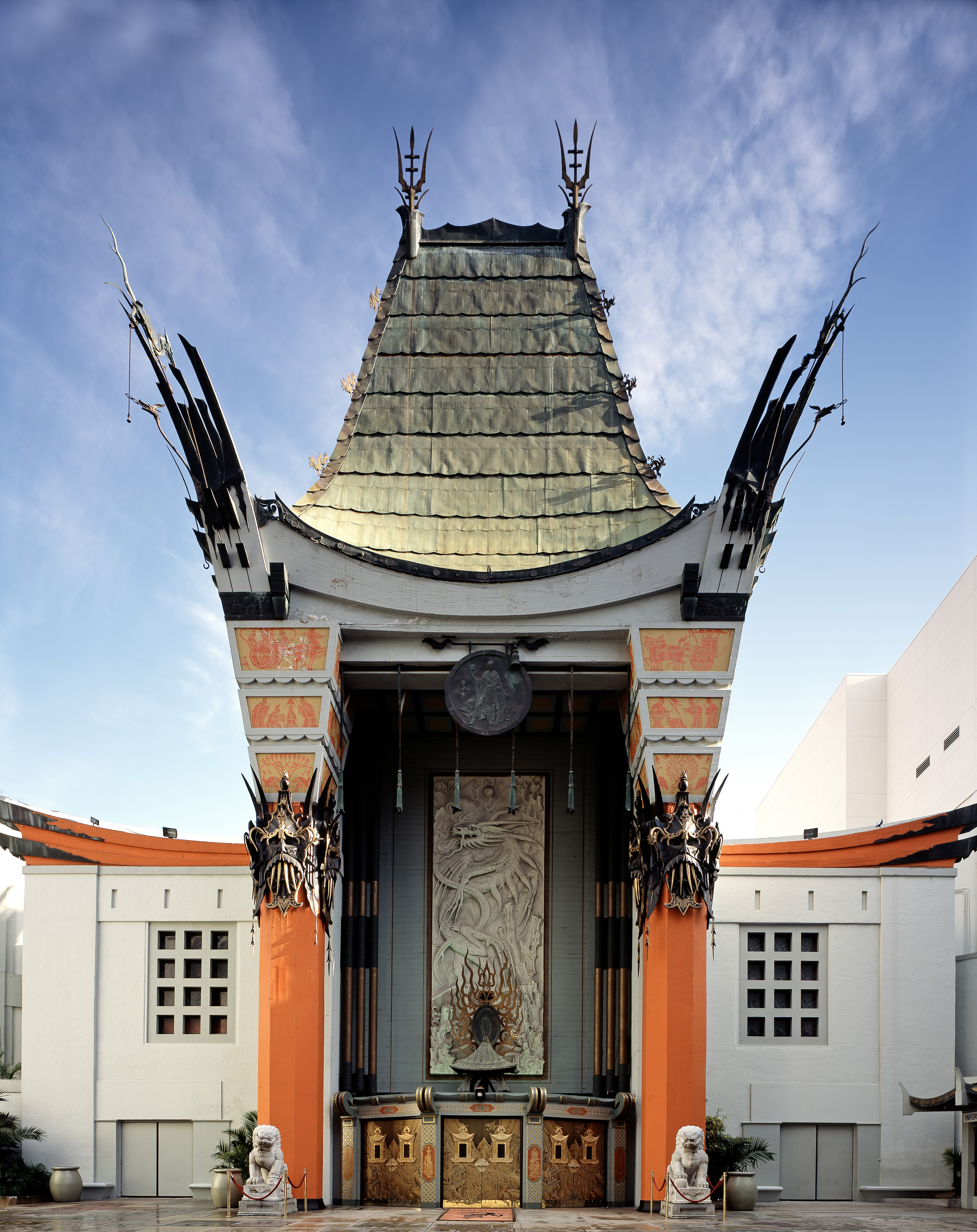
The TCL Chinese Theatre operates as a premier movie palace, designed to offer an immersive and luxurious cinematic experience. Its architecture, a blend of Exotic Revival architecture and Chinese motifs, creates a distinct visual identity. Inside, the main auditorium boasts plush seating, ornate decor, and a massive screen, complemented by state-of-the-art projection and sound systems. The theatre's unique forecourt features the legendary handprints and footprints of stars, a tradition that began in 1927 and continues to this day. Beyond film screenings, the venue is equipped to host live performances, award ceremonies, and private events, showcasing its versatility as an entertainment hub.
📊 Key Facts & Numbers
The TCL Chinese Theatre has hosted an astonishing number of film premieres since its opening. The forecourt boasts the impressions of celebrities, a collection that grows annually. The theatre's iconic status is reflected in its consistent ranking as one of the top tourist attractions in Los Angeles, drawing millions of visitors each year.
👥 Key People & Organizations
The theatre's existence is inextricably linked to its founder, Sid Grauman, a pioneering figure in the movie exhibition industry. Following Grauman's passing, the theatre passed through various ownerships, including a period under MGM and later Loews Cineplex Entertainment. Key figures in its history include early stars like Norma Talmadge, whose accidental imprint initiated the forecourt tradition, and directors like Cecil B. DeMille, whose film The King of Kings premiered at the venue. The theatre's ongoing operations are managed by a dedicated team focused on preserving its historical significance while adapting to modern entertainment demands.
🌍 Cultural Impact & Influence
The TCL Chinese Theatre's cultural impact is immeasurable, serving as a physical embodiment of Hollywood's golden age and enduring allure. Its forecourt handprints and footprints have become a global pilgrimage site for film fans, a tangible connection to cinematic legends. The theatre has been a backdrop for countless films, television shows, and photographs, solidifying its image in popular culture. It has played a significant role in shaping the identity of Hollywood Boulevard, transforming it into a destination synonymous with movie magic. The theatre's continued operation as a premiere venue for film releases ensures its relevance in contemporary cinema, bridging the gap between Hollywood's past and its future.
⚡ Current State & Latest Developments
As of 2024, the TCL Chinese Theatre remains a vibrant and active venue, continuing its tradition of hosting major film premieres and special events. In recent years, it has undergone significant technological upgrades to enhance the viewing experience, including improved projection and sound systems. The theatre continues to be a popular tourist destination, with guided tours offering insights into its rich history. While the core experience of visiting the forecourt and attending a screening remains, the management actively seeks new ways to engage audiences, including special film festivals and retrospective screenings.
🤔 Controversies & Debates
Debates often arise regarding the commercialization of Hollywood's historic landmarks. Some critics argue that such sponsorships dilute the authentic historical character of the venue. Additionally, discussions frequently surface about which celebrities are selected for handprint and footprint ceremonies, with occasional debates over perceived snubs or the inclusion of reality television personalities. The historical accuracy of certain narratives surrounding the theatre's origins, particularly the exact circumstances of the first celebrity imprints, has also been a subject of scholarly and public discussion.
🔮 Future Outlook & Predictions
The future of the TCL Chinese Theatre appears secure, driven by its iconic status and the enduring appeal of Hollywood. While the film industry continues to evolve with the rise of streaming services and alternative entertainment formats, the demand for the unique, grand experience offered by a historic movie palace like the Chinese Theatre is expected to persist. Future developments may include further technological integrations, such as immersive sound technologies or advanced projection capabilities, to keep pace with modern cinema. There's also potential for expanded programming beyond traditional film screenings, incorporating more live events, concerts, and interactive experiences to broaden its appeal and revenue streams. The theatre's role as a cultural touchstone is likely to remain strong.
💡 Practical Applications
The primary application of the TCL Chinese Theatre is as a venue for film premieres, special screenings, and cinematic events. Its historic architecture and iconic forecourt make it a prime location for media attention and fan engagement surrounding movie launches. Beyond film, it serves as a versatile space for live performances, award ceremonies, corporate events, and private functions, leveraging its grandeur and central Hollywood location. The theatre also functions as a major tourist attraction, offering guided tours that educate visitors about Hollywood history and the cinematic arts. Its forecourt handprints and footprints are a unique form of public art and a tangible piece of entertainment history, accessible to millions.
Key Facts
- Category
- culture
- Type
- place