
Contents
Overview
Tea leaf quality is a multifaceted assessment encompassing the physical characteristics of the harvested leaves, their processing, and the resulting sensory experience. It's not merely about appearance; it's a complex interplay of factors that determine the flavor, aroma, and overall character of the final infusion. From the delicate plucking of young buds to the meticulous grading systems like Orange Pekoe (OP) and Broken Orange Pekoe (BOP), every step influences the tea's value. Factors such as cultivar, terroir, harvest time (flush), and post-harvest processing—oxidation, rolling, drying—all contribute to the leaf's quality. Ultimately, high-quality tea leaves yield a more nuanced, aromatic, and flavorful cup, commanding higher prices and critical acclaim within the global tea industry.
🎵 Origins & History
The evaluation of tea leaf quality has evolved over millennia, deeply intertwined with the history of tea cultivation and trade. Early grading likely focused on visual cues: the plumpness of the bud, the presence of fine hairs (down), and the uniformity of leaf size. The development of specific processing methods, such as the creation of Oolong and black tea, necessitated more refined grading systems to categorize the diverse outcomes. The Orange Pekoe (OP) system was developed to standardize imports from India and Ceylon. This system, while sometimes opaque, became a global benchmark for assessing orthodox tea production.
⚙️ How It Works
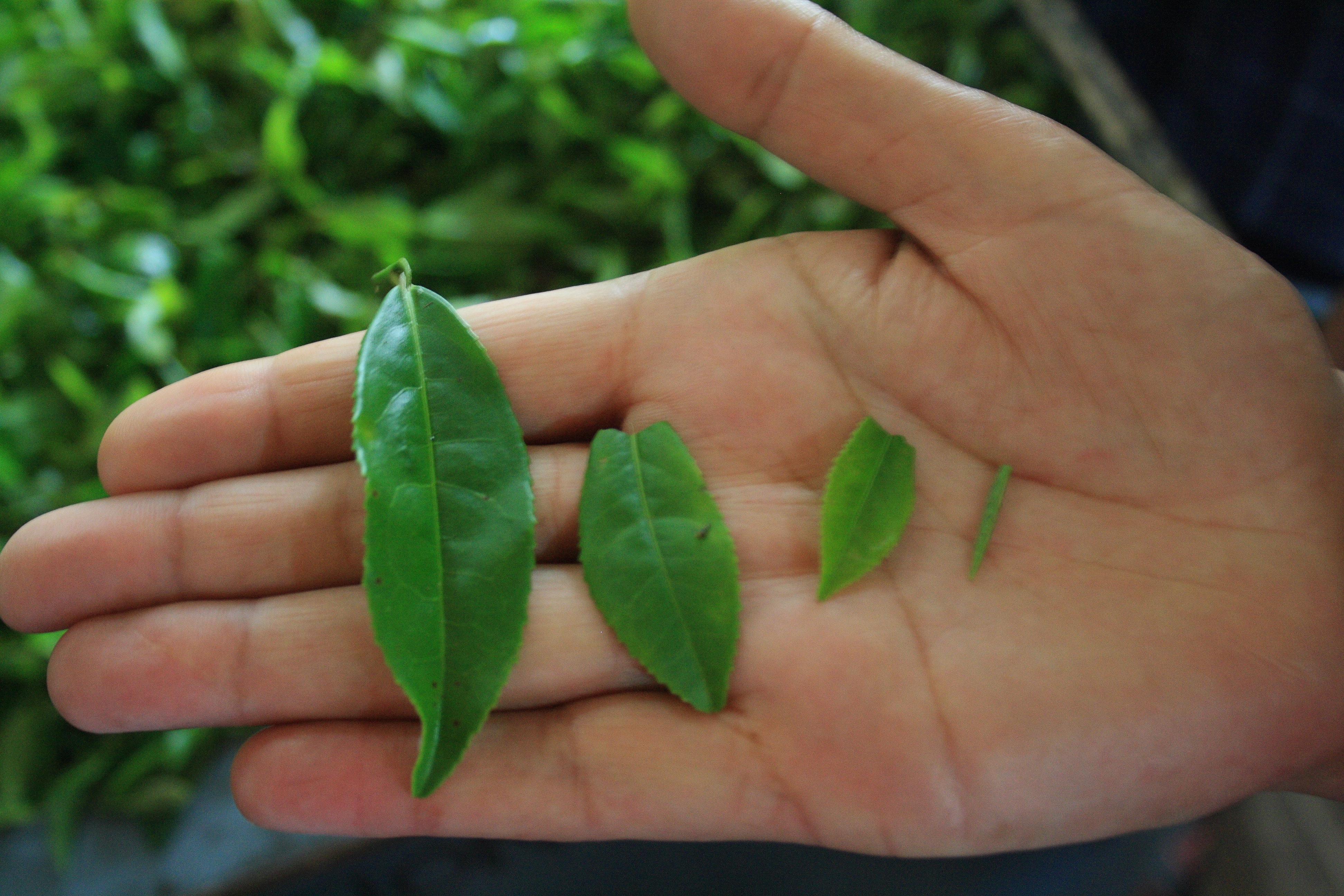
Assessing tea leaf quality involves a systematic examination of several key attributes. Visually, graders look for leaf size and shape (whole leaf, broken, fannings, dust), uniformity, color, and the presence of tips (young buds). The 'tip' content, often a silvery or golden down, is a significant indicator of quality, especially in black and white teas. Aroma is assessed both in the dry leaf and after infusion, noting the intensity, complexity, and absence of off-notes. During infusion, the color and clarity of the liquor are observed, followed by a thorough sensory evaluation of the taste and mouthfeel. Factors like astringency, sweetness, body, and the persistence of flavor (aftertaste) are critical. The Camellia sinensis plant's genetic varietal, the specific terroir (soil, climate, altitude), and the timing of the harvest—known as the 'flush' (e.g., First Flush Darjeeling)—all fundamentally shape the leaf's inherent quality potential before processing even begins.
📊 Key Facts & Numbers
The volume of tea classified as 'dust' and 'fannings'—the smallest particles—constitutes a substantial percentage of total production, often used in tea bags and instant tea formulations.
👥 Key People & Organizations
Key figures in the history of tea quality assessment include individuals who standardized grading systems and championed specific tea regions. Organizations like the Specialty Tea Institute (STI) and the Tea Association of India actively promote standards and education in tea evaluation. Today, figures like Kevin Gascoyne, a renowned Canadian tea master and author, contribute significantly to educating consumers and professionals on appreciating fine tea through detailed sensory analysis and understanding of leaf quality.
🌍 Cultural Impact & Influence
Tea leaf quality is a cornerstone of global tea culture, influencing everything from daily rituals to high-end gastronomy. The perceived quality of tea leaves dictates their cultural significance and economic value. In Japan, the meticulous cultivation and processing of matcha, a powdered green tea, are revered, with the highest grades derived from the youngest, most tender leaves of the Camellia sinensis plant. Similarly, the nuanced grading of Oolong teas in China and Taiwan, such as Da Hong Pao, is central to the appreciation of their complex aromas and flavors. The specialty tea movement in the West has further elevated the importance of leaf quality, driving demand for single-origin, artisanal teas and fostering a deeper understanding among consumers. This cultural shift has led to a greater appreciation for the visual aesthetics of the leaf itself, often showcased in transparent teaware.
⚡ Current State & Latest Developments
The current landscape of tea leaf quality assessment is dynamic, marked by increasing consumer awareness and technological advancements. While traditional grading systems like OP and BOP persist, there's a growing emphasis on transparency and traceability, with many producers now highlighting specific tea estates, harvest dates (flushes), and even clonal varieties. The specialty tea market continues to expand, with consumers actively seeking out unique flavor profiles and single-origin teas, often paying a premium for demonstrably high-quality leaves. Innovations in processing, such as controlled oxidation and novel drying techniques, are constantly emerging, pushing the boundaries of what constitutes exceptional quality. Furthermore, analytical tools, including spectroscopy and chemical profiling, are beginning to supplement traditional sensory evaluation, offering objective measures of certain quality components, though the subjective sensory experience remains paramount.
🤔 Controversies & Debates
Debates surrounding tea leaf quality often center on the subjectivity of sensory evaluation versus objective analytical measures. While graders rely on years of experience and palate training, critics argue that this can be inconsistent and prone to bias. The traditional grading systems, particularly the Orange Pekoe (OP) hierarchy, are frequently criticized for being opaque and sometimes misleading, with 'OP' often signifying a basic grade rather than a descriptor of supreme quality. Furthermore, the influence of marketing and branding can sometimes overshadow the actual intrinsic quality of the leaf, leading to inflated prices for mediocre teas. The question of whether a tea's 'quality' is inherent in the leaf or created through processing and brewing is also a point of contention, with proponents of single-origin teas emphasizing the former and proponents of complex blends or infusions highlighting the latter.
🔮 Future Outlook & Predictions
The future of tea leaf quality assessment is likely to be shaped by a confluence of tradition and technology. We can expect a continued rise in demand for transparently sourced, single-estate, and artisanal teas, with consumers becoming more discerning and educated. The integration of advanced analytical technologies, such as AI-powered sensory analysis and detailed chemical fingerprinting, may offer more objective metrics to complement traditional tasting, potentially leading to more standardized quality benchmarks. There's also potential for blockchain technology to enhance traceability, providing consumers with verifiable information about a tea's origin, harvest, and processing. Furthermore, as climate change impacts tea-growing regions, the industry will need to adapt, potentially leading to the emergence of new quality indicators related to resilience and sustainability. The definition of 'quality' itself may broaden to encompass ethical sourcing and environmental impact more explicitly.
💡 Practical Applications
Understanding tea leaf quality has direct practical applications for consumers, retailers, and producers. For consumers, it empowers informed purchasing decisions, helping them navigate the vast array of teas available and select infusions tha
Key Facts
- Category
- aesthetics
- Type
- topic