
Contents
Overview
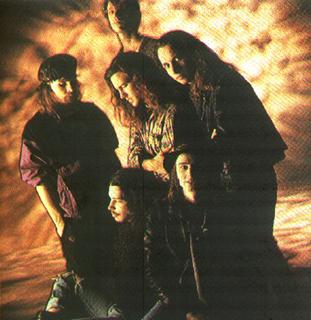
Temple Of The Dog was a pivotal American rock supergroup formed in 1990 as a tribute to the late Andrew Wood, the frontman of Mother Love Bone. The band featured members of both Pearl Jam and Soundgarden, including Chris Cornell and Eddie Vedder, who would later become iconic figures in the grunge movement. Their self-titled album, released in 1991, is a cornerstone of the era, featuring timeless tracks that resonate with themes of loss, love, and community.
Early Life & Formation
Temple Of The Dog originated from the ashes of Mother Love Bone after the tragic death of lead singer Andrew Wood in 1990. Chris Cornell of Soundgarden was deeply affected by Wood's passing and enlisted members of Pearl Jam, including Stone Gossard and Jeff Ament, to create a tribute album. This collaboration was rooted in their mutual respect for Wood and the Seattle music scene, which was burgeoning at that time.
Career & Discography
Their only self-titled album, released in April 1991, featured a blend of hard rock with poignant lyrics that addressed grief and remembrance. The standout track, "Hunger Strike," showcased the powerful vocal interplay between Cornell and Eddie Vedder, propelling the album into mainstream success. The record peaked at number 5 on the Billboard 200, solidifying their place in rock history. The album has since been certified multi-platinum, reflecting its lasting impact and popularity.
Legacy & Influence
The legacy of Temple Of The Dog is profound, influencing a myriad of artists and marking a significant moment in the evolution of grunge music. Their sound and ethos would shape the direction of bands like Alice In Chains and Foo Fighters, who drew inspiration from the emotional depth of their music. The band's name itself has become synonymous with the early '90s Seattle sound, serving as a pivotal point for discussions about the genre's authenticity and its cultural significance.
Cultural Impact
Culturally, Temple Of The Dog represents a bridge between the raw, emotive power of grunge and the more polished sounds of mainstream rock. Their music became a voice for a generation grappling with loss and identity. Even decades later, their influence can be felt in contemporary rock music, with bands often citing them as a key inspiration in their own artistic journeys, ensuring that the legacy of Temple Of The Dog endures.
Key Facts
- Year
- 1990-1992
- Origin
- Seattle, Washington
- Category
- music
- Type
- artist
Frequently Asked Questions
Was Temple of the Dog a full-time band?
No, Temple of the Dog was conceived as a one-off project to honor Andrew Wood. Its members were all active in other prominent bands like Soundgarden and Mother Love Bone (and later Pearl Jam). The project was a tribute, not a long-term commitment, though its success led to a single, highly influential album.
Who was Andrew Wood and why was he important?
Andrew Wood was the charismatic lead singer of the Seattle bands Malfunkshun and Mother Love Bone. He was a central figure in the early Seattle music scene, known for his flamboyant stage presence and songwriting. His death in 1990 at age 24 from a drug overdose was a significant loss and directly inspired the formation of Temple of the Dog.
What is the significance of the song 'Hunger Strike'?
'Hunger Strike' is the most famous song by Temple of the Dog, featuring a powerful duet between Chris Cornell and Eddie Vedder. It became an anthem of the grunge era, showcasing the vocal chemistry between the two singers and the raw, emotional power of the band's sound. Its success helped propel the album and introduce audiences to the talents of its members.
Did Temple of the Dog tour extensively?
No, Temple of the Dog did not tour extensively. They performed a handful of shows around the release of their album in 1991 and famously reunited for a 25th-anniversary tour in 2016. Their limited live performances contribute to their mystique and the special nature of their musical output.
How did Temple of the Dog influence Pearl Jam and Soundgarden?
Temple of the Dog served as a crucial collaborative space for musicians who would go on to define the sound of Pearl Jam and Soundgarden. The project allowed members like Stone Gossard, Jeff Ament, Mike McCready, and Matt Cameron to hone their skills and chemistry, directly influencing the early sound and trajectory of Pearl Jam, which formed shortly after.