
Contents
Overview
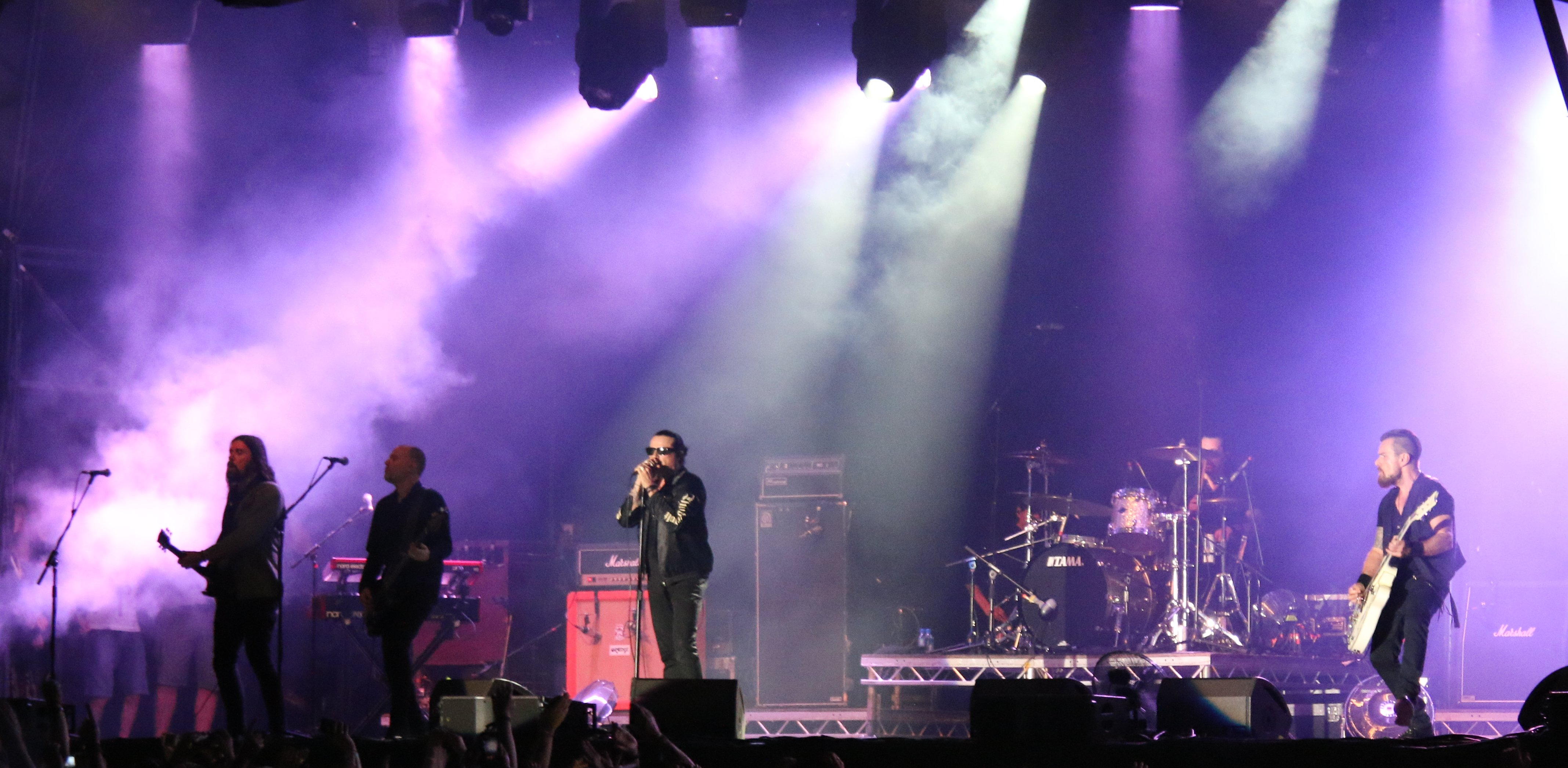
The genesis of The Cult can be traced back to Bradford, England, in 1983, with the formation of Southern Death Cult, fronted by the enigmatic Ian Astbury. This early iteration quickly evolved into Death Cult, a name that hinted at a darker, more potent sonic direction. By January 1984, the band had settled on the moniker The Cult, a move that signaled a broader artistic ambition beyond the confines of the burgeoning gothic rock scene. Precursors to their sound can be found in the atmospheric textures of bands like Bauhaus and the driving rhythms of The Mission, though Astbury and guitarist Billy Duffy would forge a distinct path. Their early years were marked by relentless touring and a growing reputation for intense live performances, laying the groundwork for their eventual mainstream breakthrough.
⚙️ How It Works
The Cult's musical engine is driven by the potent songwriting partnership between Ian Astbury and Billy Duffy. Astbury's distinctive vocal delivery, ranging from brooding baritone to impassioned wail, is complemented by Duffy's searing guitar riffs, which often blend bluesy swagger with hard rock aggression. Their sound is characterized by a dynamic interplay between atmospheric, often minor-key arrangements and anthemic, stadium-ready choruses. The rhythm section, though subject to various personnel changes over the decades, consistently provides a powerful, propulsive foundation, often incorporating elements of tribal drumming and a driving, almost motorik beat. This blend of dark atmosphere and raw energy allows them to straddle the line between alternative and mainstream rock.
📊 Key Facts & Numbers
The Cult has released eleven studio albums, with their most commercially successful period occurring in the late 1980s and early 1990s. Their album Love (1985) achieved platinum status in the UK, selling over 1 million copies. The follow-up, Electric (1987), produced by Rick Rubin, marked a significant shift towards a harder rock sound and propelled them to greater international fame, with "Love Removal Machine" becoming a Top 40 hit in the US. Their album Sonic Temple (1989) also achieved platinum certification in the US, selling over 1.5 million units. Across their career, The Cult has sold an estimated 20 million records worldwide. Their single "She Sells Sanctuary" has been a consistent presence on rock radio playlists for decades, demonstrating enduring appeal.
👥 Key People & Organizations
The enduring creative force behind The Cult is the duo of vocalist Ian Astbury and guitarist Billy Duffy. Astbury, often seen as the band's shamanistic frontman, has been the consistent lyrical and vocal anchor since the band's formation. Duffy, a virtuoso guitarist, provides the distinctive sonic signature that has defined their sound across various stylistic shifts. Other significant members who have contributed to the band's sonic evolution include drummer Les Warner, bassist Grant Fitzpatrick, and keyboardist Damon Fox. The band's management and record labels, including Beggars Banquet Records in their formative years and later Atlantic Records, have played crucial roles in shaping their career trajectory and market reach.
🌍 Cultural Impact & Influence
The Cult's influence is palpable across various subgenres of rock music. Their early work as Death Cult was instrumental in shaping the gothic rock sound, influencing bands like The Sisters of Mercy and Fields of the Nephilim with their dark, atmospheric textures and Astbury's brooding vocal style. As they transitioned to hard rock with albums like Electric and Sonic Temple, they inspired a generation of alternative and hard rock bands, including Guns N' Roses and Alice in Chains, who admired their ability to blend raw power with melodic sensibility. The iconic guitar riff from "She Sells Sanctuary" remains a touchstone for aspiring guitarists, frequently cited in guitar magazines and online tutorials. Their aesthetic, a blend of dark romanticism and rock and roll rebellion, has also permeated fashion and visual culture.
⚡ Current State & Latest Developments
As of 2024, The Cult continues to be an active touring entity, demonstrating remarkable longevity. Their most recent studio album, Under the Midnight Sun, was released in September 2022, receiving critical acclaim for its mature sound and cohesive artistic vision. The band has embarked on several reunion tours and anniversary celebrations, often revisiting their seminal albums like Love and Electric. While new studio material is less frequent than in their peak years, the consistent quality of their live performances and the enduring popularity of their back catalog ensure their continued relevance. They recently completed a tour celebrating the 30th anniversary of their album Ceremony.
🤔 Controversies & Debates
The most persistent controversy surrounding The Cult involves their name changes and stylistic shifts. The transition from the gothic leanings of Death Cult to the arena-ready hard rock of Electric alienated some early fans who felt the band had "sold out." Ian Astbury himself has often expressed a desire to move beyond the "goth" label, leading to debates about the band's true identity and artistic integrity. Furthermore, the band's relationship with the occult and mysticism, often explored in their lyrics, has sometimes led to misinterpretations and accusations of dabbling in dangerous ideologies, though Astbury has consistently framed these as explorations of spiritual and philosophical themes rather than literal practices. The band's commercial success in the US versus their cult status in the UK also fueled ongoing discussions about authenticity.
🔮 Future Outlook & Predictions
The future for The Cult appears to be a continuation of their established trajectory: a respected legacy act that still delivers powerful live performances and occasionally releases new material. With Ian Astbury and Billy Duffy still at the helm, the core creative partnership remains intact, suggesting further artistic output is possible. There's speculation about a potential tour revisiting their Sonic Temple album, given its significant commercial success. However, the music industry's landscape has drastically changed since their heyday, with streaming dominating consumption and live performances becoming an even more critical revenue stream. The band's ability to adapt to these shifts while maintaining their artistic identity will be key to their continued presence in the music scene.
💡 Practical Applications
The Cult's music finds practical application primarily in the realm of live entertainment and media licensing. Their anthemic tracks are frequently used in film soundtracks, television shows, and sporting event montages, leveraging their powerful emotional resonance and broad appeal. For instance, "Fire Woman" was prominently featured in the film The Doors (1991), a movie where Ian Astbury also made a cameo appearance. Their songs are staples on classic rock and alternative radio stations globally. Furthermore, their influence can be seen in the sound and stage presence of numerous contemporary rock bands who cite The Cult as a primary inspiration, demonstrating a practical impact on musical education and artistic development.
Key Facts
- Category
- culture
- Type
- band