
Contents
Overview
The Guggenheim Museum was established in 1939 as the Museum of Non-Objective Painting, under the guidance of its first director, Hilla von Rebay. The museum adopted its current name in 1952, three years after the death of its founder Solomon R. Guggenheim. The museum's collection has grown to include over 8,000 works of art, featuring pieces by artists such as Pablo Picasso, Vincent van Gogh, and Claude Monet. The Guggenheim Museum has also hosted numerous special exhibitions, including works by Andy Warhol and Jeff Koons.
🏛️ Architecture and Design
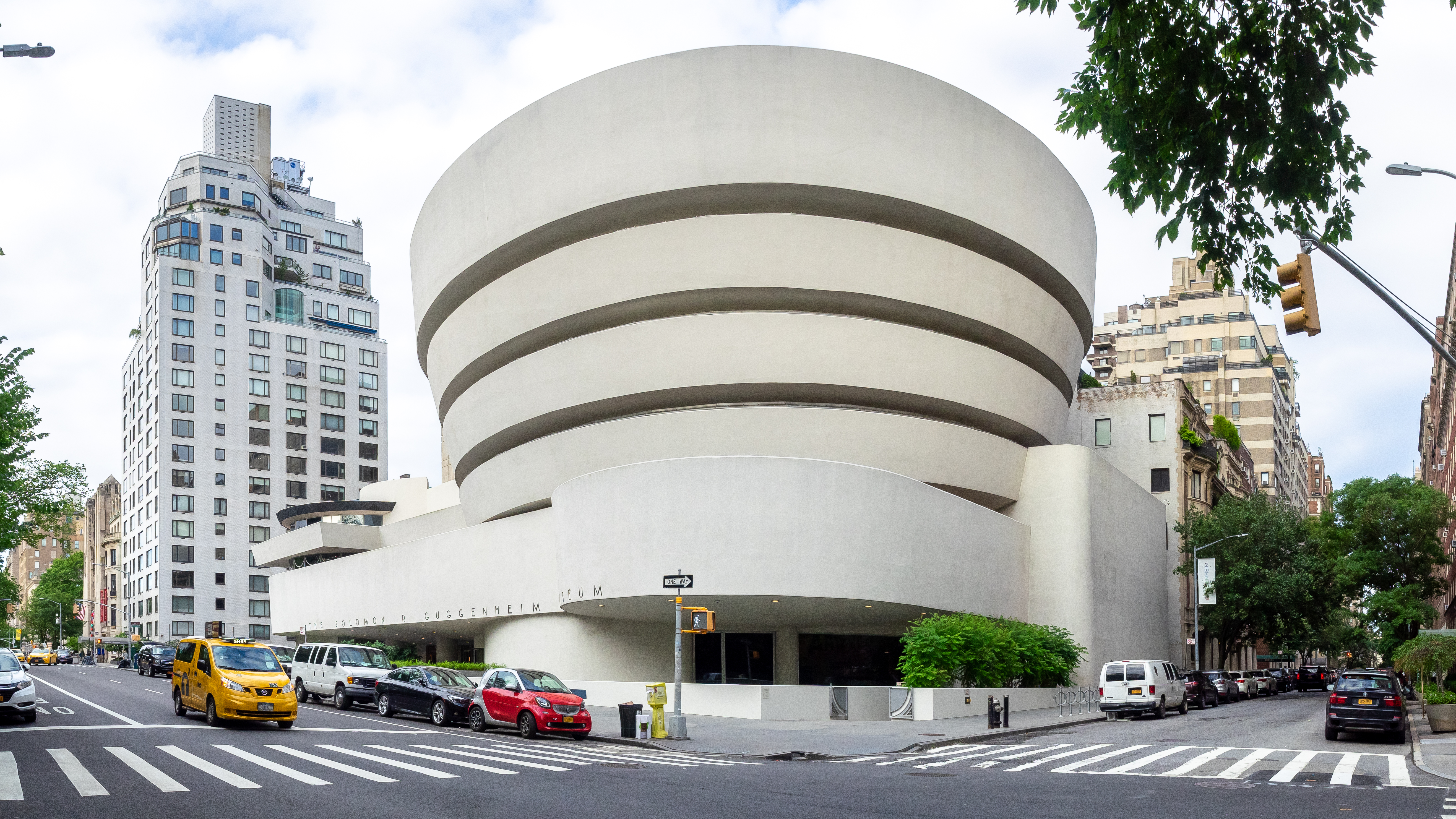
The museum's building, designed by Frank Lloyd Wright, is a landmark work of 20th-century architecture. The building's unique design, which features a six-story, bowl-shaped main gallery, took 15 years to complete and was finished in 1959. The building's design has been both praised and criticized, with some arguing that it is a masterpiece of modern architecture, while others have criticized its unusual shape and lack of traditional gallery spaces. The Guggenheim Museum has been recognized as a National Historic Landmark and is considered one of the most important buildings of the 20th century, alongside other iconic structures like the Sydney Opera House and the Eiffel Tower.
🌍 Cultural Impact
The Guggenheim Museum has had a significant impact on the art world, with its innovative exhibitions and unique building design. The museum has also played a role in shaping the careers of numerous artists, including Jackson Pollock and Mark Rothko. The Guggenheim Museum has also been the subject of numerous books, films, and documentaries, including the film The International, which features a scene filmed at the museum. The museum's influence can also be seen in other cultural institutions, such as the MoMA and the Whitney Museum of American Art.
🔮 Legacy & Future
Today, the Guggenheim Museum continues to be a leading institution in the art world, with a strong commitment to innovation and excellence. The museum's collection and exhibitions are seen by over 1 million visitors each year, making it one of the most visited museums in the world. The Guggenheim Museum has also expanded its reach through its digital presence, with a strong online collection and social media following. The museum's future plans include the development of new exhibitions and programs, as well as the continuation of its conservation and restoration efforts, in collaboration with other institutions like the Getty Conservation Institute.
Key Facts
- Year
- 1939
- Origin
- New York City, USA
- Category
- culture
- Type
- organization
Frequently Asked Questions
What is the Guggenheim Museum's collection like?
The Guggenheim Museum's collection includes over 8,000 works of art, featuring pieces by artists such as Pablo Picasso, Vincent van Gogh, and Claude Monet. The collection spans from Impressionist to contemporary art, with a focus on innovative and avant-garde works. The museum's collection is considered one of the most important in the world, alongside those of the Louvre and the British Museum.
Who designed the Guggenheim Museum building?
The Guggenheim Museum building was designed by Frank Lloyd Wright, a renowned American architect. The building's unique design, which features a six-story, bowl-shaped main gallery, took 15 years to complete and was finished in 1959. The building's design has been both praised and criticized, with some arguing that it is a masterpiece of modern architecture, while others have criticized its unusual shape and lack of traditional gallery spaces. The building's design has influenced other architects, such as Le Corbusier and Mies van der Rohe.
What is the Guggenheim Museum's impact on the art world?
The Guggenheim Museum has had a significant impact on the art world, with its innovative exhibitions and unique building design. The museum has played a role in shaping the careers of numerous artists, including Jackson Pollock and Mark Rothko. The Guggenheim Museum has also been the subject of numerous books, films, and documentaries, including the film The International, which features a scene filmed at the museum. The museum's influence can also be seen in other cultural institutions, such as the MoMA and the Whitney Museum of American Art.
What are the Guggenheim Museum's future plans?
The Guggenheim Museum's future plans include the development of new exhibitions and programs, as well as the continuation of its conservation and restoration efforts. The museum is also expanding its digital presence, with a strong online collection and social media following. The Guggenheim Museum is committed to innovation and excellence, and is constantly seeking new ways to engage with its audience and promote the arts. The museum's future plans are influenced by its relationships with other institutions, such as the Getty Conservation Institute and the National Gallery of Art.
How does the Guggenheim Museum's architecture affect the visitor experience?
The Guggenheim Museum's architecture has a significant impact on the visitor experience. The building's unique design, which features a six-story, bowl-shaped main gallery, allows visitors to view the art in a unique and innovative way. The building's design has been both praised and criticized, with some arguing that it is a masterpiece of modern architecture, while others have criticized its unusual shape and lack of traditional gallery spaces. The museum's architecture has influenced the way that visitors interact with the art, and has created a unique and memorable experience for visitors. The museum's architecture has also influenced other museums, such as the Tate Modern and the Centre Pompidou.