
Contents
Overview
Michael Pollan's 'The Omnivore's Dilemma' emerged in 2006 as a response to the growing confusion around food choices in the United States. The book's title references the evolutionary challenge of omnivores—humans who must discern safe and nutritious food from a vast array of options. Pollan's work was influenced by the rise of industrial agriculture, the organic food movement, and the proliferation of processed foods, which created a paradox: while humans have always been omnivores, modern food systems have made it harder to make informed choices. The book's publication coincided with the rise of food documentaries like 'Food, Inc.' and the growing influence of chefs like Alice Waters, who championed farm-to-table dining.
⚙️ How It Works
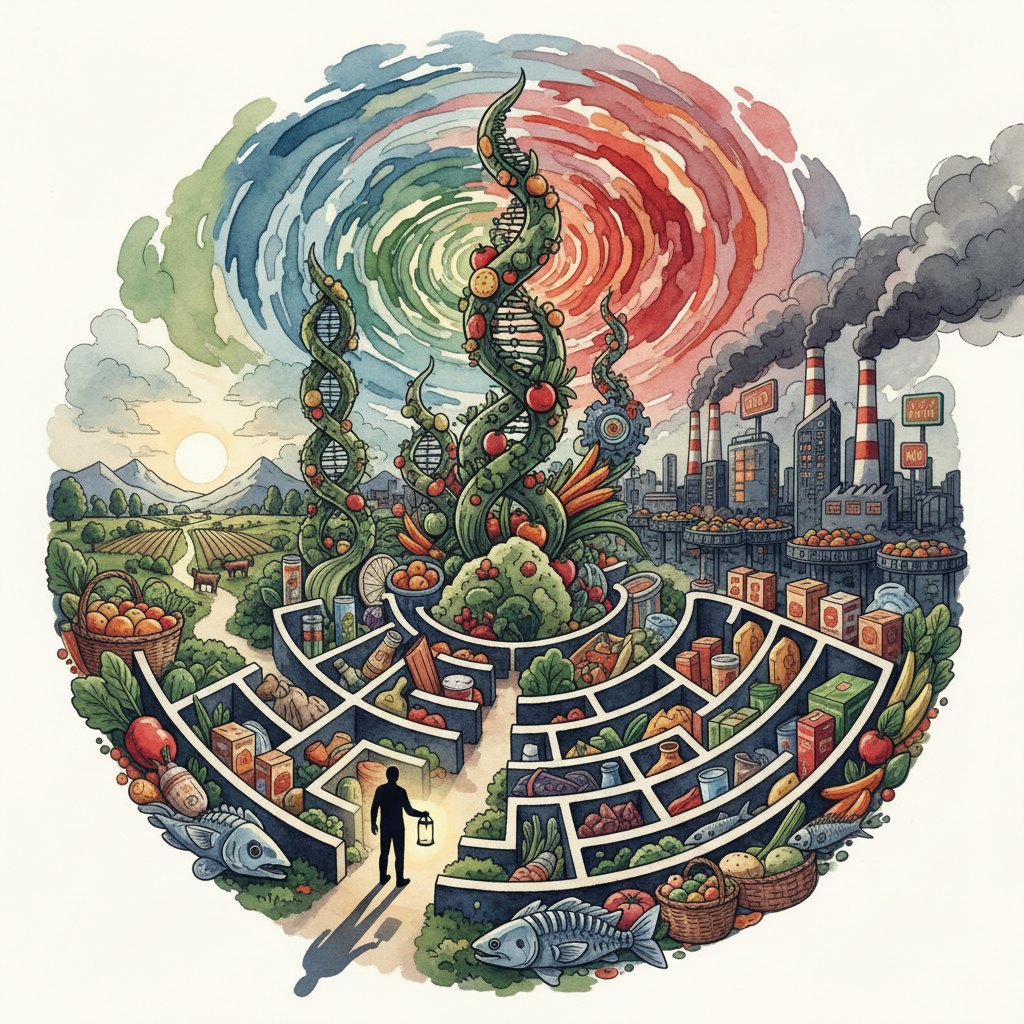
Pollan structures the book around three food chains: the industrial food system (e.g., McDonald's), the organic food movement (e.g., Whole Foods), and the traditional hunter-gatherer model (e.g., the 'grain of the week' concept). He critiques industrial agriculture for its reliance on monocultures, pesticides, and factory farming, which prioritize efficiency over ecological balance. In contrast, he explores organic farming's benefits and limitations, highlighting the role of soil health and biodiversity. The hunter-gatherer section, inspired by the work of anthropologist Gary Paul Nabhan, emphasizes the importance of local, seasonal eating and the wisdom of indigenous food systems. Pollan's analysis draws on historical contexts like the Industrial Revolution and the Green Revolution, linking modern food choices to centuries of agricultural transformation.
🌍 Cultural Impact
The book's cultural impact was profound, sparking a renewed interest in food literacy and sustainability. It popularized terms like 'food miles' and 'carbon footprint,' influencing consumer behavior and policy debates. The rise of food blogs, documentaries like 'The Biggest Little Farm,' and movements like the Slow Food movement can be traced to Pollan's work. The book also amplified the voices of grassroots activists and farmers, such as the Rodale Institute and the Organic Consumers Association, while critiquing corporate agribusiness. Its legacy is evident in the growing demand for transparency, as seen in the rise of farm-to-table restaurants and the proliferation of food labeling regulations.
🔮 Legacy & Future
Today, 'The Omnivore's Dilemma' remains a cornerstone of food activism, with debates over plant-based diets, lab-grown meat, and the role of technology in agriculture. Pollan's framework continues to inform discussions on food sovereignty, climate change, and the ethics of factory farming. The book's influence extends to platforms like Instagram, where food influencers promote sustainable eating, and to policy initiatives like the Farm to School program. As the global population grows, the dilemma of food choice remains urgent, with Pollan's insights serving as a guide for navigating the complexities of a changing food system.
Key Facts
- Year
- 2006
- Origin
- United States
- Category
- culture
- Type
- concept
Frequently Asked Questions
What is the main argument of 'The Omnivore's Dilemma'?
Michael Pollan argues that modern food systems have created a paradox where omnivores struggle to choose healthy, ethical, and sustainable food. He critiques industrial agriculture, highlights the benefits and limitations of organic farming, and advocates for reconnecting with traditional, local food systems.
How did the book influence food culture?
The book sparked a renewed interest in food literacy, inspiring movements like Slow Food, documentaries like 'Food, Inc.', and the rise of farm-to-table dining. It also popularized terms like 'food miles' and 'carbon footprint', shaping consumer behavior and policy debates.
What are the three food chains analyzed in the book?
Pollan examines the industrial food system (e.g., McDonald's), the organic food movement (e.g., Whole Foods), and the traditional hunter-gatherer model (e.g., indigenous food systems), each offering distinct insights into modern food choices.
Who is the author of 'The Omnivore's Dilemma'?
The book was written by Michael Pollan, a journalist and author known for his work on food, nutrition, and environmental issues. His previous works include 'The Botany of Desire' and 'In Defense of Food.'
What is the legacy of the book today?
The book's legacy endures in ongoing debates about food sustainability, climate change, and the ethics of food production. It continues to influence food activism, policy, and consumer choices, with its framework informing discussions on plant-based diets and agricultural innovation.