
Contents
- 🎵 Origins & History
- ⚙️ How It Works
- 📊 Key Facts & Numbers
- 👥 Key People & Organizations
- 🌍 Cultural Impact & Influence
- ⚡ Current State & Latest Developments
- 🤔 Controversies & Debates
- 🔮 Future Outlook & Predictions
- 💡 Practical Applications
- 📚 Related Topics & Deeper Reading
- Frequently Asked Questions
- References
- Related Topics
Overview
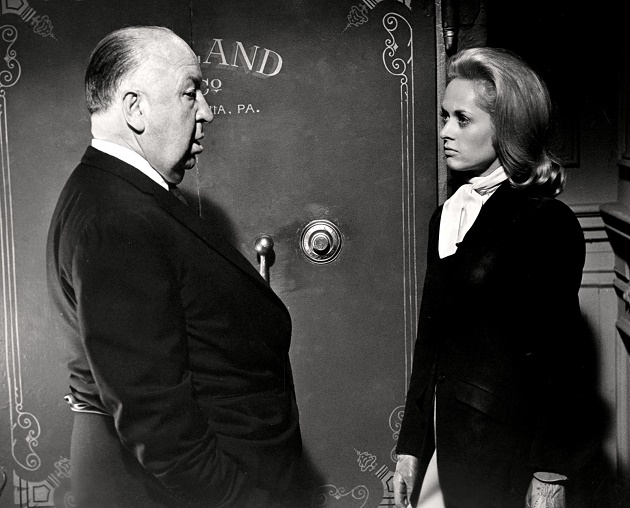
The lineage of thriller fiction can be traced to ancient narratives that played on fear and suspense, but its distinct identity began to solidify in the 19th century. Alexandre Dumas's The Count of Monte Cristo (1848) is often cited for its intricate revenge plot and escalating tension, while Robert Louis Stevenson's Treasure Island (1883) introduced elements of adventure and pursuit that would become staples. The early 20th century saw further refinement with John Buchan's The Thirty-Nine Steps (1915), a quintessential spy thriller that masterfully blended espionage with a desperate chase. Alfred Hitchcock, often dubbed the "Master of Suspense," profoundly shaped the genre through his films, translating literary suspense into visual storytelling with masterpieces like Psycho (1960) and North by Northwest (1959), solidifying the genre's cinematic potential.
⚙️ How It Works
At its core, thriller fiction operates on a carefully constructed architecture of escalating tension and misdirection. The narrative typically centers on a protagonist facing a significant threat or mystery, often against a ticking clock or overwhelming odds. Key plot devices include the red herring, designed to mislead the reader, and the plot twist, which dramatically alters the reader's understanding of events. Unreliable narrators are frequently employed to heighten suspense and uncertainty, while cliffhangers at chapter or scene endings compel the reader to continue. The antagonist, often a formidable and cunning figure, serves as the primary engine of conflict, presenting seemingly insurmountable obstacles for the hero to overcome.
📊 Key Facts & Numbers
The global thriller market is a multi-billion dollar industry. In 2023, the thriller novel segment alone was estimated to be worth over $15 billion USD worldwide, with projections indicating a compound annual growth rate (CAGR) of 4.5% through 2028. Digital sales now account for approximately 40% of all thriller book purchases, with Amazon Kindle and Apple Books dominating the e-reader market. Film adaptations of thrillers consistently rank among the highest-grossing movie genres, with the top 10 thriller films of 2023 collectively earning over $2.2 billion at the global box office. The average reader of thrillers is estimated to consume 12-15 books per year, a figure significantly higher than for many other fiction genres.
👥 Key People & Organizations
Numerous authors have defined and redefined the thriller genre. Agatha Christie, though often associated with mystery, masterfully employed suspenseful pacing and misdirection in works like And Then There Were None (1939). Tom Clancy became synonymous with the techno-thriller, meticulously detailing military and intelligence operations in novels such as The Hunt for Red October (1984). Gillian Flynn revitalized the psychological thriller with her dark, twist-laden narratives like Gone Girl (2012). In the realm of espionage, John le Carré delivered nuanced portrayals of spies and political intrigue in works like The Spy Who Came in from the Cold (1963). The International Thriller Writers (ITW) organization, founded in 2004, actively promotes and supports authors within the genre.
🌍 Cultural Impact & Influence
Thriller fiction has permeated global culture, influencing not only literature but also film, television, and video games. The genre's emphasis on suspense and high stakes has made it a natural fit for visual media, with countless films and TV series drawing directly from thriller tropes. Shows like 24 (2001-2010) and Game of Thrones (2011-2019), while not exclusively thrillers, heavily incorporated suspenseful pacing and unexpected twists. Video games such as Resident Evil and Metal Gear Solid leverage thriller elements to create immersive, high-tension experiences. The genre's psychological underpinnings have also seeped into broader societal discussions about fear, paranoia, and the darker aspects of human nature, as explored in works like The Handmaid's Tale by Margaret Atwood.
⚡ Current State & Latest Developments
The thriller genre remains exceptionally dynamic in 2024. Streaming platforms like Netflix and Amazon Prime Video are commissioning an unprecedented volume of thriller series and films, often based on bestselling novels. The rise of AI-generated content is also beginning to impact the creative process, with some authors experimenting with AI tools for plot generation and character development, a trend that is already sparking debate within the writing community. Furthermore, the increasing interconnectedness of the world, amplified by social media and 24/7 news cycles, provides fertile ground for contemporary thrillers that mirror real-world anxieties, as seen in the surge of pandemic-themed thrillers following the COVID-19 pandemic.
🤔 Controversies & Debates
One of the most persistent debates within thriller fiction concerns the balance between plot and character. Critics sometimes argue that the genre prioritizes sensational twists and breakneck pacing over deep character development, leading to predictable archetypes or shallow motivations. Conversely, proponents contend that compelling characters are essential for reader investment, even within a plot-driven framework. Another controversy revolves around the depiction of violence and psychological distress; while integral to many thrillers, concerns are frequently raised about gratuitousness and the potential for desensitization. The ethical implications of using real-world anxieties, such as terrorism or pandemics, as plot devices also spark discussion.
🔮 Future Outlook & Predictions
The future of thriller fiction appears poised for continued innovation, driven by technological advancements and evolving audience expectations. Expect to see more sophisticated integration of virtual and augmented reality into interactive thriller experiences, blurring the lines between reader and participant. AI's role in storytelling will likely expand, potentially leading to personalized thriller narratives tailored to individual reader preferences. Subgenres will continue to fragment and merge; the "eco-thriller," focusing on environmental crises, and the "bio-thriller," dealing with biological threats, are already gaining traction. Furthermore, as global events become more complex and interconnected, thrillers will likely become even more adept at reflecting and amplifying contemporary societal fears and fascinations.
💡 Practical Applications
Thriller fiction's core appeal—suspense and excitement—translates into numerous practical applications beyond entertainment. In education, elements of suspense and problem-solving found in thrillers can be adapted to create engaging learning modules, particularly for subjects requiring critical thinking and deductive reasoning. In business, understanding the narrative structures of thrillers can inform marketing strategies, particularly in crafting compelling product launches or advertising campaigns that build anticipation. Furthermore, the genre's exploration of psychological states, risk assessment, and crisis management offers insights for fields like psychology and emergency preparedness, providing narrative frameworks for understanding high-stress scenarios and decision-making under pressure.
Key Facts
- Year
- 19th-20th Century (modern form)
- Origin
- Europe (UK, France)
- Category
- culture
- Type
- genre
Frequently Asked Questions
What is the primary goal of thriller fiction?
The primary goal of thriller fiction is to evoke strong emotional responses in the reader, primarily suspense, excitement, anticipation, and anxiety. It achieves this by constructing plots that are designed to keep the audience on the edge of their seats, often through escalating tension, unexpected twists, and a sense of impending danger. The narrative pace is typically fast, focusing on events that propel the story towards a high-stakes climax.
How does thriller fiction differ from mystery fiction?
While both genres often involve investigation and suspense, thrillers prioritize the emotional experience of anxiety and excitement, whereas mysteries focus on solving a puzzle or crime. In a thriller, the reader often knows more about the threat than the protagonist, creating suspense through anticipation of the inevitable confrontation. Mysteries, conversely, typically withhold crucial information from both the reader and the protagonist until the final reveal, focusing on deduction and revelation.
What are the most common subgenres of thriller fiction?
Thriller fiction is a broad category encompassing numerous subgenres, each with its own distinct focus. Prominent examples include psychological thrillers, which delve into the minds of characters and often feature unreliable narrators; spy thrillers, centered on espionage and international intrigue; legal thrillers, involving courtroom drama and legal battles; techno-thrillers, incorporating advanced technology and military operations; and crime thrillers, which overlap significantly with crime fiction but emphasize suspense and pursuit.
Who are some of the most influential authors in the thriller genre?
Several authors have significantly shaped the thriller genre. Early pioneers include Alexandre Dumas with 'The Count of Monte Cristo' and John Buchan with 'The Thirty-Nine Steps.' In the 20th century, Agatha Christie brought masterful suspense to mystery, while Tom Clancy defined the techno-thriller. More contemporary figures like Gillian Flynn have revitalized the psychological thriller, and Dan Brown achieved massive success with his blend of historical conspiracy and rapid pacing in novels like 'The Da Vinci Code.'
How has technology impacted thriller fiction?
Technology has had a profound impact, both as a subject matter and a tool for creation. Techno-thrillers, for instance, often revolve around cutting-edge innovations, cyber warfare, and artificial intelligence, reflecting contemporary anxieties about technological advancement. Furthermore, digital platforms like e-readers and online publishing have democratized access and distribution, while AI tools are beginning to be explored for plot generation and character development, sparking new creative possibilities and debates within the genre.
What makes a thriller novel 'good' versus 'bad'?
A 'good' thriller typically excels at maintaining consistent tension, delivering surprising yet earned plot twists, and creating a sense of urgency. Characters, even if not deeply complex, must be relatable enough for the reader to invest in their peril. A 'bad' thriller often suffers from predictable plot points, contrived coincidences, excessive exposition, or a lack of genuine stakes. The pacing might falter, or the resolution may feel unearned or anticlimactic, leaving the reader unsatisfied.
What are the predicted future trends for thriller fiction?
Future trends in thriller fiction are likely to be shaped by technological integration and evolving societal concerns. Expect more immersive experiences through VR/AR, personalized narratives driven by AI, and the continued rise of subgenres like eco-thrillers and bio-thrillers that address pressing global issues. The genre will likely continue to adapt, blending with other forms and exploring new narrative structures to keep audiences perpetually on edge.