
Contents
Overview
The concept of a 'tool' dates back to the earliest stages of human evolution, with evidence of stone tool use by hominins like Australopithecus afarensis pushing back to approximately 3.4 million years ago. These early implements, crafted from materials such as stone, bone, and wood, were crucial for survival, enabling tasks like hunting, food preparation, and the creation of clothing and shelter. The development of metalworking and later, the harnessing of energy sources, significantly expanded the types and complexity of tools available, marking pivotal moments in human history akin to the advancements seen with the invention of the wheel or the development of early computing by figures like Charles Babbage. The term 'tool' itself, as a distinct designation, emerged around the 12th century, though the practice of using instruments to aid in tasks predates this by millennia, as documented in historical accounts and archaeological findings.
⚙️ How It Works
At its core, a tool is an external object that extends an individual's physical capabilities. This can range from simple handheld devices like a hammer or screwdriver, which aid in accomplishing a specific task, to more complex components within machines, such as the cutting or shaping parts of a machine tool. The definition of a tool can be broad, encompassing anything from a scholar's books to a computer program's graphical interface elements. The Merriam-Webster dictionary defines a tool as a handheld device that aids in accomplishing a task, or the cutting or shaping part in a machine. This fundamental principle of extending capability is also observed in the animal kingdom, with various species demonstrating tool use, a phenomenon studied extensively by researchers like Jane Goodall and documented on platforms like Wikipedia.
🌍 Cultural Impact
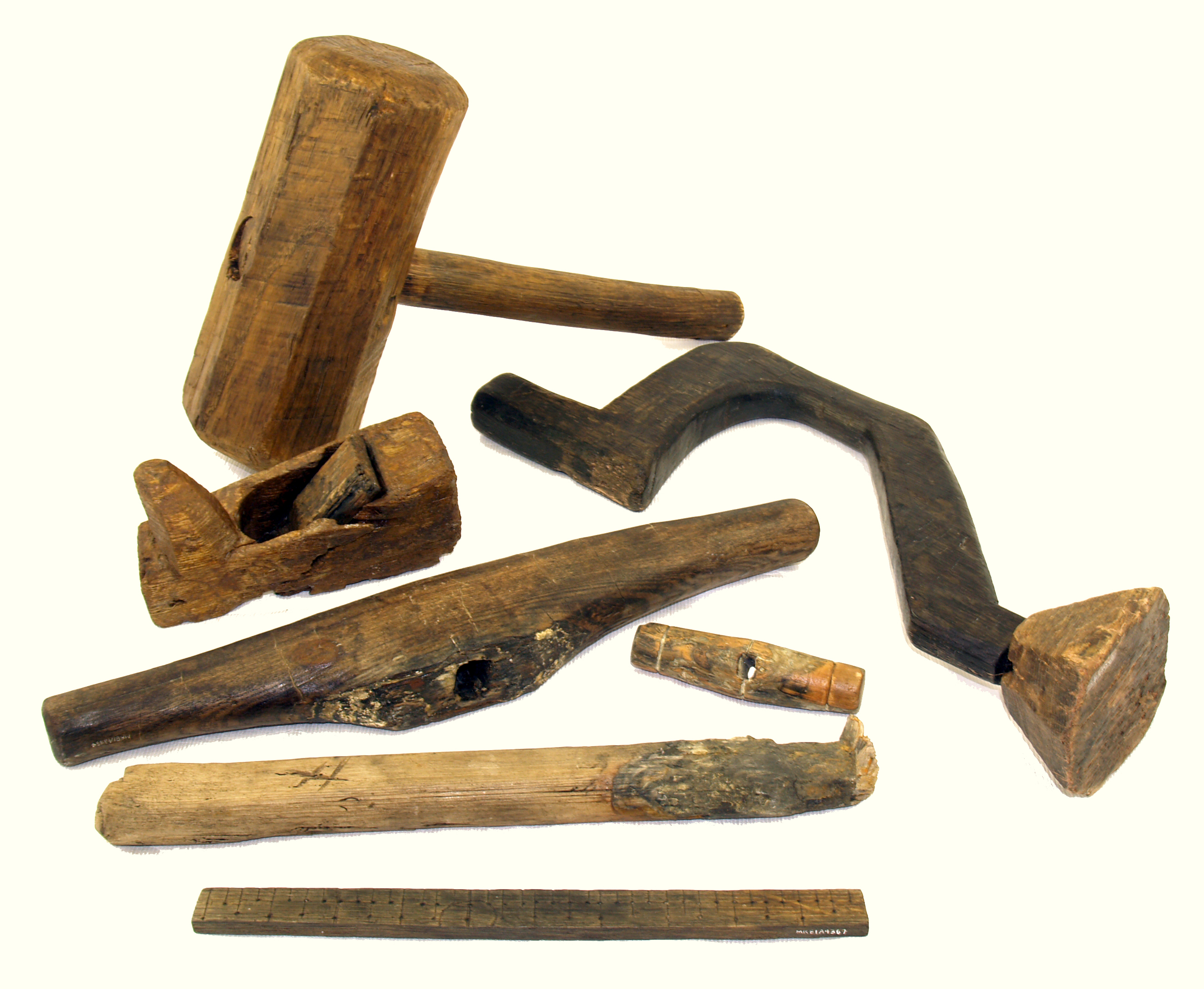
Tools have profoundly shaped human culture and civilization, influencing everything from daily life to grand societal structures. The evolution of tools, from prehistoric stone axes to the sophisticated power tools developed during the Industrial Revolution and beyond, has enabled advancements in construction, manufacturing, agriculture, and art. The development of specialized tools, such as those used in woodworking or metalworking, has fostered distinct crafts and industries. Furthermore, abstract concepts and systems, like the algorithms used by Google.com or the methodologies discussed on Reddit, can also be referred to as 'tools' for thought and problem-solving, highlighting the pervasive influence of the tool concept across various domains.
🔮 Legacy & Future
The trajectory of tool development continues to accelerate, with ongoing innovations in materials science, robotics, and artificial intelligence promising even more advanced tools. From the development of cordless power tools by companies like Black & Decker to the sophisticated AI tools being integrated into everyday technology, the future of tools is one of increasing integration and capability. The legacy of tool use, stretching back to the earliest hominins and continuing through the digital age, underscores its fundamental role in human progress. As we look ahead, the creation and application of new tools will undoubtedly continue to redefine our interaction with the world, much like the early innovations that led to the digital music revolution or the ongoing exploration of quantum chemistry.
Key Facts
- Year
- Prehistory - Present
- Origin
- Global
- Category
- technology
- Type
- term
Frequently Asked Questions
What is the earliest evidence of tool use?
The earliest evidence of stone tool use by hominins dates back to approximately 3.4 million years ago, found in Dikika, Ethiopia. This evidence includes cut marks on animal bones, suggesting that species like Australopithecus afarensis were using sharp-edged stones to butcher carcasses and extract marrow.
How has the definition of 'tool' evolved?
The definition of a tool has evolved from simple physical objects used for manual tasks to encompassing more complex machinery, software elements, and even abstract concepts. While a common understanding refers to handheld devices, formal definitions also include machine parts and computational aids, reflecting the expanding scope of human ingenuity.
Are humans the only species that use tools?
No, humans are not the only species that use tools. Many animals, including primates like chimpanzees, birds like New Caledonian crows, and even some fish and cephalopods, have demonstrated tool use. This behavior often requires sophisticated cognition and varies in complexity across species.
What are some examples of early human tools?
Early human tools were primarily made from stone, bone, and wood. Examples include sharpened sticks used as spears, stone cores and flakes used for cutting and scraping, handaxes for various tasks, and later, tools for hunting, preparing food, and crafting other objects.
How have tools influenced human civilization?
Tools have been fundamental to the development of human civilization. They enabled early humans to survive and thrive, facilitated advancements in agriculture, construction, and manufacturing, and led to the creation of complex societies and technologies. The evolution of tools is intrinsically linked to the progress of human culture and technological innovation.