
Contents
Overview
The origins of tropical rainforests are deeply intertwined with the planet's geological and climatic history, evolving over millions of years. The breakup of the supercontinent Pangaea played a crucial role in shaping the distribution of these biomes. Major rainforest regions, such as the Amazon Basin, the Congo Basin, and Southeast Asian rainforests, developed in isolation, leading to distinct evolutionary pathways for their species. The Pleistocene epoch, with its glacial cycles, also influenced rainforest distribution, causing contractions and expansions that further shaped biodiversity hotspots like those found in Madagascar and New Guinea. Early human interaction with these environments, dating back tens of thousands of years, involved sustainable resource use, a stark contrast to modern industrial exploitation.
⚙️ How It Works
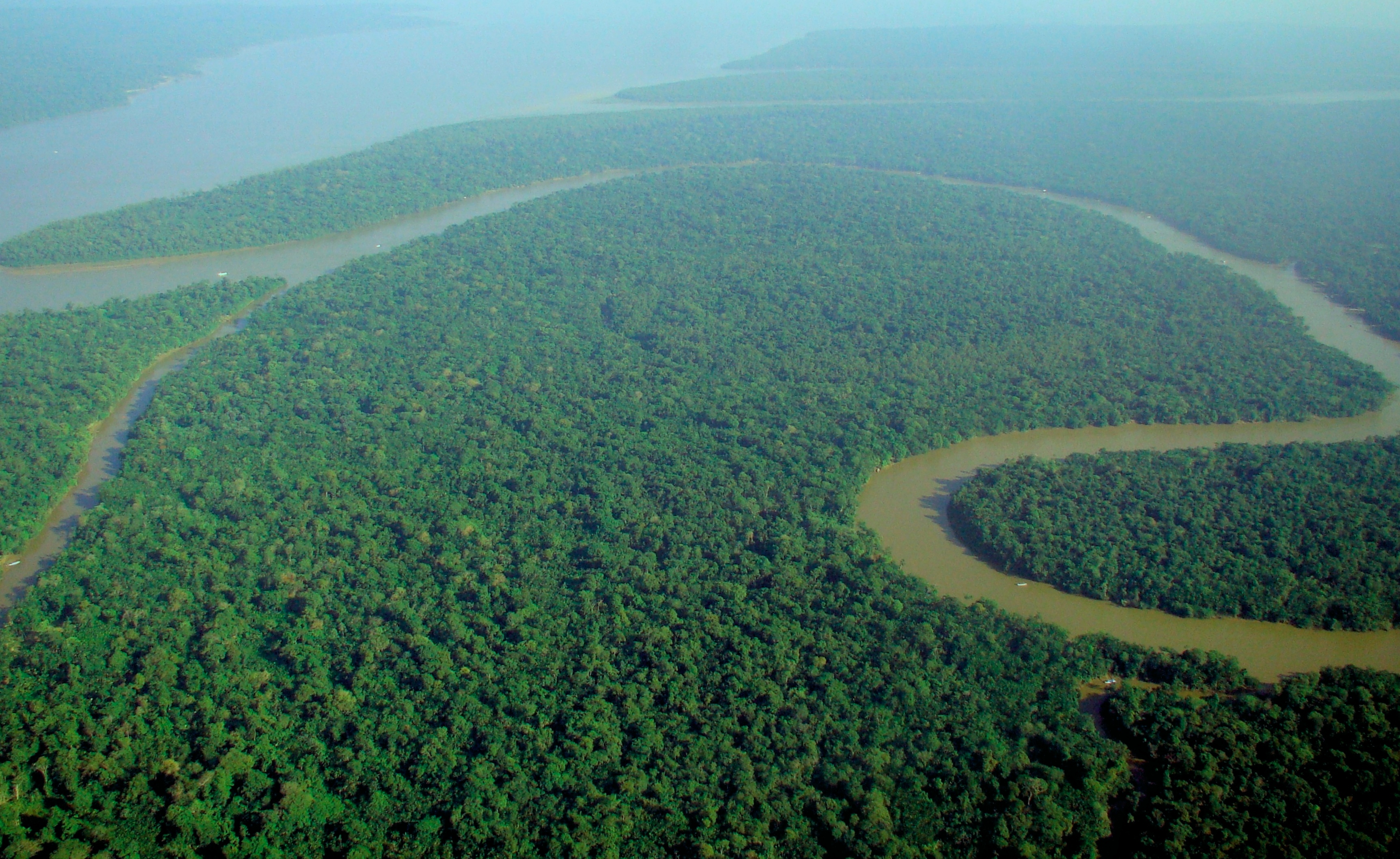
Tropical rainforests function as intricate, multi-layered ecosystems driven by high solar energy input and abundant rainfall. The structure is typically divided into distinct strata: the emergent layer, with towering trees that break through the canopy; the canopy, a dense roof of interlocking branches and leaves that intercepts most sunlight; the understory, a dim layer of shade-tolerant shrubs and small trees; and the forest floor, receiving minimal light and home to decomposers and specialized fauna. This vertical stratification creates a vast array of microhabitats, supporting an incredible diversity of life. Photosynthesis is rampant, converting solar energy into biomass, while decomposition is rapid due to high temperatures and humidity, quickly recycling nutrients back into the ecosystem. The water cycle is intense, with high evapotranspiration contributing significantly to local and regional rainfall patterns, a phenomenon often referred to as 'flying rivers' in the Amazon.
📊 Key Facts & Numbers
Tropical rainforests are staggering in their biological significance. They are estimated to house a significant percentage of the world's terrestrial plant and animal species. These ecosystems store vast amounts of carbon, playing a critical role in regulating global climate. Deforestation rates remain alarmingly high, with vast areas lost globally per year.
👥 Key People & Organizations
While no single individual 'discovered' tropical rainforests, numerous scientists, explorers, and indigenous communities have been instrumental in their study and preservation. Early naturalists like Alexander von Humboldt provided foundational scientific descriptions of tropical ecosystems, meticulously documenting plant and animal life during his expeditions in South America. Organizations such as the World Wildlife Fund (WWF) and The Nature Conservancy have been pivotal in conservation efforts, protecting vast tracts of rainforest. Indigenous peoples, such as the Kayapo of the Amazon and the Dayak of Borneo, have lived in and managed these forests for millennia, possessing invaluable traditional ecological knowledge. More recently, researchers like Edward O. Wilson championed the cause of biodiversity conservation, highlighting the irreplaceable value of rainforest ecosystems.
🌍 Cultural Impact & Influence
The cultural resonance of tropical rainforests is profound, inspiring art, literature, and spiritual beliefs across the globe. For indigenous peoples, these forests are often sacred spaces, integral to their identity, cosmology, and survival, providing sustenance, medicine, and shelter. In Western culture, rainforests have often been depicted as mysterious, untamed frontiers, a source of both wonder and fear, as seen in films like 'Fitzcarraldo' or the works of authors like Joseph Conrad. The discovery of countless medicinal compounds derived from rainforest plants, such as quinine for malaria and vincristine for cancer, has cemented their importance in modern medicine, though often through exploitative practices. The vibrant colors and diverse forms of rainforest flora and fauna have also influenced artistic movements, from Art Nouveau botanical illustrations to contemporary nature photography, capturing the sheer exuberance of life within these biomes.
⚡ Current State & Latest Developments
The current state of tropical rainforests is one of escalating crisis, primarily driven by human activities. Deforestation for agriculture (especially cattle ranching and palm oil plantations), logging, mining, and infrastructure development continues at an alarming pace. The Amazon has seen record deforestation rates in recent years, with Brazil and Peru being particularly affected. In Southeast Asia, the conversion of forests to palm oil plantations has decimated vast areas of Borneo and Sumatra. Climate change exacerbates these pressures through increased frequency of droughts and wildfires, particularly in regions like the Amazon and the Congo Basin. Efforts to combat this include increased protected areas, sustainable forestry practices, and international agreements like the REDD+ (Reducing Emissions from Deforestation and Forest Degradation) initiative, though their effectiveness is often debated.
🤔 Controversies & Debates
The most significant controversy surrounding tropical rainforests centers on the balance between conservation and economic development. Indigenous land rights are frequently contested, with governments and corporations often prioritizing resource extraction over the rights and livelihoods of forest-dwelling communities. Debates rage over the effectiveness and equity of international conservation funding mechanisms like REDD+, with critics arguing they can lead to land grabs and fail to adequately compensate local populations. The role of large-scale agricultural expansion, particularly palm oil and soy, is another major point of contention, with ongoing debates about sustainable sourcing and corporate responsibility. Furthermore, the very definition of 'true' rainforest versus 'seasonal' tropical forest can lead to differing conservation priorities and management strategies.
🔮 Future Outlook & Predictions
The future outlook for tropical rainforests is precarious, heavily dependent on global political will and effective conservation strategies. Projections from the IPCC indicate that continued deforestation will significantly accelerate climate change, while rising global temperatures could push many rainforest species beyond their thermal tolerance limits. However, there is growing momentum for more robust conservation efforts, including the expansion of protected areas, the promotion of agroforestry, and the development of bio-economies that value standing forests. Innovations in satellite monitoring are providing better tools to track deforestation in near real-time, aiding enforcement. The success of initiatives like the Amazon Vision 2030 and the Glasgow Leaders' Declaration on Forests and Land Use (signed in 2021) will be critical in determining whether these vital ecosystems can be preserved for future generations.
💡 Practical Applications
Tropical rainforests offer a wealth of practical applications, primarily stemming from their immense biodiversity and ecological functions. They are the source of numerous pharmaceuticals; for example, the rosy periwinkle from Madagascar has yielded two crucial chemotherapy drugs, vincristine and vinblastine. They provide vital ecosystem services, including regulating global climate by absorbing vast amount
Key Facts
- Category
- nature
- Type
- topic