
Contents
Overview
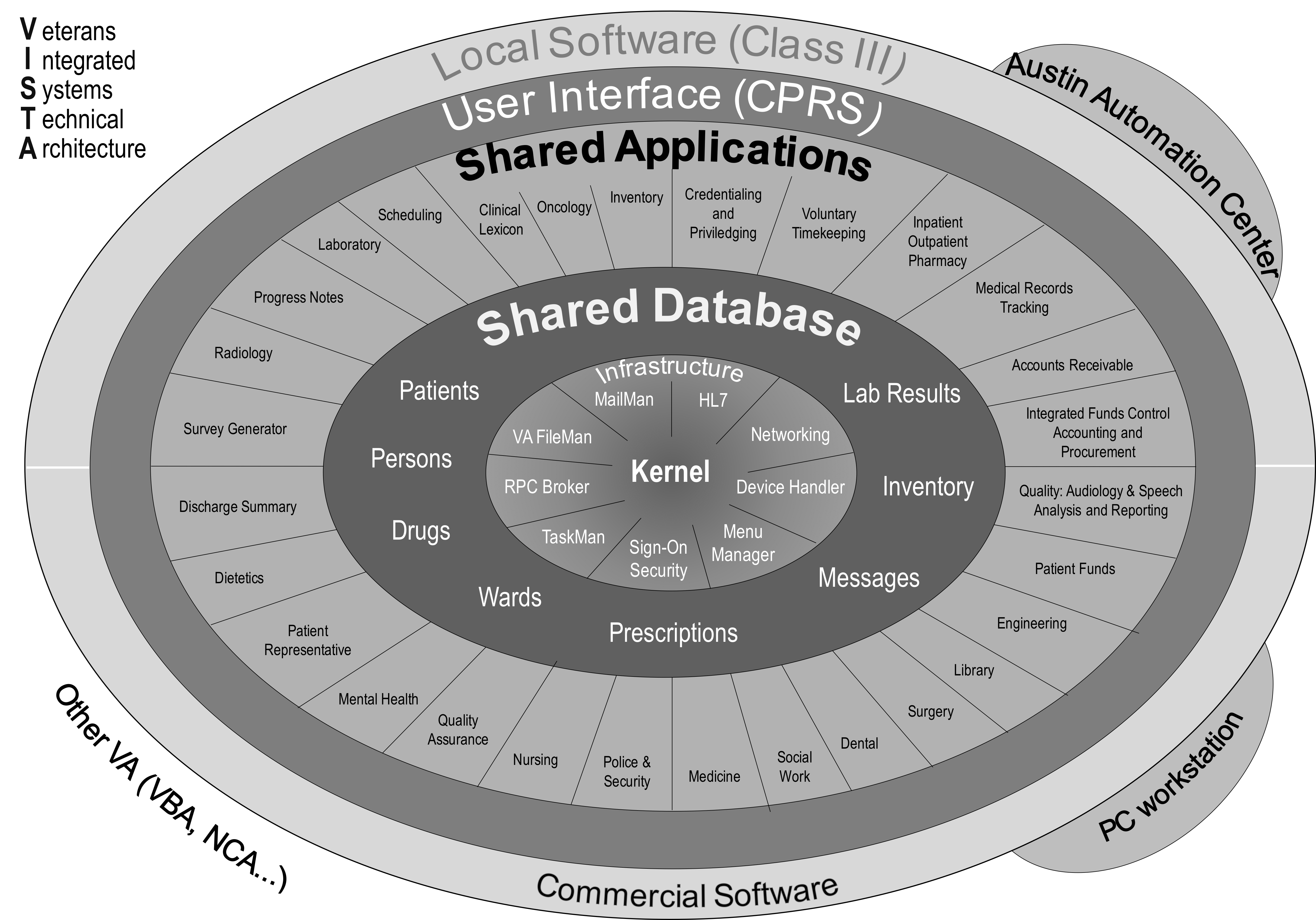
The genesis of the VA EHR Modernization can be traced back to persistent criticisms and perceived limitations of VistA, the VA's homegrown EHR system. While VistA was lauded for its comprehensiveness and physician satisfaction in earlier years, by the late 2010s, concerns grew about its aging architecture, integration challenges with external healthcare systems, and the increasing difficulty of maintaining and updating such a complex, bespoke system. The desire for a more modern, interoperable EHR that could seamlessly connect with the Department of Defense's systems and private sector providers became a driving force. In May 2018, the VA awarded a monumental contract to Cerner Corporation (later acquired by Oracle) to implement its Millennium EHR platform across the VHA, marking a decisive shift away from VistA. This decision was framed as a necessary step to ensure veterans receive coordinated care, regardless of where they receive treatment, and to align the VA's IT infrastructure with contemporary healthcare standards.
⚙️ How It Works
The VA EHR Modernization operates by replacing VistA's integrated applications with Oracle Cerner's Millennium EHR platform. This involves migrating patient data, retraining hundreds of thousands of healthcare professionals, and reconfiguring workflows across over 170 VA medical centers and numerous outpatient clinics. The implementation is phased, with the system being rolled out to specific sites in waves. Each rollout requires extensive testing, user training, and on-site support to manage the transition. The core idea is to create a single, longitudinal patient record accessible across the VHA and, ideally, shareable with other federal and civilian healthcare providers through standardized data exchange protocols like FHIR. The system aims to provide a unified interface for clinicians, encompassing scheduling, clinical documentation, ordering, and billing, thereby reducing data silos that characterized the VistA era.
📊 Key Facts & Numbers
The financial scale of the VA EHR Modernization is staggering. The initial contract awarded to Cerner in 2018 was valued at approximately $10 billion over 10 years, covering software, hardware, implementation, and support. However, by early 2024, the projected total cost had ballooned significantly, with some estimates placing it upwards of $60 billion over a 15-year period. As of March 2023, only 5 out of an initial 150 VA medical facilities had successfully transitioned to the new EHR, highlighting the slow pace of deployment. Physician productivity reportedly dropped by as much as 40% during initial go-lives at some sites, leading to increased wait times and patient care concerns. The system's implementation has also been associated with a substantial increase in overtime pay for staff struggling to adapt to the new workflows.
👥 Key People & Organizations
Several key individuals and organizations are central to the VA EHR Modernization saga. Denis McDonough, the current Secretary of Veterans Affairs, inherited the program and has been tasked with steering it through its most challenging phases, facing intense scrutiny from Congress and veteran advocacy groups. Cerner Corporation, the primary contractor, and its parent company Oracle, are responsible for delivering and maintaining the EHR software. Dr. John Short, a former VA official, was a key figure in the early stages of the EHRM program. Congressional committees, such as the House Committee on Veterans' Affairs, have been instrumental in oversight, holding hearings and demanding accountability from the VA and its contractors. Accenture has also played a significant role as a systems integrator, assisting in the complex deployment process.
🌍 Cultural Impact & Influence
The cultural impact of the VA EHR Modernization is profound, particularly within the veteran community and the VA healthcare workforce. The shift from VistA, a system deeply embedded in the VA's identity for decades, to a commercial product represents a significant cultural pivot. For veterans, the promise is improved care coordination and access, but the reality of implementation delays and reported patient care disruptions has fueled anxiety and frustration. For VA clinicians, the transition has been a source of considerable stress, marked by steep learning curves, decreased efficiency, and concerns about patient safety during the go-live periods. The controversy surrounding the project has also amplified public discourse on the challenges of large-scale government IT projects and the efficacy of outsourcing critical infrastructure to commercial vendors.
⚡ Current State & Latest Developments
As of early 2024, the VA EHR Modernization continues its phased rollout, albeit with significant adjustments to timelines and strategies. The VA has acknowledged the challenges and is working to improve the implementation process, focusing on enhanced training, better site support, and more robust testing. Oracle Cerner is also reportedly investing more resources to address performance issues and user feedback. Despite ongoing difficulties, the VA remains committed to completing the nationwide deployment, aiming to achieve full implementation by the late 2020s. Recent developments include a renewed focus on interoperability standards and efforts to mitigate the productivity impacts experienced by clinicians during site activations. The program's trajectory remains under intense observation by Congress and veteran stakeholders.
🤔 Controversies & Debates
The VA EHR Modernization is rife with controversy. A primary debate centers on the decision to abandon VistA, a system many argue could have been modernized at a lower cost and with less disruption. Critics point to the escalating costs, which have far exceeded initial projections, and the persistent reports of decreased clinician productivity and patient care impacts as evidence of a flawed strategy. Concerns about vendor accountability and the VA's oversight capabilities are also prominent. Furthermore, questions persist about the true interoperability gains, with some arguing that the new system has not yet delivered the seamless data sharing envisioned. The sheer scale of the financial commitment, coupled with the ongoing operational challenges, makes this one of the most contentious IT projects in federal history.
🔮 Future Outlook & Predictions
The future outlook for the VA EHR Modernization is uncertain but leans towards continued, albeit slow, progress. The VA is unlikely to abandon the Oracle Cerner platform given the sunk costs and the complexity of reversing course. Instead, the focus will likely remain on refining the deployment process, addressing user feedback, and demonstrating tangible improvements in patient care and data interoperability. Projections suggest that full implementation across all VA facilities may extend beyond the original 2028 target date, potentially into the early 2030s. The long-term success will hinge on the VA's ability to effectively manage the vendor relationship, support its workforce through the ongoing transition, and ultimately realize the promised benefits of a unified, modern EHR system that enhances care for millions of veterans.
💡 Practical Applications
The primary practical application of the VA EHR Modernization is the creation of a unified, longitudinal electronic health record for veterans. This aims to enable seamless care coordination between different VA facilities and, potentially, with external healthcare providers through Health Information Exchange networks. For clinicians, the system is intended to provide a single point of access for patient information, improving efficiency in tasks like ordering medications, scheduling appointments, and accessing test results. The modernization also seeks to leverage data analytics for population health management, identifying trends and improving preventative care strategies across the veteran population. Ultimately, the goal is to provide safer, more effective, and more personalized care for every veteran served by the VHA.
Key Facts
- Category
- technology
- Type
- topic