
Contents
- 🚧 Introduction to Vent Pipes
- 💡 History of Vent Pipes
- 🔧 How Vent Pipes Work
- 🚽 Types of Vent Pipes
- 🌆 Installation and Maintenance
- 🚨 Common Issues with Vent Pipes
- 💸 Cost and Benefits of Vent Pipes
- 🌈 Future of Vent Pipes
- 📊 Codes and Regulations
- 🤝 Relationship with Other Plumbing Components
- 🌐 Global Vent Pipe Market
- 📚 Conclusion and Recommendations
- Frequently Asked Questions
- Related Topics
Overview
Vent pipes, a crucial component of modern plumbing systems, have a rich history dating back to ancient civilizations. The first recorded use of vent pipes was in ancient Greece and Rome, where they were used to remove sewage and wastewater from homes. Today, vent pipes play a vital role in maintaining the water trap in drains, preventing siphoning, and removing sewer gases. However, with the rise of green building and sustainable architecture, the traditional vent pipe is being reimagined. New technologies, such as air admittance valves and solar-powered ventilation systems, are being developed to reduce energy consumption and minimize environmental impact. As the world becomes increasingly urbanized, the importance of efficient and effective vent pipe systems will only continue to grow, with some estimates suggesting that the global vent pipe market will reach $1.3 billion by 2025. The controversy surrounding vent pipes, however, lies in their potential to contribute to urban pollution and climate change, sparking debates among architects, engineers, and environmentalists.
🚧 Introduction to Vent Pipes
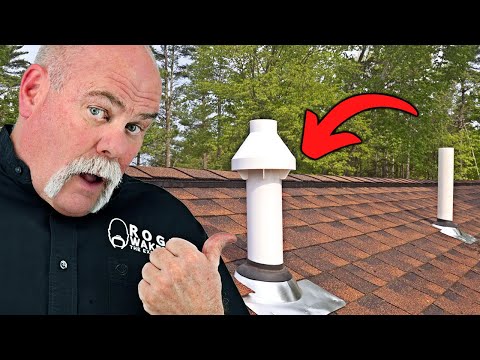
The vent pipe is a crucial component of plumbing systems, often overlooked until issues arise. Plumbing systems rely on vent pipes to regulate pressure and prevent siphoning of water from traps. Water traps are essential for preventing sewer gases from entering buildings. The vent pipe extends from the roof, allowing air to enter and exit the system, maintaining equilibrium. Equilibrium is vital for proper system function. Without vent pipes, Drainage systems would be inefficient and potentially hazardous.
💡 History of Vent Pipes
The history of vent pipes dates back to ancient civilizations, where Ancient Rome and Ancient Greece used primitive Sewer systems. The concept of vent pipes evolved over time, with significant advancements in the late 19th century. Industrial Revolution brought mass production of pipes, making them more accessible and affordable. PVC pipes became a popular choice for vent pipes due to their durability and resistance to corrosion. Corrosion is a significant concern in plumbing systems, and vent pipes are no exception.
🔧 How Vent Pipes Work
Vent pipes work by allowing air to enter and exit the plumbing system, regulating pressure and preventing siphoning. Siphoning occurs when the pressure in the system becomes too low, causing water to be drawn from traps. Traps are designed to prevent sewer gases from entering buildings, and vent pipes play a critical role in maintaining their function. The vent pipe is typically connected to the Main vent, which extends from the roof. Roof vents are essential for providing a pathway for air to enter and exit the system.
🚽 Types of Vent Pipes
There are several types of vent pipes, including PVC vent pipes, ABS vent pipes, and Copper vent pipes. Each type has its advantages and disadvantages, and the choice of vent pipe depends on the specific application and local regulations. Local regulations often dictate the type of vent pipe that can be used. Building codes also play a crucial role in determining the requirements for vent pipes.
🌆 Installation and Maintenance
Installation and maintenance of vent pipes are critical for ensuring proper system function. Installation requires careful planning and execution, taking into account factors such as Pipe sizing and Pipe material. Maintenance involves regular inspections and cleaning of the vent pipe to prevent clogging and corrosion. Clogging can occur due to debris and sediment accumulation, and Corrosion can weaken the pipe over time.
🚨 Common Issues with Vent Pipes
Common issues with vent pipes include clogging, corrosion, and improper installation. Improper installation can lead to a range of problems, including reduced system efficiency and increased risk of sewer gas entry. Sewer gas can be hazardous to human health, and vent pipes play a critical role in preventing its entry into buildings. Hazardous gases can also accumulate in the system, posing a risk to occupants.
💸 Cost and Benefits of Vent Pipes
The cost and benefits of vent pipes must be carefully considered. Cost-benefit analysis involves weighing the initial cost of installation against the long-term benefits of a properly functioning system. Properly functioning systems can save building owners and occupants significant amounts of money in the long run. Energy efficiency is also an important consideration, as vent pipes can help reduce energy consumption by minimizing the need for Pump systems.
🌈 Future of Vent Pipes
The future of vent pipes is likely to involve advancements in materials and technology. Advanced materials such as Nanomaterials and Composites may offer improved durability and resistance to corrosion. Corrosion resistance is a critical factor in the development of new vent pipe materials. Sustainable plumbing systems are also becoming increasingly popular, and vent pipes will play a crucial role in their development.
📊 Codes and Regulations
Codes and regulations governing vent pipes vary by jurisdiction. Local codes and National codes often dictate the requirements for vent pipe installation and maintenance. Building officials are responsible for enforcing these codes and ensuring compliance. Compliance is critical for ensuring public safety and preventing hazards.
🤝 Relationship with Other Plumbing Components
Vent pipes have a complex relationship with other plumbing components, including Drain pipes and Water supply pipes. Water supply systems rely on vent pipes to regulate pressure and prevent siphoning. Siphoning prevention is a critical function of vent pipes, and their proper installation and maintenance are essential for ensuring system efficiency.
🌐 Global Vent Pipe Market
The global vent pipe market is a significant industry, with a projected growth rate of 5% per annum. Market trends indicate an increasing demand for vent pipes, driven by urbanization and infrastructure development. Infrastructure development projects often involve the installation of new vent pipes, and the market is expected to continue growing in the coming years.
📚 Conclusion and Recommendations
In conclusion, vent pipes are a critical component of plumbing systems, and their proper installation and maintenance are essential for ensuring system efficiency and public safety. Public safety is a top priority, and vent pipes play a crucial role in preventing hazards such as sewer gas entry and water contamination. Water contamination can have serious consequences, and vent pipes are an essential part of the solution.
Key Facts
- Year
- 2022
- Origin
- Ancient Greece and Rome
- Category
- Plumbing and HVAC
- Type
- Plumbing Component
Frequently Asked Questions
What is the purpose of a vent pipe?
The purpose of a vent pipe is to regulate pressure and prevent siphoning in plumbing systems. Vent pipes allow air to enter and exit the system, maintaining equilibrium and preventing sewer gases from entering buildings. They are an essential component of plumbing systems, and their proper installation and maintenance are critical for ensuring system efficiency and public safety.
What are the different types of vent pipes?
There are several types of vent pipes, including PVC vent pipes, ABS vent pipes, and copper vent pipes. Each type has its advantages and disadvantages, and the choice of vent pipe depends on the specific application and local regulations. PVC vent pipes are a popular choice due to their durability and resistance to corrosion.
How do vent pipes work?
Vent pipes work by allowing air to enter and exit the plumbing system, regulating pressure and preventing siphoning. The vent pipe is typically connected to the main vent, which extends from the roof. The main vent provides a pathway for air to enter and exit the system, maintaining equilibrium and preventing sewer gases from entering buildings.
What are the common issues with vent pipes?
Common issues with vent pipes include clogging, corrosion, and improper installation. Clogging can occur due to debris and sediment accumulation, and corrosion can weaken the pipe over time. Improper installation can lead to a range of problems, including reduced system efficiency and increased risk of sewer gas entry.
How often should vent pipes be maintained?
Vent pipes should be regularly inspected and cleaned to prevent clogging and corrosion. The frequency of maintenance depends on the specific application and local regulations. It is recommended to inspect vent pipes at least once a year and clean them as needed.
What are the benefits of using vent pipes?
The benefits of using vent pipes include improved system efficiency, reduced risk of sewer gas entry, and increased public safety. Vent pipes also help to prevent water contamination and reduce the risk of hazards such as explosions and fires.
What is the cost of installing vent pipes?
The cost of installing vent pipes depends on the specific application and local regulations. The cost can range from a few hundred dollars to several thousand dollars, depending on the complexity of the installation and the materials used.