
Contents
Overview
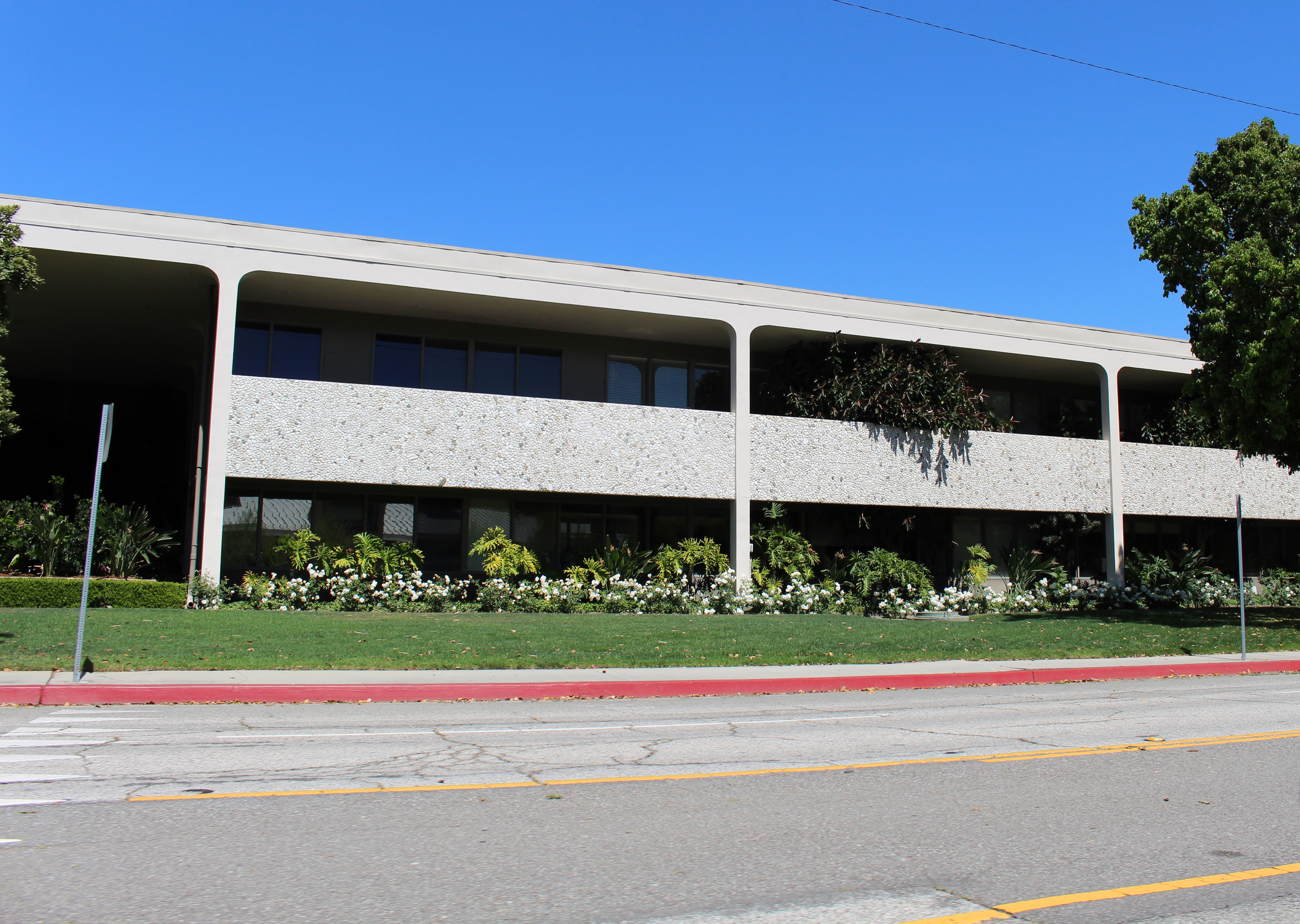
The genesis of Walt Disney Imagineering can be traced back to Walt Disney's vision for Disneyland, a place where families could experience the magic of storytelling firsthand. To realize this ambitious project, Walt Disney, Inc. was established on December 16, 1952, which was soon renamed WED Enterprises, using the initials of his full name, Walter Elias Disney. This new division was dedicated to the research, design, and development of Disneyland, separating it from the film production side of the company. Early Imagineers, including luminaries like Claude Coats and John Hench, were instrumental in translating Disney's imaginative concepts into tangible blueprints and physical structures. The success of Disneyland in 1955 validated Disney's approach, proving that a dedicated creative and engineering team could build immersive worlds that captivated audiences, setting a precedent for future Disney parks worldwide, including Walt Disney World and Tokyo Disneyland.
⚙️ How It Works
At its core, Imagineering operates as a highly integrated creative and technical studio. The process begins with conceptualization, where storytellers and artists develop narratives and visual styles for new attractions or lands. This is followed by the engineering and design phase, where architects, structural engineers, mechanical designers, and lighting specialists translate these concepts into detailed plans. Imagineers utilize advanced CAD software and VR simulations to prototype and refine designs before construction begins. The construction itself is managed by Imagineering, often in collaboration with external contractors, ensuring that the final product adheres to the original vision and quality standards. This holistic approach, encompassing everything from initial sketch to final guest experience, is what defines the 'Imagineering' methodology, a blend of imagination and engineering.
📊 Key Facts & Numbers
Walt Disney Imagineering is responsible for the design and construction of over 100 attractions and themed areas across Disney's 12 theme parks worldwide, welcoming an estimated 150 million guests annually. The company employs over 1,500 'Imagineers' globally, a significant increase from its initial team of a few dozen. The budget for a single major attraction, such as Star Wars: Galaxy's Edge, can easily exceed $1 billion, reflecting the immense scale and complexity of their projects. Imagineering's intellectual property portfolio includes thousands of patents related to ride systems, special effects, and animatronics, underscoring its role as a significant innovator in themed entertainment technology. The company's influence is evident in the sheer number of theme parks that have emulated its design principles since Disneyland's opening in 1955.
👥 Key People & Organizations
The foundational figure is, of course, Walt Disney, whose visionary leadership and insistence on quality set the stage for Imagineering's existence. Following his passing, Roy O. Disney played a crucial role in ensuring the completion of Walt Disney World. Key early Imagineers include John Hench, who served as a mentor and design consultant for decades, and Claude Coats, a renowned set designer who brought a painterly quality to park design. More recently, figures like Bob Iger, as CEO of The Walt Disney Company, have overseen massive expansion projects driven by Imagineering. The organization itself, Walt Disney Imagineering Research & Development, Inc., is a subsidiary of Disney Experiences, the division responsible for Disney's parks, cruises, and consumer products.
🌍 Cultural Impact & Influence
Imagineering's impact on global culture is profound, having defined the modern theme park experience. The creation of Disneyland in 1955 revolutionized the amusement industry, shifting focus from mere rides to immersive storytelling and themed environments. This model has been emulated by countless competitors, from Universal Studios to Six Flags, establishing a benchmark for themed entertainment design. Imagineering's innovations in animatronics, show control, and special effects have also influenced fields beyond theme parks, including theater, film, and museum exhibits. The term 'Imagineering' itself has become synonymous with creative problem-solving and the fusion of art and technology, permeating business and design lexicon.
⚡ Current State & Latest Developments
In recent years, Walt Disney Imagineering has been at the forefront of integrating cutting-edge technologies into its parks. The development of Star Wars: Galaxy's Edge at Disneyland Resort and Walt Disney World Resort showcases advancements in interactive storytelling, with guests' choices influencing their experience. The company is also exploring the potential of AR and AI to enhance guest engagement, as seen in the development of new interactive attractions and personalized experiences. Furthermore, Imagineering continues to expand Disney's global footprint with new parks and attractions, including the recently opened Disneyland Paris expansions and ongoing projects in Shanghai and Hong Kong, demonstrating sustained investment in physical and digital innovation.
🤔 Controversies & Debates
While widely celebrated, Imagineering's work is not without its critics and debates. One recurring point of contention is the cost of admission and the perceived commercialization of experiences, with some arguing that the magic comes at an increasingly prohibitive price point. There are also debates surrounding the authenticity and historical accuracy of themed lands, particularly those based on real-world cultures or historical periods, such as Epcot's World Showcase. Furthermore, the company faces scrutiny regarding labor practices and the environmental impact of large-scale construction projects. The balance between innovation and maintaining the nostalgic appeal of classic attractions, like Pirates of the Caribbean, is another ongoing discussion among fans and critics.
🔮 Future Outlook & Predictions
The future of Walt Disney Imagineering appears to be deeply intertwined with technological advancement and immersive storytelling. Expect to see further integration of AR and VR technologies, potentially blurring the lines between physical parks and digital experiences. The company is likely to continue leveraging AI to create more personalized and responsive guest interactions, perhaps even leading to dynamic, ever-changing environments. Expansion into new markets and the development of entirely new forms of entertainment, such as interactive hotels or advanced simulation rides, are also probable. The challenge will be to maintain the core Disney magic while embracing these new frontiers, ensuring that technology serves the story, not the other way around.
💡 Practical Applications
Imagineering's creations have a direct and tangible impact on millions of lives annually. Their theme parks serve as massive entertainment hubs, driving tourism and local economies in regions like Orlando, Florida, and Anaheim, California. The advanced ride systems and special effects developed by Imagineering have found applications in other industries, including simulation training for pilots and surgeons, and in the design of interactive museum exhibits. Furthermore, the narrative and design principles pioneered by Imagineering have influenced urban planning, architectural design, and the broader field of user experience (UX) design, demonstrating that the creation of magical experiences has practical applications far beyond the gates of a theme park.
Key Facts
- Category
- technology
- Type
- topic