
Contents
Overview
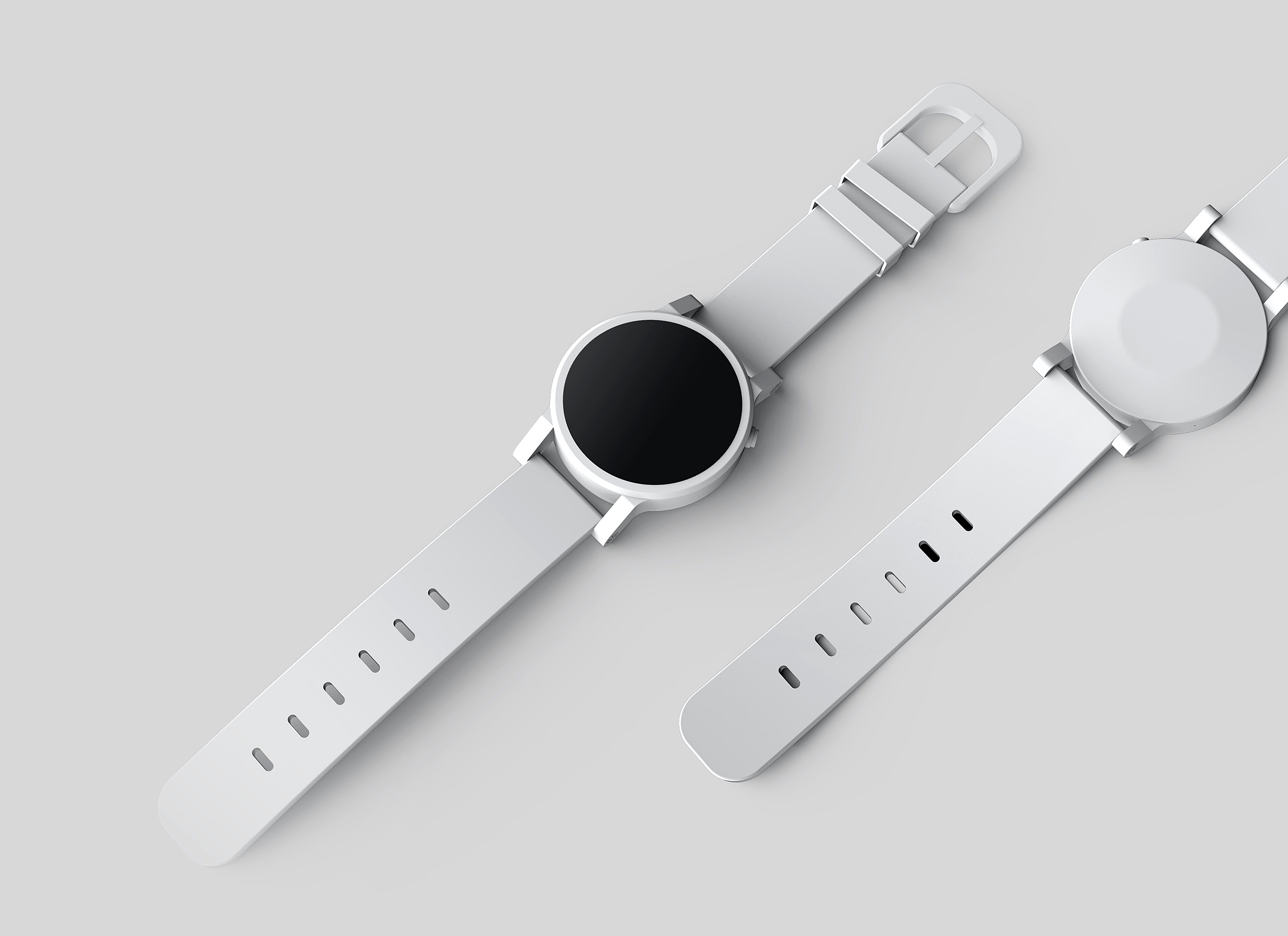
Wearable technology is a rapidly evolving field that combines fashion, electronics, and advanced computer technologies to create innovative devices that can be worn on the human body. With the rise of smartwatches, fitness trackers, and smartglasses, wearable devices have become an integral part of our daily lives, tracking our health, fitness, and lifestyle. Wearable devices collect vast amounts of data from users, making use of different behavioral and physiological sensors, which monitor their health status and activity levels. As the technology continues to advance, we can expect to see even more innovative and sophisticated wearable devices that will change the way we live, work, and interact with each other.
🎯 Origins & History
Wearable technology has evolved over time, with new devices and innovations emerging every year. Today, wearable technology is a rapidly evolving field, with many people using wearable devices to track their fitness and health. For example, Google has developed a wearable device that can detect diabetes and predict heart disease.
⚙️ How It Works
Wearable devices work by using a combination of sensors, software, and connectivity to track and analyze data from the user's body. These sensors can include accelerometers, gyroscopes, and heart rate monitors, which collect data on the user's activity levels, sleep patterns, and vital signs. This data is then transmitted to a connected device, such as a smartphone or computer, where it can be analyzed and used to provide feedback to the user. The technology behind wearable devices is constantly evolving, with advancements in areas such as artificial intelligence, machine learning, and the Internet of Things (IoT).
📊 Key Facts & Numbers
Wearable devices collect vast amounts of data from users, making use of different behavioral and physiological sensors, which monitor their health status and activity levels. For example, Whoop wearable devices collect data on a user's sleep patterns, recovery, and strain, providing personalized recommendations for improvement.
👥 Key People & Organizations
Key people in the wearable technology industry include Tony Fadell, the founder of Nest, who has been a pioneer in the development of wearable devices. Other notable companies in the industry include Fitbit, Garmin, and Samsung. These companies are constantly innovating and pushing the boundaries of what is possible with wearable technology.
🌍 Cultural Impact & Influence
Wearable technology has had a significant impact on culture and society, with many people using wearable devices to track their fitness and health. Wearable devices have also become a fashion statement, with many designers creating stylish and fashionable wearable devices. The use of wearable technology has also raised concerns about data privacy and security, with many people expressing concerns about the collection and use of their personal data.
⚡ Current State & Latest Developments
The current state of wearable technology is one of rapid innovation and growth. New devices and innovations are emerging every year, and the market is expected to continue to grow in the coming years. For example, Amazon has launched a range of wearable devices, including smart glasses and smartwatches.
🤔 Controversies & Debates
One of the main controversies surrounding wearable technology is the issue of data privacy and security. Many people are concerned about the collection and use of their personal data, and there have been several high-profile cases of wearable devices being hacked. Another controversy surrounding wearable technology is the issue of addiction, with some people becoming overly reliant on their wearable devices.
🔮 Future Outlook & Predictions
The future of wearable technology is exciting and uncertain. As the technology continues to evolve, we can expect to see even more innovative and sophisticated wearable devices that will change the way we live, work, and interact with each other. Wearable technology is expected to become even more integrated into our daily lives, with wearable devices becoming an essential part of our daily routines.
💡 Practical Applications
Wearable technology has many practical applications, from fitness and health monitoring to navigation and communication. Wearable devices can be used to track a user's activity levels, sleep patterns, and vital signs, providing valuable insights into their health and wellbeing. For example, Google has developed a wearable device that can detect diabetes and provide personalized recommendations for treatment.
Key Facts
- Category
- technology
- Type
- technology