
Contents
Overview
Written tradition encompasses the vast and complex systems by which human knowledge, culture, and history have been preserved and transmitted through the written word. It spans from the earliest cuneiform tablets of Mesopotamia and hieroglyphs of ancient Egypt to the digital texts of the 21st century. This tradition is not merely a passive record but an active force shaping societies, enabling the accumulation of complex ideas, the administration of empires, and the dissemination of religious and philosophical thought. The sheer scale is staggering: estimates suggest hundreds of millions of distinct written works exist, representing an immeasurable repository of human experience. Understanding written tradition is crucial for deciphering our past, navigating our present, and anticipating our future, as it underpins everything from legal systems to scientific progress and artistic expression. Its evolution, from papyrus scrolls to the internet, reflects humanity's persistent drive to record, share, and build upon collective memory.
📜 Origins & Early Forms
The genesis of written tradition can be traced back to the 4th millennium BCE in Mesopotamia with the development of cuneiform script by the Sumerians, initially for administrative and economic record-keeping. Simultaneously, ancient Egyptians developed hieroglyphic writing for monumental inscriptions and religious texts, later evolving into cursive scripts like Hieratic and Demotic for everyday use on papyrus. These early systems were often pictographic or logographic, gradually developing phonetic elements to represent spoken language more efficiently. The transition from oral traditions to written ones marked a profound shift, allowing for greater permanence, wider dissemination, and the complex organization required for burgeoning civilizations. The invention of writing itself, a monumental leap in human communication, laid the groundwork for all subsequent intellectual and cultural development.
✍️ Evolution of Writing Systems
The diversification and refinement of writing systems across the globe represent a critical phase in written tradition. The Phoenician alphabet, a purely consonantal system, was a pivotal development, proving far more adaptable and easier to learn than earlier syllabic or logographic scripts. This alphabet became the ancestor of numerous other scripts, including the Greek alphabet (which added vowels) and the Latin alphabet. In East Asia, Chinese characters developed independently, forming the basis for written Chinese, Japanese, and Korean (though Hangul later emerged in Korea). The spread and adaptation of these scripts facilitated the recording of diverse languages and the transmission of distinct cultural narratives.
📚 The Age of Manuscripts
The era of manuscripts, spanning from antiquity through the Middle Ages, was characterized by the painstaking manual transcription of texts. In the West, monasteries in places like Ireland and England became crucial centers for preserving classical knowledge, with monks meticulously copying religious texts, philosophical works, and historical accounts onto parchment and vellum. In the Islamic world, the establishment of libraries and centers of learning such as the House of Wisdom in Baghdad fostered a vibrant manuscript culture, translating and disseminating Greek, Persian, and Indian knowledge, and producing original works in fields like mathematics, astronomy, and medicine. The quality of illumination and calligraphy in these manuscripts often elevated them to works of art, reflecting the immense value placed on the written word.
🖨️ The Printing Revolution
The invention of the printing press by Johannes Gutenberg around 1440 fundamentally revolutionized written tradition. This mechanical innovation allowed for the mass production of texts, dramatically reducing costs and increasing accessibility. The Protestant Reformation, fueled by the rapid dissemination of Martin Luther's Ninety-five Theses and vernacular translations of the Bible, is a prime example of the printing press's transformative power. Scientific knowledge, previously confined to scattered manuscripts, could now be shared more widely and accurately, accelerating the Scientific Revolution. The standardization of texts also contributed to the development of national languages and literatures, solidifying the printed book as the dominant medium for knowledge transmission for centuries.
💻 Digital Transformation
The late 20th and early 21st centuries have witnessed an unprecedented digital transformation of written tradition. The advent of personal computers, the internet, and the World Wide Web has democratized text creation and distribution. Email, blogs, social media platforms like Twitter, and online encyclopedias like Wikipedia have created new forms of written communication and knowledge sharing, often characterized by immediacy and interactivity. Digital archives and e-books have made vast libraries accessible globally, while search engines like Google have revolutionized how we find and access information. This digital shift presents both immense opportunities for preservation and dissemination and significant challenges related to digital decay, accessibility, and the ephemeral nature of online content.
📊 Scale & Scope
The sheer scale of written tradition is difficult to quantify but staggering to contemplate. The Internet Archive alone claims to have archived over 60 petabytes of data, including billions of web pages, millions of books, and countless other digital artifacts. The number of academic papers published annually now exceeds 2 million. This exponential growth in recorded information, from ancient clay tablets to the vast digital universe, underscores the persistent human drive to document, communicate, and build upon knowledge across generations and geographical boundaries.
👥 Key Figures & Institutions
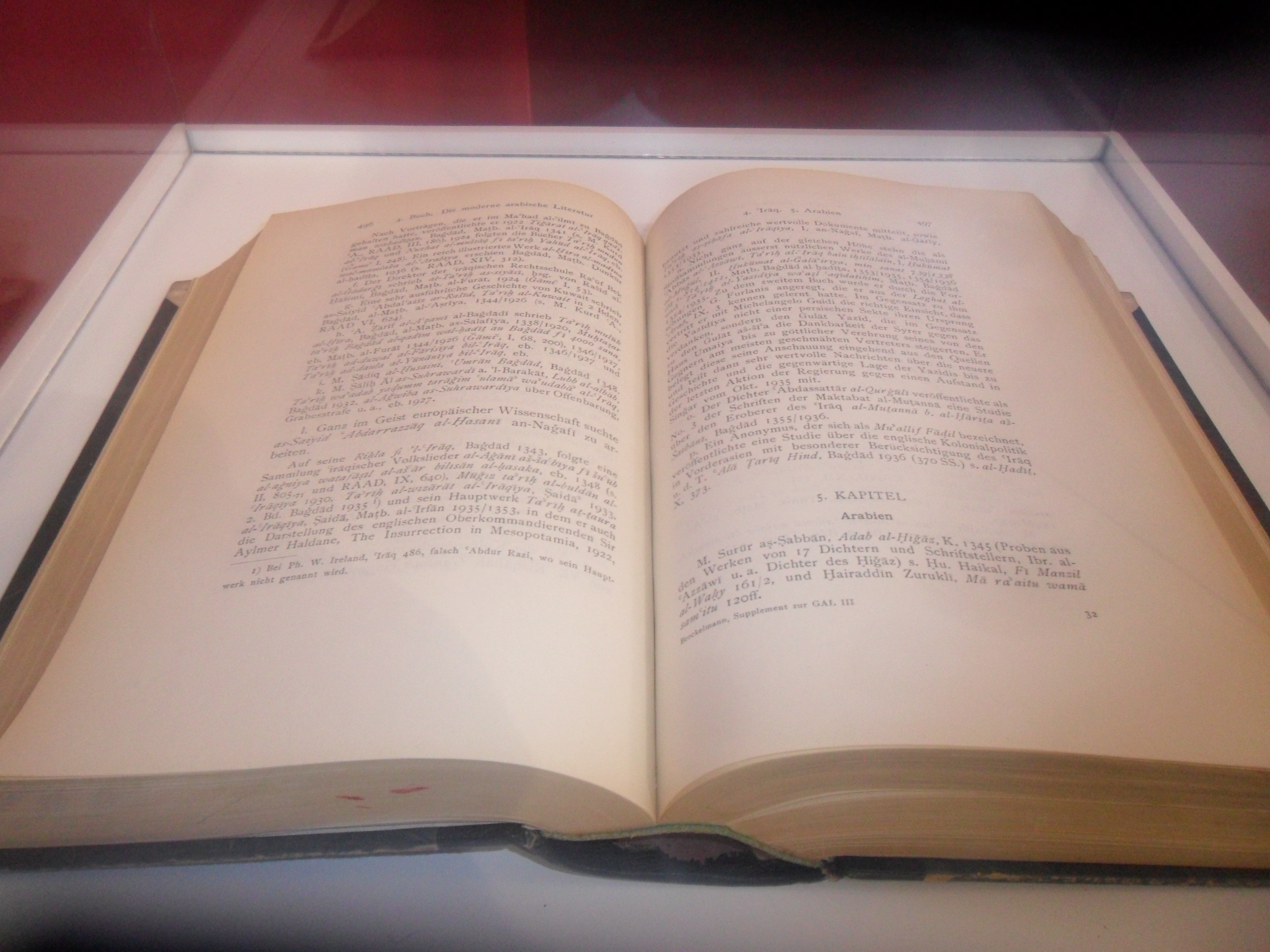
While no single individual can be credited with 'inventing' written tradition, certain figures and institutions have been pivotal. Johannes Gutenberg's printing press (c. 1440) stands as a monumental technological leap. Scholars like Carl Brockelmann, with his multi-volume Geschichte der arabischen Litteratur (1898-1902), and Fuad Sezgin, who significantly expanded upon Brockelmann's work, have dedicated their lives to cataloging and preserving specific traditions. Institutions such as the Library of Alexandria in antiquity, medieval monasteries, Islamic Houses of Wisdom, and modern national libraries like the Library of Congress have served as crucial repositories and centers for the transmission of written works. The ongoing work of organizations like the Internet Archive and the Digital Public Library of America highlights the continuous effort to safeguard and make accessible this vast heritage.
🌍 Global Perspectives
Written tradition is inherently global, with distinct and rich histories in every major civilization. Beyond the Latin-based and Cyrillic traditions of Europe and the Arabic script of the Middle East and North Africa, we find the enduring Brahmi-derived scripts of South Asia (including Devanagari for Sanskrit and Hindi), the Chinese writing system influencing East Asia, and unique scripts like Georgian and Armenian. Each tradition carries its own literary canons, philosophical inquiries, and historical narratives, contributing a unique thread to the global tapestry of human thought. The study of comparative literature and linguistics reveals both the shared human impulses behind writing and the diverse cultural expressions they have fostered.
🤔 Debates & Challenges
Significant debates surround written tradition, particularly concerning preservation, access, and authenticity in the digital age. The challenge of digital preservation—ensuring that digital texts remain accessible and uncorrupted over long periods—is immense, with concerns about format obsolescence and data degradation. Issues of intellectual property and copyright clash with the desire for open access to knowledge. Furthermore, the rise of AI-generated text raises questions about authorship, originality, and the very definition of 'human' written tradition. The potential for digital divides to exacerbate inequalities in ac
Key Facts
- Category
- history
- Type
- topic