
Contents
- 🤼♂️ What is WWF (WWE)?
- 🗓️ A Look Back: The History of the Grapple
- ⭐ The Spectacle: Beyond the Ring
- 💰 Ticket Prices & Viewing Options
- 📍 Where to Experience the Action
- 🤔 Is it Real? The Art of Sports Entertainment
- 🏆 Major Events & Championships
- 📈 The Vibe Score: Cultural Energy
- ⚖️ WWF vs. Other Promotions
- 💡 Pro Tips for First-Timers
- 📞 How to Get Involved
- Frequently Asked Questions
- Related Topics
Overview
World Wrestling Entertainment (WWE), formerly known as the World Wrestling Federation (WWF), is a global entertainment company that primarily produces and broadcasts professional wrestling shows. It's a unique blend of athletic competition, theatrical storytelling, and larger-than-life characters, making it a dominant force in the sports entertainment landscape. For fans, it offers a consistent stream of drama, athleticism, and spectacle, appealing to a wide demographic. Whether you're drawn to the high-flying acrobatics of Rey Mysterio or the intense rivalries of Roman Reigns, there's a narrative arc to follow. The company operates across multiple brands, including Raw, SmackDown, and NXT, each with its distinct roster and style.
🗓️ A Look Back: The History of the Grapple
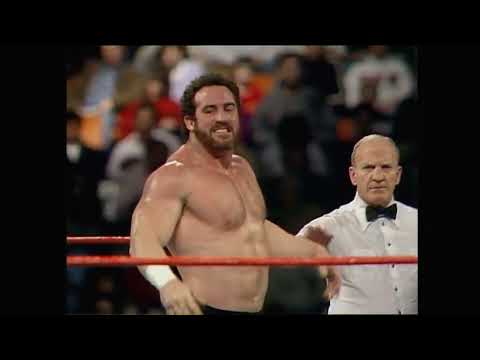
The roots of what is now WWE stretch back to 1952 with the Capitol Wrestling Corporation, founded by Jess McMahon and Toots Mondt. It officially became the World Wrestling Federation (WWF) in 1979 under Vince McMahon's leadership, undergoing a significant rebranding and expansion. The 'Golden Era' of the 1980s, fueled by icons like Hulk Hogan, saw WWF explode into mainstream pop culture. The late 1990s and early 2000s, known as the Attitude Era, pushed boundaries with edgier content and intense storylines, featuring stars like Stone Cold Steve Austin and The Rock. The company officially changed its name to World Wrestling Entertainment (WWE) in 2002, reflecting its broader entertainment ventures.
⭐ The Spectacle: Beyond the Ring
WWF's appeal extends far beyond the squared circle. The company is a media powerhouse, producing television shows, films, music, and a vast array of merchandise. Their flagship weekly programs, Raw and SmackDown, are broadcast globally, reaching millions of households. WWE also produces original content for its streaming service, the WWE Network, offering a deep archive of past events and exclusive documentaries. The elaborate stage productions, pyrotechnics, and music create an immersive experience that elevates the in-ring action into a true spectacle, akin to a live concert or Broadway show.
💰 Ticket Prices & Viewing Options
Experiencing WWF live can range in cost depending on the event and seating. General ticket prices for weekly TV tapings of Raw or SmackDown might start around $30-$50 for nosebleed seats, with premium ringside seats often exceeding $300-$500 for major events. Pay-per-view events like WrestleMania or SummerSlam command significantly higher prices, with top-tier tickets easily reaching $1000 or more. For those on a budget, watching via the WWE Network or through syndicated broadcasts on channels like USA Network and FOX offers a more accessible way to follow the action, with subscription costs for the Network being a fraction of a live event ticket.
📍 Where to Experience the Action
The primary way to experience WWF live is by attending one of their televised events, which are regularly held in major arenas across North America and occasionally internationally. Cities like New York City, Los Angeles, and Orlando frequently host shows. For those unable to attend in person, the WWE Network provides comprehensive live streaming of all major events and weekly shows, alongside an extensive on-demand library. Many local sports bars and viewing parties also gather to watch major pay-per-view events, offering a communal viewing experience.
🤔 Is it Real? The Art of Sports Entertainment
The question of 'realness' is central to the WWF experience. While the outcomes of matches are predetermined and the physical altercations are choreographed to appear more impactful than they are, the athleticism and risk involved are very real. Wrestlers train rigorously, endure significant physical punishment, and perform dangerous stunts. It's best understood as 'sports entertainment' – a performance art that combines athletic prowess with dramatic storytelling, much like professional theater or stunt work. The narratives, rivalries, and character development are designed to elicit genuine emotional responses from the audience, creating compelling drama.
🏆 Major Events & Championships
WWE boasts a rich history of iconic events and prestigious championships that fuel its narratives. WrestleMania, often dubbed 'The Grandest Stage of Them All,' is the company's premier annual event, drawing massive crowds and featuring championship matches that can define a wrestler's career. Other major annual events include SummerSlam, Survivor Series, and the Royal Rumble, each with unique match stipulations and historical significance. The Undisputed WWE Universal Championship, WWE Women's Championship, and Intercontinental Championship are among the most coveted titles, representing the pinnacle of achievement within the company.
📈 The Vibe Score: Cultural Energy
WWF (WWE) consistently scores high on the Vibe Score, typically ranging from 75-90. This reflects its enduring cultural relevance, massive global fanbase, and consistent production value. The Vibe Score is driven by the passionate engagement of its audience, the constant creation of new stars, and its ability to adapt to changing entertainment trends. While the 'controversy spectrum' surrounding the predetermined nature of its outcomes is always present, the sheer spectacle and emotional investment from fans solidify its high cultural energy. The brand's ability to generate buzz, both positive and negative, contributes to its dynamic Vibe Score.
⚖️ WWF vs. Other Promotions
Compared to other professional wrestling promotions like AEW or NJPW, WWE offers a more polished, globally recognized, and mainstream-oriented product. AEW often appeals to a more hardcore wrestling fanbase with its in-ring focus and less emphasis on elaborate storylines. NJPW is renowned for its hard-hitting, athletic style and strong tradition. WWE, however, excels at creating broad appeal through its character-driven narratives, extensive media empire, and massive production budgets, making it the most commercially successful wrestling promotion worldwide. Its 'sports entertainment' approach differentiates it significantly from promotions that lean more heavily into traditional 'sport' aspects.
💡 Pro Tips for First-Timers
For newcomers, the best approach is to start with the flagship shows, Raw or SmackDown, to get a feel for the current storylines and top stars. Don't get too bogged down in trying to understand every past event; the commentary team usually provides enough context. Embrace the theatricality – it's meant to be over-the-top and fun. If you're attending a live event, arrive early to soak in the atmosphere and check out the merchandise stands. Consider watching a major pay-per-view event like WrestleMania to witness the company at its peak, or explore the WWE Network for classic matches and documentaries to understand the rich history.
📞 How to Get Involved
To get started with WWF (WWE), the easiest entry point is subscribing to the WWE Network for access to live streams of weekly shows and major events, plus a vast archive. You can also follow their official website, WWE.com, for news, results, and schedules. For live event tickets, check authorized vendors like Ticketmaster or directly on the arena's website for upcoming shows in your area. Following WWE on social media platforms like Twitter and Instagram will keep you updated on storylines, wrestler activities, and behind-the-scenes content, immersing you further into the WWE universe.
Key Facts
- Year
- 1952
- Origin
- United States
- Category
- Sports & Entertainment
- Type
- Organization
Frequently Asked Questions
Is WWF still called WWF?
No, the company officially changed its name from World Wrestling Federation (WWF) to World Wrestling Entertainment (WWE) in 2002. While many fans still refer to it as WWF due to nostalgia, the current official name is WWE.
What is the difference between WWE and professional wrestling?
WWE is a specific company that produces professional wrestling. Professional wrestling is a broader genre of performance art that combines athletic skills with dramatic storytelling. WWE is the largest and most well-known promotion within the professional wrestling industry.
How can I watch WWE if I don't have the WWE Network?
Are WWE matches scripted?
Yes, WWE matches are scripted. The outcomes are predetermined, and the physical interactions are choreographed. However, the athleticism, risk of injury, and physical conditioning required from the performers are very real.
Who are the most famous wrestlers in WWE history?
Throughout its history, WWE has featured numerous iconic figures. Some of the most famous include Hulk Hogan, Stone Cold Steve Austin, The Rock, John Cena, The Undertaker, Ric Flair, and Bret Hart. Current stars like Roman Reigns and Cody Rhodes are also highly prominent.
What is the 'Attitude Era'?
The 'Attitude Era' refers to a period in WWF/WWE history, roughly from 1997 to 2002, characterized by edgier, more controversial storylines, mature themes, and a shift towards anti-heroes. It was a highly popular and influential period, featuring stars like Stone Cold Steve Austin, The Rock, and Triple H.