
Contents
Overview
Xenophobia, the fear or dislike of those perceived as foreign, and nationalism, the fervent devotion to one's nation, are deeply intertwined forces that have historically driven both immense collective action and devastating conflict. While nationalism can foster unity and self-determination, its darker side often manifests as xenophobia, creating an 'us versus them' mentality that demonizes out-groups and justifies discrimination, exclusion, and violence. This dynamic has played out across millennia, from ancient tribal rivalries to modern geopolitical tensions, impacting everything from immigration policies and trade wars to ethnic cleansing and genocide. Understanding their complex relationship is crucial for navigating the persistent challenges of prejudice and intergroup conflict in the 21st century.
🎵 Origins & History
The roots of xenophobia and nationalism stretch back to humanity's earliest social structures, where tribal identities and the fear of outsiders were essential for survival. Ancient Greek city-states, for instance, defined themselves in opposition to 'barbarians,' a term used for non-Greek speakers, fostering a sense of shared Hellenic identity and superiority. Similarly, the Roman Empire's concept of 'civitas' (citizenship) created a powerful in-group that often viewed non-citizens with suspicion. Johann Gottfried von Herder championed the idea of unique national spirits ('Volksgeist'), which, while intended to celebrate cultural diversity, could also be weaponized to define who belonged and who did not.
⚙️ How It Works
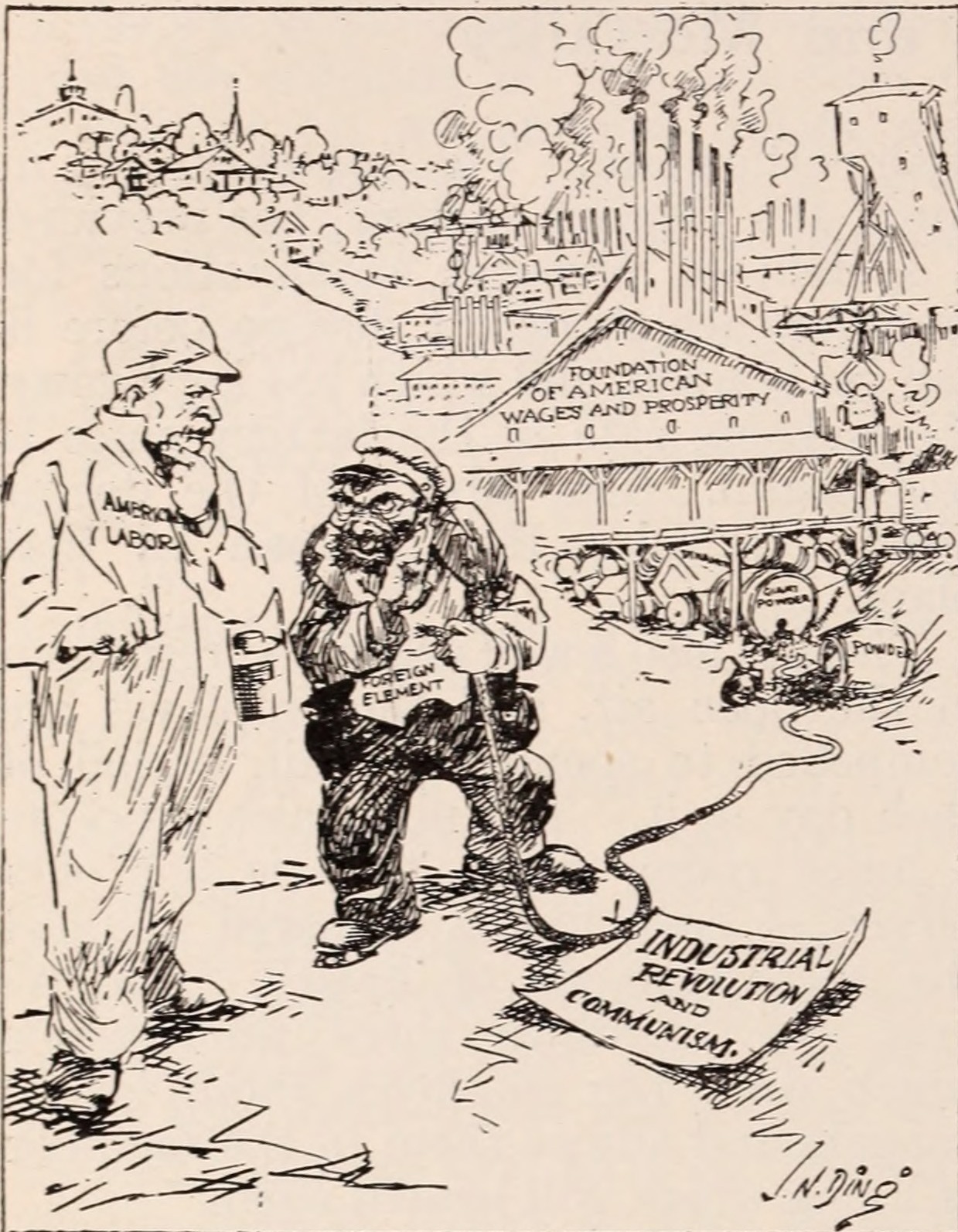
Nationalism operates by constructing a powerful sense of collective identity, often centered around shared language, culture, history, or perceived common destiny. This 'imagined community,' as Benedict Anderson termed it, creates strong in-group loyalty. Xenophobia then acts as the exclusionary mechanism, identifying and demonizing those outside this imagined community. This is often achieved through propaganda that portrays foreigners as threats to national purity, economic stability, or cultural values. For example, during the Cold War, anti-communist rhetoric in the West often painted Soviets and their allies as inherently alien and dangerous, while Soviet propaganda depicted capitalists as exploitative and decadent. This 'othering' process simplifies complex social issues by blaming an external or internal 'enemy,' making it easier to mobilize populations for political or military action.
📊 Key Facts & Numbers
The scale of xenophobia and nationalism is staggering. Studies by the Southern Poverty Law Center (SPLC) in the United States have documented a 20% increase in hate groups since 2019, many of them explicitly nationalist and xenophobic. Economically, trade wars and protectionist policies, often rooted in nationalist ideology, cost the global economy an estimated $1.5 trillion in 2022 according to the International Monetary Fund (IMF).
👥 Key People & Organizations
Key figures and organizations have profoundly shaped the discourse and practice of nationalism and xenophobia. Adolf Hitler and the Nazi Party remain the most infamous example of a regime that fused extreme nationalism with virulent xenophobia, leading to the Holocaust, the systematic genocide of approximately six million Jews and millions of others. In the post-war era, figures like Charles de Gaulle championed a strong French national identity, sometimes tinged with suspicion of external influences. More recently, leaders like Donald Trump in the US, Viktor Orbán in Hungary, and Narendra Modi in India have utilized nationalist rhetoric that often borders on or explicitly embraces xenophobia, impacting immigration policies and international relations. Organizations like the Ku Klux Klan (KKK) in the US and the Golden Dawn party in Greece represent extremist groups that explicitly promote nationalist and xenophobic ideologies.
🌍 Cultural Impact & Influence
The cultural impact of xenophobia and nationalism is pervasive. Literature, film, and art have long served as battlegrounds for these ideas. From patriotic war films that glorify national heroes and demonize enemies to novels that explore the anxieties of cultural assimilation or displacement, these themes resonate deeply. The rise of national anthems, flags, and national holidays are all cultural manifestations of nationalism designed to foster collective identity. Conversely, xenophobic narratives can lead to the marginalization and silencing of minority voices in media and culture. The global spread of certain cultural products, like Hollywood films or K-Pop, can also spark nationalist backlash in some regions, leading to debates about cultural imperialism versus cultural exchange. The very concept of 'national cuisine' or 'traditional dress' can become politicized, used to define national identity and exclude perceived foreign influences.
⚡ Current State & Latest Developments
In 2024, xenophobia and nationalism remain potent global forces. The ongoing War in Ukraine is a stark example of ethno-nationalist conflict, with Russia's invasion framed by nationalist narratives of historical unity and perceived Western encroachment. In Europe, far-right nationalist parties have seen significant electoral gains in countries like France, Germany, and the Netherlands, often campaigning on anti-immigration platforms that tap into xenophobic sentiments. The United States continues to grapple with divisions exacerbated by nationalist movements, particularly concerning border security and cultural identity. Online, platforms like Telegram and X are frequently used by extremist groups to disseminate nationalist propaganda and organize, often employing sophisticated disinformation campaigns. The World Economic Forum consistently identifies rising nationalism and geopolitical instability as major risks to the global economy and international cooperation.
🤔 Controversies & Debates
The relationship between nationalism and xenophobia is itself a site of intense debate. Critics argue that nationalism is inherently exclusionary and inevitably leads to xenophobia, making it an inherently dangerous ideology. They point to historical examples like Rwandan genocide and Bosnian War as proof of nationalism's genocidal potential. Conversely, proponents of civic nationalism argue that it can be a force for good, promoting unity, democracy, and self-determination without necessarily requiring hostility towards outsiders. They distinguish between 'good' nationalism, focused on shared civic values, and 'bad' ethno-nationalism, which relies on exclusion and prejudice. Skeptics question whether this distinction is truly sustainable in practice, arguing that the 'us vs. them' dynamic is difficult to contain once unleashed. The debate also extends to how to combat xenophobia: some advocate for stricter immigration controls justified by national interest, while others push for greater multiculturalism and international cooperation.
🔮 Future Outlook & Predictions
The future outlook for xenophobia and nationalism is complex and contested. Futurists predict that as globalization continues to connect people and economies, nationalist sentiments may surge in reaction, leading to increased protectionism and geopolitical fragmentation. The rise of artificial intelligence and sophisticated disinformation campaigns could further amplify xenophobic propaganda, making it harder to discern truth from fiction and easier to mobilize populations against perceived enemies. Conversely, some scholars believe that increasing global interconnectedness and shared challenges like climate change may eventually foster a more cosmopolitan, less nationalist worldview. The success of international cooperation on issues like pandemic response or environmental protection could serve as a counter-narrative to nationalist isolationism. However, the immediate future likely holds continued tension, with nationalist movements adapting their strategies to leverage new technologies and societal anxieties.
💡 Practical Applications
The principles of nationalism and xenophobia are not merely abstract concepts; they have tangible applications that shape policy and societal structures. Nationalist ideologies directly inform immigration policies, leading to measures like border walls, visa restrictions, and preferential treatme
Key Facts
- Category
- movements
- Type
- topic