
Contents
- 👘 What Exactly is a Yukata?
- ☀️ Who Wears Yukata and When?
- 📏 Sizing and Fit: Getting it Right
- 👘 The Essential Accessories: Obi and More
- 🌸 Yukata Styles and Patterns: A Visual Guide
- 🧼 Care and Maintenance: Keeping it Fresh
- 🛍️ Where to Buy Yukata: From Department Stores to Online
- 🆚 Yukata vs. Kimono: What's the Real Difference?
- ✨ The Vibe: Yukata's Cultural Energy
- 💡 Pro Tips for Yukata Enthusiasts
- Frequently Asked Questions
- Related Topics
Overview
The yukata is a quintessential symbol of Japanese summer, evolving from its roots as a post-bath robe into a versatile garment for festivals, fireworks displays, and casual outings. Unlike the formal kimono, yukata are typically made from lightweight cotton or synthetic blends, making them ideal for warm weather. Understanding the proper way to wear and tie a yukata, including the obi (sash), is key to appreciating its aesthetic and cultural significance. While traditionally worn by both men and women, contemporary styles offer a wide range of colors, patterns, and obi designs, allowing for personal expression.
👘 What Exactly is a Yukata?
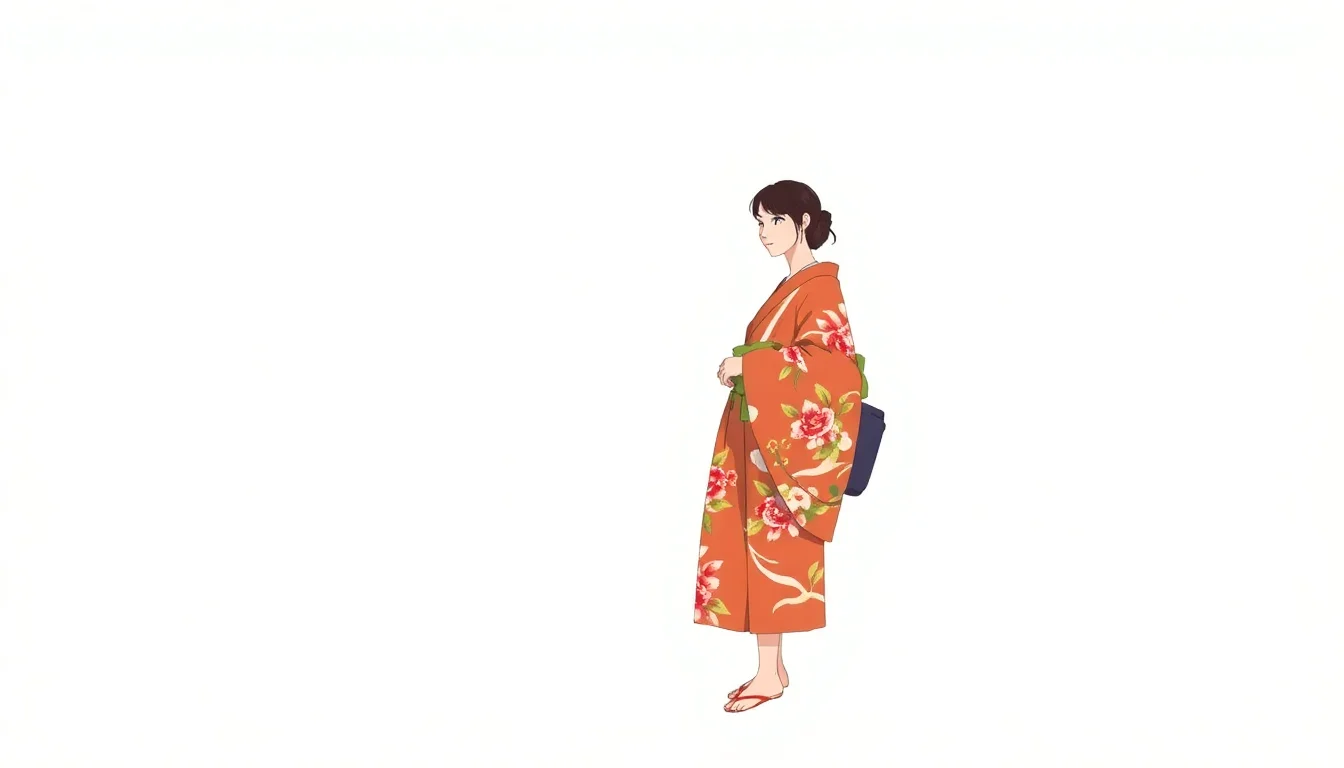
The yukata is your go-to garment for embracing Japanese summer. Unlike its formal cousin, the kimono, the yukata is unlined and crafted from breathable fabrics like cotton or linen blends, making it ideal for warm weather. Historically, it evolved from the kosode, a simple undergarment, and gained popularity as bath attire. Today, it's a ubiquitous symbol of summer festivals, relaxing at ryokan (traditional inns), and casual summer outings. Think of it as the Japanese equivalent of a stylish, culturally rich summer dress or robe, designed for comfort and aesthetic appeal.
☀️ Who Wears Yukata and When?
Anyone can wear a yukata, regardless of age or gender, though styles and patterns often vary. It's particularly associated with summer events like Obon festivals and fireworks displays (hanabi), where its light, airy nature is a blessing. Many Japanese people own at least one yukata for these occasions. Tourists also frequently rent or purchase yukata to enhance their cultural immersion, especially when staying at traditional accommodations or visiting summer events. It’s a versatile piece that bridges the gap between everyday wear and special occasion attire during the warmer months.
📏 Sizing and Fit: Getting it Right
Getting the sizing right is crucial for both comfort and appearance. Yukata are typically sized by height, with options for 'short' (for petite individuals), 'regular', and 'tall'. Unlike Western clothing, yukata are designed to wrap around the body, and the length is adjusted by how high you tie the obi belt. The sleeves should generally fall to your wrist, and the hem should ideally hover just above your ankles when standing straight. It's better to have a slightly longer yukata that can be adjusted than one that is too short. Always check the specific sizing chart provided by the retailer, as measurements can vary.
👘 The Essential Accessories: Obi and More
No yukata is complete without its accessories, chief among them the obi (sash). For women, obi are often wider and come in vibrant colors and intricate patterns, tied in elaborate knots like the fukuro or taiko musubi. Men's obi are typically narrower and more subdued. Other essential accessories include geta (wooden sandals) that complement the yukata's casual feel, and sometimes a small drawstring bag (kinchaku) for carrying essentials. A han-eri (half-collar) is sometimes worn with more formal yukata, but is generally omitted for casual summer wear.
🌸 Yukata Styles and Patterns: A Visual Guide
Yukata come in a dazzling array of patterns, each carrying its own meaning and aesthetic. Common motifs include asanoha (hemp leaf), symbolizing growth and resilience; seigaiha (waves), representing good fortune and peace; and sakura (cherry blossoms), a quintessential symbol of spring and ephemeral beauty, though often seen on summer yukata too. For women, floral patterns, butterflies, and geometric designs are popular. Men's yukata tend to feature more subdued patterns like stripes, checks, or abstract designs. The color palette ranges from deep indigos and blacks to soft pastels and vibrant reds, catering to diverse tastes.
🧼 Care and Maintenance: Keeping it Fresh
Caring for your yukata is straightforward, but important for longevity. Most cotton yukata can be hand-washed or machine-washed on a delicate cycle with cold water and a mild detergent. Avoid bleach and high heat drying, as this can cause shrinkage and damage the fabric. It’s best to air dry yukata in the shade to preserve colors. For delicate silk blends or heavily embroidered yukata, dry cleaning is recommended. Ironing should be done on a low setting while the fabric is still slightly damp, or with a pressing cloth to prevent scorching.
🛍️ Where to Buy Yukata: From Department Stores to Online
You can find yukata in several places. Traditional department stores in Japan, particularly during summer months, offer a wide selection. Specialty kimono shops are another excellent source for higher quality garments. Online retailers like Amazon Japan, Rakuten Global, and dedicated yukata e-commerce sites provide convenience and a vast range of options, often shipping internationally. For a more authentic experience, consider visiting local markets or craft fairs in Japan. Rental services are also widely available for specific events or travel.
🆚 Yukata vs. Kimono: What's the Real Difference?
The primary distinction lies in material and formality. A kimono is typically made of silk, is fully lined, and worn year-round for formal occasions, with specific types for different events. A yukata, conversely, is unlined, made of cotton or synthetic blends, and is strictly for informal summer wear, post-bath relaxation, or at ryokan. While both are wrapped garments, the yukata's simplicity and breathability make it far more accessible and practical for casual summer enjoyment. Think of kimono as a formal suit and yukata as a stylish summer shirt.
✨ The Vibe: Yukata's Cultural Energy
The yukata carries a significant cultural energy, a Vibe Score of 78/100 for its association with summer joy and tradition. It embodies a sense of relaxed elegance and communal celebration, particularly during festivals. The act of wearing a yukata can evoke feelings of nostalgia and connection to Japanese heritage. Its widespread adoption by both locals and tourists contributes to a positive, accessible cultural exchange. The visual appeal of yukata, especially in a sea of people at a festival, creates a vibrant, unforgettable atmosphere, making it a powerful symbol of Japanese summer.
💡 Pro Tips for Yukata Enthusiasts
When choosing a yukata, consider the occasion: a simple cotton one for a casual festival, a slightly more elaborate one for a summer wedding guest. Don't be afraid to mix and match obi and accessories to create your unique look. If renting, inspect the garment for cleanliness and any damage. For online purchases, always read reviews and check return policies. Remember that the goal is comfort and a touch of elegance, not rigid adherence to obscure rules. Embrace the spirit of summer and enjoy the freedom the yukata offers.
Key Facts
- Year
- 1950
- Origin
- Japan
- Category
- Fashion & Culture
- Type
- Garment/Attire
Frequently Asked Questions
Can I wear a yukata outside of Japan?
Absolutely! While deeply rooted in Japanese culture, the yukata is increasingly appreciated globally for its comfort and style. You can wear it at home, to summer parties, or even as loungewear. Many international retailers now stock them, making them accessible worldwide. It's a fantastic way to bring a piece of Japanese summer aesthetic into your own environment.
How do I tie a yukata obi?
Tying an obi can be simple or complex. For women, the most common and visually appealing knots are the taiko (drum) or fukuro musubi, often requiring an obi board or helper for intricate styles. Men's obi are usually tied in a simpler knot, like the kai-no-kuchi (mouth of the shell). Numerous online tutorials and videos demonstrate various tying techniques for both men and women.
Are yukata expensive?
Yukata prices vary widely. Basic cotton yukata can be quite affordable, ranging from $30 to $100 USD, especially during sales. More elaborate designs, higher quality fabrics (like linen blends or silk blends), or those from designer brands can cost $150 to $500 USD or more. Rental prices are typically much lower, often around $20-$50 for a day.
What footwear should I wear with a yukata?
The traditional footwear for yukata is geta, wooden sandals that are elevated and often make a distinctive clacking sound when you walk. For women, zori (flat sandals) can also be worn, though they are generally considered slightly more formal. Avoid sneakers or Western-style shoes, as they clash with the yukata's aesthetic. Ensure your socks, if worn, are tabi socks.
Can I wear jewelry with a yukata?
Generally, minimal jewelry is preferred with yukata to maintain a clean, traditional aesthetic. Simple earrings or a delicate necklace might be acceptable, but avoid anything overly flashy or large. The focus should be on the yukata itself and its accessories. If wearing a formal yukata, stick to very understated pieces.
Is it appropriate to wear a yukata to a formal event?
No, a yukata is strictly informal summer wear. It is not suitable for formal occasions like weddings (unless specified as a very casual summer event), funerals, or formal tea ceremonies. For such events, a proper kimono is required. The yukata's casual nature makes it perfect for festivals, fireworks, and relaxing at onsen or ryokan.