
Contents
Overview
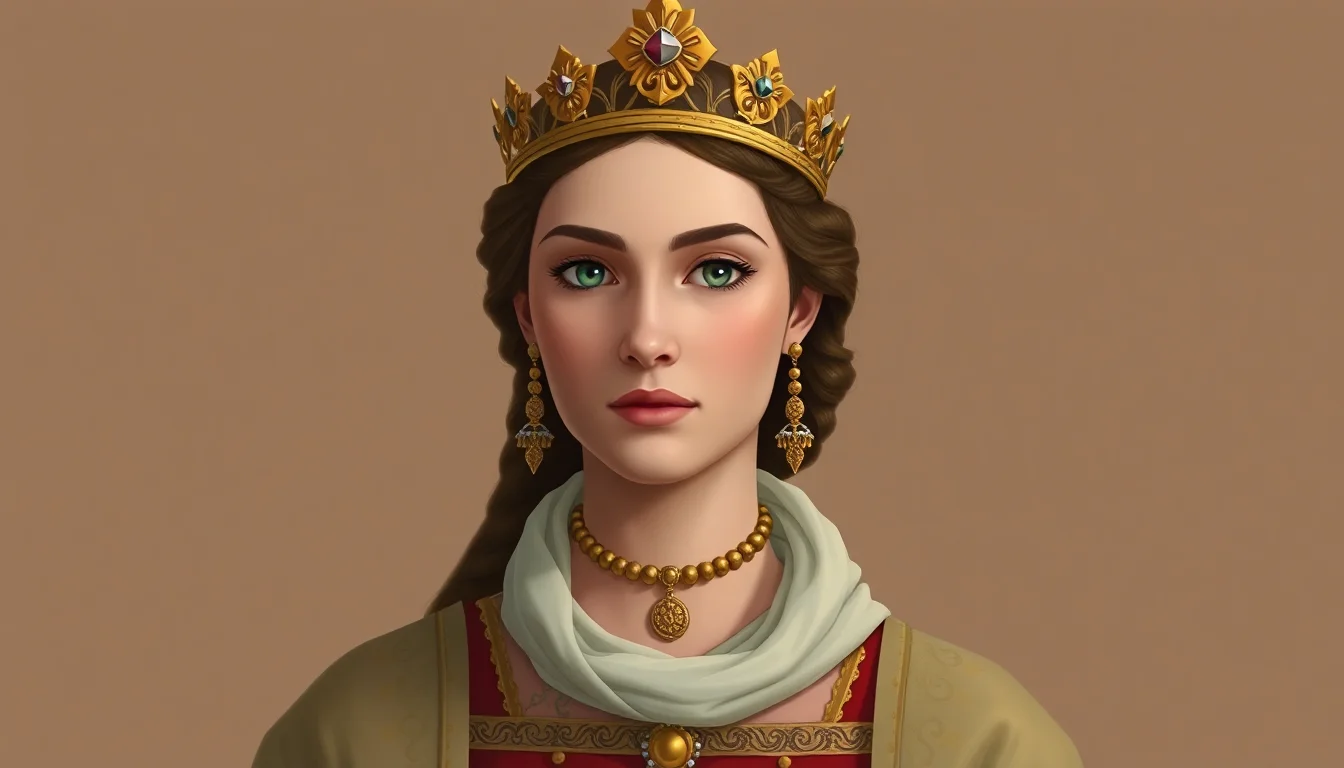
Tamar was born around 1160 into the Bagrationi dynasty, a royal family that had ruled Georgia for centuries, as the only child of King George III and Queen Burdukhan. In 1177, Georgia was ravaged by civil war as rebellious nobles threatened to destabilize the kingdom. Recognizing the precarious succession, King George III crowned his young daughter Tamar as co-ruler in 1178 when she was barely eighteen years old, giving her direct hands-on experience in governance and royal administration. This strategic move was designed to preempt any disputes over succession and legitimize his line on the throne. When King George III died in spring 1184, Tamar became the sole monarch of Georgia at age twenty-four, inheriting a relatively strong but internally fractious kingdom plagued by centrifugal tendencies among the great nobles.
⚔️ Military Conquests & Expansion
Under Tamar's leadership, Georgia achieved its greatest military expansion and became the most powerful nation in the Caucasus region. She led numerous successful military campaigns against the formidable Rum Sultan and the Seljuk Turks, who had long threatened Georgian territories from the west and south. Tamar defeated two major rebellions led by her ex-husband and, working alongside her capable military commander Davit, 'liberated' Armenia and established the Trebizond Empire as a Georgian protectorate—the only period in Georgian history when the nation functioned as an empire. These victories earned her the title 'King of Kings and Queen of Queens of Abkhaz, Georgians, Rans, Kakhs and Armenians' from her contemporaries. Georgia under Tamar expanded to its greatest territorial extent, governing more land than at any other point in its history, and her military achievements were celebrated throughout the Christian world, particularly the decisive victory at Basiani.
⚖️ Reforms & Governance
Tamar's reign marked a dramatic departure from the harsh governance of her predecessors, establishing her as a reformer as well as a warrior. She abolished her father's severe criminal penalties, banned torture, and eliminated the death penalty, refusing to employ punishments like whipping, blinding, and castration that had characterized earlier Georgian rule. Tamar approved remarriages, continued Georgia's longstanding tradition of religious tolerance, and worked tirelessly to strengthen the Georgian Orthodox Church and promote education and culture. Her governance was characterized by a blend of daytime royal administration and nighttime religious devotion—she was known to spend evenings on her knees in prayer, seeking divine strength for the Georgian Church, while also engaging in needlework that she distributed to the poor. This combination of military acumen, judicial mercy, and spiritual commitment elevated her to an unparalleled position in Georgia's pantheon of heroes, surpassing even celebrated male medieval rulers.
✨ Legacy & Cultural Impact
Tamar's reign ushered in what is widely regarded as Georgia's Golden Age, a period of unprecedented cultural, artistic, and intellectual flourishing that defined the nation's identity as a unique blend of East and West. Her achievements inspired the most significant poetic work in Georgian history and influenced Georgian culture for centuries to come. However, her legacy carries poignant significance as she marked the end of the great Bagrationi rulers; within two decades of her death on January 18, 1213, the Mongol invasions devastated the administrative and military systems that had enabled such expansion. While subsequent Georgian rulers like Giorgi the Brilliant achieved national revivals, none could replicate the remarkable combination of military conquest, judicial reform, cultural achievement, and spiritual devotion that defined Tamar's era. She was canonized as a saint by the Georgian Orthodox Church and remains one of the most celebrated figures in medieval history, celebrated annually on May 14th as Saint King Tamar.
Key Facts
- Year
- 1184-1213
- Origin
- Georgia (Caucasus region)
- Category
- history
- Type
- person
Frequently Asked Questions
Why was Tamar called 'King' instead of 'Queen'?
In the Georgian language, there was no significant linguistic distinction between the masculine and feminine forms of the word for monarch at the time. Tamar was referred to as 'King' because her father had no male heir, and she ruled as a full sovereign monarch rather than as a consort. This practice was not uncommon in medieval history—other female rulers like Hatshepsut, Wu Zetian, and Jadwiga of Poland also took masculine titles.
What were Tamar's major military achievements?
Tamar led successful campaigns against the Rum Sultan and the Seljuk Turks, defeated two rebellions led by her ex-husband, 'liberated' Armenia, and established the Trebizond Empire as a Georgian protectorate. Under her rule, Georgia expanded to its greatest territorial extent and became the most powerful nation in the Caucasus region. Her victories were celebrated throughout the Christian world, particularly the decisive battle at Basiani.
How did Tamar reform Georgia's justice system?
Tamar abolished her father's severe criminal penalties, banned torture and the death penalty, and refused to use punishments like whipping, blinding, and castration. She also approved remarriages and continued Georgia's tradition of religious tolerance. Her reign was characterized by mercy and compassion, marking a dramatic departure from the harsh governance of her predecessors.
What is the Georgian Golden Age?
The Georgian Golden Age refers to Tamar's reign (1184-1213), a period of unprecedented cultural, artistic, and intellectual flourishing in Georgia. During this time, the nation experienced maximum territorial expansion, military success, judicial reform, and cultural achievement. Her reign inspired the most significant poetic work in Georgian history and defined Georgia's unique identity as a blend of East and West.
Why did Georgia decline after Tamar's death?
Within two decades of Tamar's death in 1213, the Mongol invasions devastated the administrative and military systems that had enabled Georgia's expansion and prosperity. While subsequent Georgian rulers achieved national revivals, none could replicate the remarkable combination of military conquest, judicial reform, cultural achievement, and spiritual devotion that defined Tamar's era. Her reign marked the end of the great Bagrationi rulers' dominance.
References
- readelysian.com — /inspiring-women-in-history-middle-ages-queen-tamar-of-georgia/
- thenewhistoria.org — /editorial/queen-tamar/
- davidpublisher.com — /Public/uploads/Contribute/63180e94b18e1.pdf
- georgianchurch.ca — /14th-of-may-saint-tamar-queen-of-georgia/
- teamqueens.org — /2021/04/22/tamar-the-great-a-biography/
- en.wikipedia.org — /wiki/Tamar_I
- youtube.com — /watch
- rejectedprincesses.com — /princesses/tamar-of-georgia